Rugby World Cup Betting Sites: Outright Odds, Group Markets and Early-Value Strategies
 Available in US
The Rugby World Cup is the only event in the sport where I clear my entire diary. Not because I’m watching every match live – though I usually am – but because the tournament creates pricing conditions that don’t exist anywhere else in rugby betting. The global turnover on rugby betting exceeded 600 million euros in 2023, and a disproportionate chunk of that concentrates into World Cup years, when casual money floods in and bookmakers widen their market offering to capture it. For anyone who tracks odds professionally, a World Cup is a four-week window where the homework you’ve done over the previous three years either pays off or doesn’t.
The next edition is still on the horizon, but the outright markets are already open at several operators, and the early-value window is exactly the period when preparation matters most.
Best Bookmakers for Rugby World Cup Betting
I’ve bet through three Rugby World Cups with serious intent, and each one taught me something different about which operators handle the tournament well. The 2023 edition in France was the first where I tracked market depth systematically across eight UKGC-licensed bookmakers, recording the number of pre-match markets per pool match and per knockout fixture. The range was staggering – the most comprehensive operator offered over 100 markets on a quarter-final, while the thinnest had 22 on the same match.
What separates the best World Cup bookmakers from the rest isn’t just market count – it’s market quality. Outright betting on the tournament winner is standard everywhere, but the operators worth your attention also price group winner markets, top tournament tryscorer, total tournament tries, winning margin in the final, and specials like “will there be a pool-stage elimination of a Tier 1 nation”. These niche markets carry wider margins than the headline match odds, but they also carry more inefficiency, because the bookmakers have less historical data to lean on and less public money to help them calibrate.
The UK betting market is projected to grow by 4.24 billion dollars between 2026 and 2030, and World Cup years consistently outperform the baseline. Operators invest in their rugby product ahead of a World Cup in a way they simply don’t for a standard autumn international window. That investment translates into better live coverage, faster odds updates, and more generous promotional spend – all of which benefit the prepared bettor.
Outright, Group Winner and Top Tryscorer Markets Explained
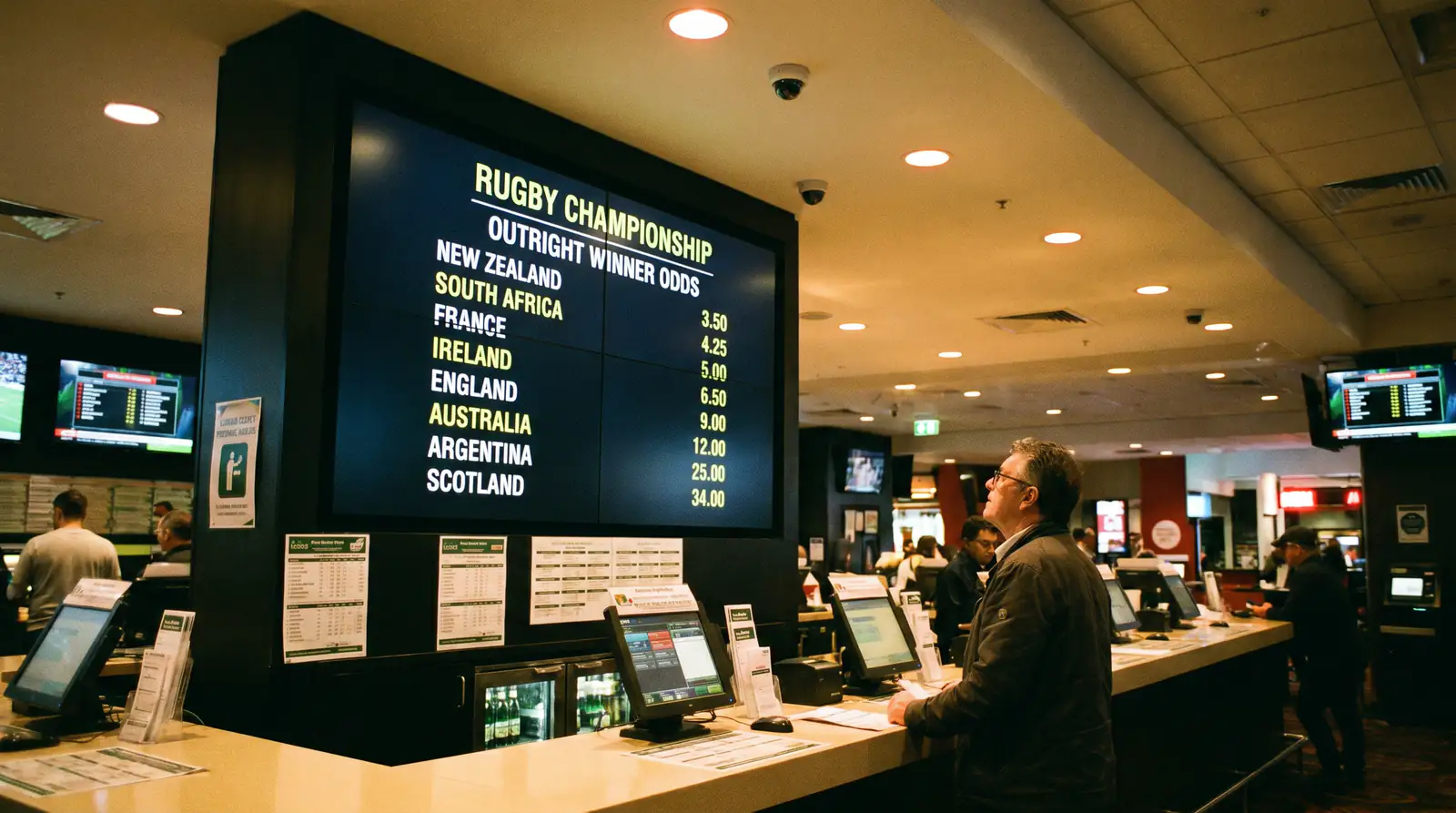
Outright markets are the backbone of World Cup betting, and they’re also the most misunderstood. The tournament winner market opens years before kick-off, and the prices you see 18 months out reflect a combination of current form, historical pedigree, and – frankly – public perception bias. New Zealand and South Africa are always priced shorter than their actual win probability warrants, because the casual money gravitates toward familiar names. That leaves value further down the card, particularly on teams in the 8.00 to 15.00 range who have a realistic route to the semi-finals.
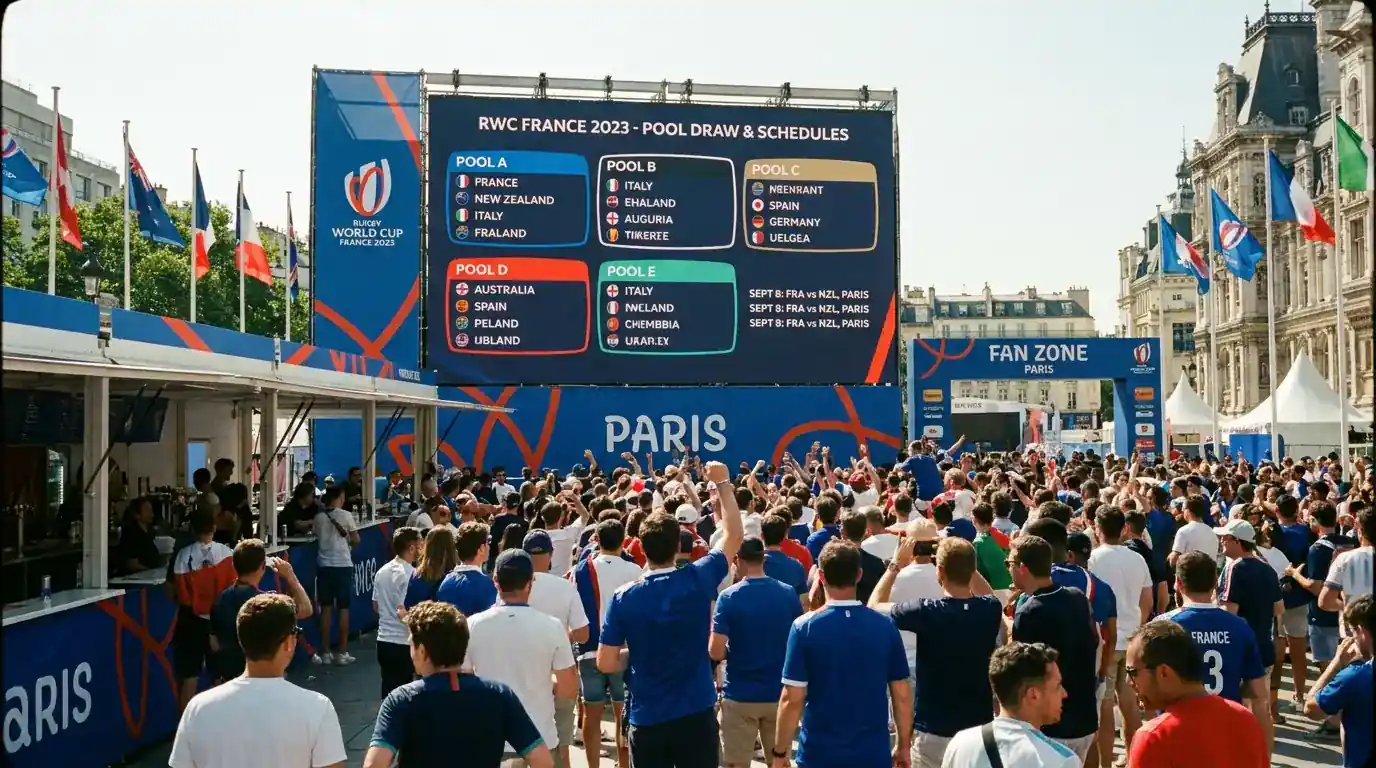
Group winner markets are where I’ve found the most consistent value in past tournaments. The pools are drawn well in advance, and once the pool composition is known, you can model group-stage outcomes with reasonable confidence. The key variable is head-to-head form between the top two seeds in each pool – if one has a clear recent advantage, the group winner market tends to underprice the favourite because it’s buried beneath the headline outright market.

Top tryscorer is a lottery in most sports, but rugby offers structural edges. Wingers and outside centres score the majority of tries in international rugby, and their scoring rates are more stable across tournaments than you might expect. I keep a database of tries-per-match rates for every international winger over the past four years, and the top performers consistently hover between 0.4 and 0.6 tries per match. When a bookmaker prices a prolific winger at odds that imply a rate below his four-year average, that’s a bet I’ll take every time. The ante-post timing on these markets matters enormously – the earlier you get on, the wider the margins but also the more mispricing you can exploit.
Ante-Post Value: When to Place Your World Cup Wagers
Timing is everything in World Cup betting, and I mean that literally. The odds available 12 months before kick-off bear almost no resemblance to the odds available the week before the opening match. I’ve tracked the price movement on the eventual World Cup winner across the last three tournaments, and in each case, the winner’s odds shortened by an average of 35% between the 12-month mark and the tournament opener. If you had conviction early, you left significant value on the table by waiting.

The counter-argument is risk. Ante-post bets on rugby are typically non-refundable if a key player gets injured – unlike some football markets where “non-runner, money back” is standard. That’s a real consideration. My approach is to split my World Cup allocation into three tranches: 40% at the 12-month mark on outright and group winner markets, 30% after the autumn internationals when squad form is clearer, and the remaining 30% during the tournament itself when the match-level data is live and the in-play opportunities emerge.
The 12-month window is also when promotional offerings start to appear. Operators launch early-bird promotions – enhanced outright odds, free bet bundles tied to the tournament, and acca insurance on group-stage multiples – to capture customer accounts ahead of the competition. These promotions are rarely as generous as they appear at face value, but if you’re placing the bets anyway, the marginal value adds up. What I avoid is letting a promotion dictate my betting decisions. The offer should complement a position I’d take regardless, not create one.
World Cup years reward patience and preparation in equal measure. The operators who invest in deep tournament coverage are identifiable well in advance, and the value windows in outright and group markets are predictable if you track the price cycles. Start early, spread your risk, and treat the tournament as a campaign, not a single weekend punt.
How far in advance can I bet on the Rugby World Cup?
Most major UKGC-licensed bookmakers open outright winner markets 12 to 18 months before the tournament. Group winner and top tryscorer markets typically appear closer to six months out. The earliest prices carry the most risk from injuries and squad changes but also the most potential value.
Are Rugby World Cup betting markets deeper than regular Test match markets?
Substantially. A World Cup quarter-final can attract over 100 pre-match markets at the most comprehensive operators, compared to 30 to 50 for a standard autumn international. The tournament also brings additional outright and group-stage markets that have no equivalent in the regular international calendar.
Created by the ”Rugby Betting Sites” editorial team.