Premiership Rugby Betting: How the Franchise Model, Record Crowds and TV Growth Affect Your Wagers
 Available in US

I spent a decade building my Premiership betting models around one assumption: that relegation pressure would distort late-season odds in predictable ways. A team fighting the drop plays differently – they take fewer risks, they kick more penalties, they grind out low-scoring matches that consistently pushed total points unders into value territory. That assumption is now obsolete. The Premiership is switching to a franchise model from the 2026/27 season, and the ripple effects on betting markets are more significant than most punters have considered.
This isn’t just a structural footnote. It rewires how bookmakers price outright markets, how match odds behave in the final third of the season, and which data points actually matter when you’re trying to find an edge. If you bet on English domestic rugby, you need to understand what’s changing and why.
What the 2026/27 Franchise Switch Means for Outright and Relegation Markets
The most immediate casualty is the relegation market itself. For years, I treated bottom-of-table betting as a separate profit centre – the odds on the wooden spoon were consistently mispriced because bookmakers weighted recent form too heavily and underweighted squad depth and financial stability. That market will either disappear entirely or transform into something structurally different once automatic promotion and relegation ends.
James Haskell put it bluntly in the 2025 Rugby Finance Report: a franchise system could reset Premiership rugby, forcing every club to reassess its business model from the ground up. He’s right, and the betting implications follow directly. Without the threat of dropping out of the top flight, the financial calculus for club owners changes. Squads might be managed more aggressively – resting players for European fixtures becomes a rational choice when there’s no relegation trapdoor waiting. That kind of rotation will make team news even more critical for match-day pricing than it already is.
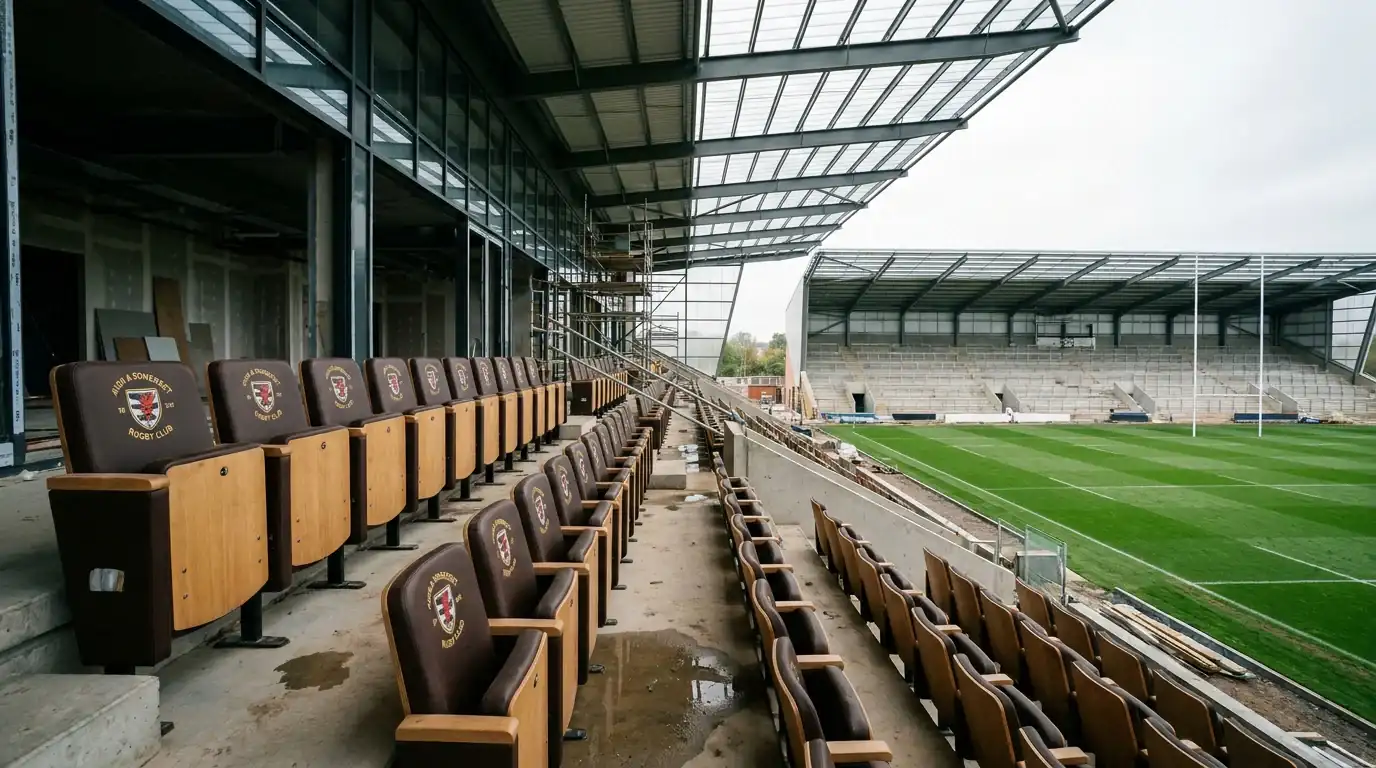
Outright title markets will also shift. The Premiership has had five different winners in five seasons – a level of competitive balance that Alex Cadwallader at Leonard Curtis described as rare in professional sport. Under a franchise model, I expect that balance to narrow over time as the financial gap between well-run and poorly-run clubs widens without the equalising threat of relegation. Early-season title odds may start to resemble Premier League football pricing: a clear tier of two or three favourites, a middle tier, and a long tail. That’s actually easier to model than the current setup, so there’s opportunity there for anyone willing to do the work.
342.5 Million in Debt: The Financial Picture Bettors Should Understand
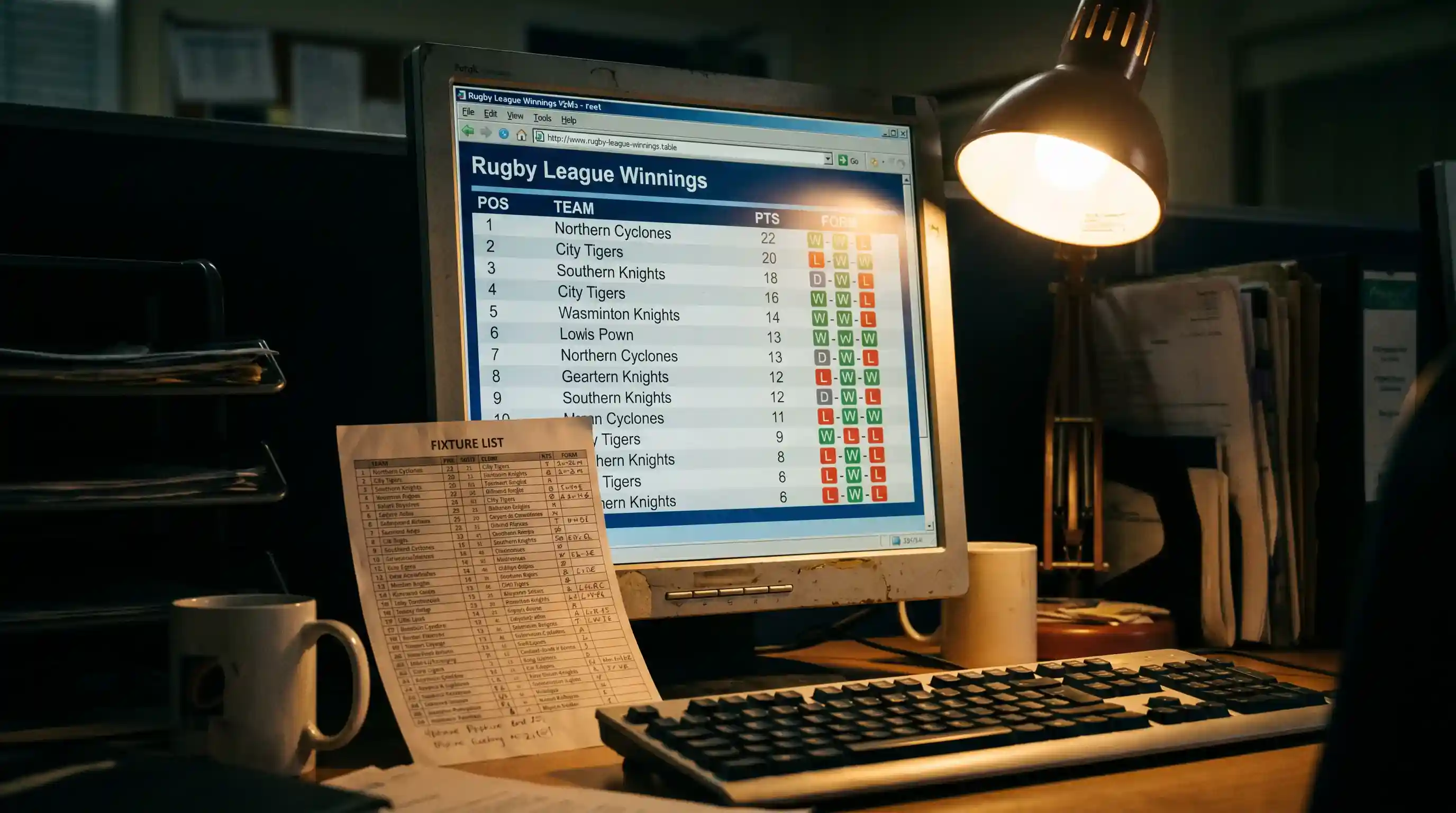
Here’s a number that should stop every Premiership bettor in their tracks: the combined debt across all Premiership clubs stood at 342.5 million pounds as of the 2023/24 financial year. Not a single club turned a profit for the third consecutive season, and six of the ten were technically balance-sheet insolvent – surviving only because their owners kept writing cheques.
Why does this matter for betting? Because financial distress correlates with squad instability, and squad instability is the single strongest predictor of mid-season form collapse that I’ve identified across a decade of tracking. When a club can’t pay its wage bill without owner subsidy, it can’t retain players at contract renewal time. When key players leave mid-season or in the summer, the replacement quality drops. When the replacement quality drops, the on-field output degrades in ways that historical performance data doesn’t capture until it’s too late.

The cumulative losses across Premiership clubs over the ten years from 2014/15 to 2023/24 totalled 176.9 million pounds. That’s not a blip – it’s a structural feature of the league’s economics. For bettors, the actionable takeaway is straightforward: before you back any Premiership club at outright odds, check their latest accounts. The clubs with the most sustainable financial models – not the biggest budgets, but the most sustainable ones – are the ones whose form you can trust to hold across a full season. Those backed purely by wealthy owners with uncertain commitment are the ones most likely to implode mid-campaign, creating both risk and opportunity in the betting markets.

Record Attendance and TNT Sports Viewership as Betting Catalysts
The financial picture is bleak, but the audience picture tells the opposite story, and that paradox matters for how bookmakers treat the league. Premiership Rugby locked in a five-year extension with TNT Sports worth approximately 200 million pounds. The total viewership across the first 13 rounds of the current season grew by 11% year-on-year and sits 24% above the 2022/23 baseline. Average stadium occupancy hit a record 93% during Round 8 in December 2025.
I track these numbers because they directly influence betting market depth. When viewership grows, the bookmakers invest more in their Premiership product – deeper in-play markets, more player props, faster odds updates. The 11% viewership jump translated into a measurable increase in the number of live betting markets available per match this season. Two years ago, a Friday night Premiership fixture might have eight to ten in-play markets. Now I’m regularly seeing 15 to 20, including live alternative handicap lines that update in near real-time.

The attendance record matters too, because it signals growing public engagement that feeds into the commercial relationships between bookmakers and rugby. Higher attendance means more eyeballs on perimeter advertising, which means sponsors – including betting brands – get more value from their partnerships, which means they invest more in rugby-specific promotions and market coverage. It’s a virtuous cycle for the bettor, even if the underlying club finances remain precarious.
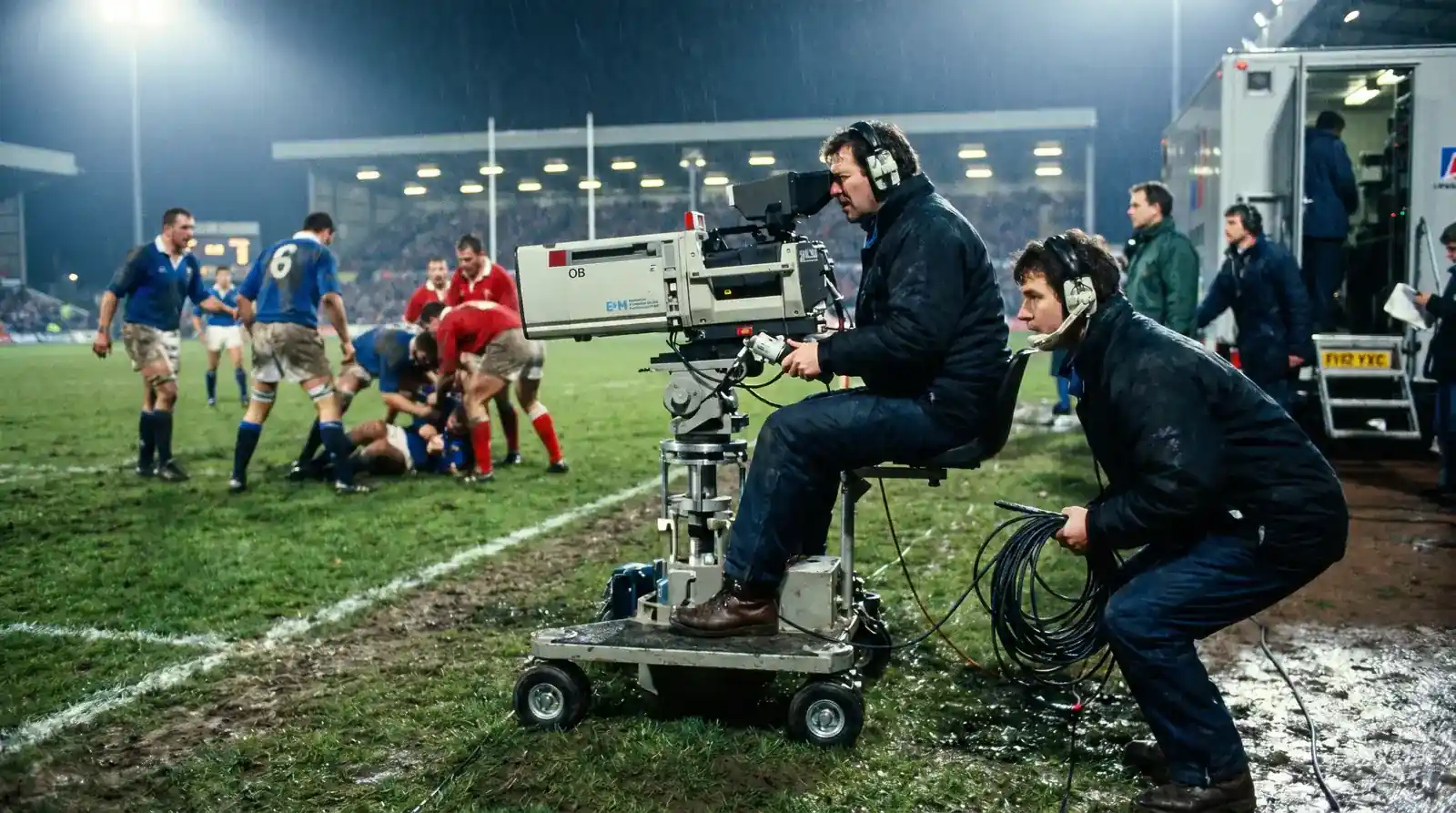
What I’m watching for in the 2026/27 season is whether the franchise transition disrupts this momentum. If the removal of relegation reduces late-season jeopardy and casual fan interest dips, the bookmakers may pull back on market depth. If, on the other hand, the franchise model stabilises the league and allows clubs to invest in entertainment value, the betting product could improve further. Either way, the Premiership is entering a period of structural change that hasn’t been priced into the market yet – and that’s precisely the kind of environment where informed bettors find edges.
Will Premiership relegation betting markets disappear under the franchise model?
Almost certainly in their current form. Once automatic promotion and relegation is removed from the 2026/27 season, the traditional relegation market loses its basis. Bookmakers may replace it with alternative markets around league position or bottom-placed finishers, but the dynamics that made relegation betting profitable – desperation, conservative tactics, predictable scoring patterns – will largely vanish.
How does club financial instability affect Premiership rugby odds?
Financial distress correlates strongly with squad instability, which is the biggest driver of mid-season form collapse. Clubs reliant on owner subsidies often lose key players at contract renewal time, leading to performance drops that historical data fails to predict. Checking a club’s latest financial accounts before backing them at outright odds is a practical step most bettors skip.
Prepared by the Rugby Betting Sites editorial staff.