Rugby Cash-Out Betting: When to Lock In Profit, Cut Losses and Leave the Bet Running
 Available in US

There’s a screenshot saved on my phone from March 2022 that I look at whenever I’m tempted to hold a bet too long. It shows a cash-out offer of 410 pounds on a Six Nations accumulator that eventually paid nothing. Two legs had landed, the third was comfortably on track with 15 minutes to play, and I got greedy. The trailing team scored two converted tries in the final 10 minutes, my bet collapsed, and I was left with a screenshot of money I’d refused to take. Cash out exists precisely for moments like that, and learning when to use it – and when to ignore it – is one of the more nuanced skills in rugby betting.
Full, Partial and Auto Cash Out: How Each Option Functions
Full cash out settles your bet immediately at the current offer price, ending your interest in the outcome. You receive the cash-out value in your account, and the original bet is closed. The offer fluctuates in real time based on the live probability of your bet winning – if your selection is ahead, the cash-out value will be positive (profit); if it’s behind, the value will be below your original stake (a loss, but a smaller one than waiting for the bet to settle as a loser).
Partial cash out lets you settle a portion of your bet while leaving the rest running. If the full cash-out offer is 200 pounds, you might cash out 120 pounds and leave 80 pounds riding on the original bet. This hybrid approach locks in some profit while maintaining exposure to the full payout if all selections win. I use partial cash out more than any other variant, because it satisfies the risk-management impulse without completely abandoning a well-constructed position.
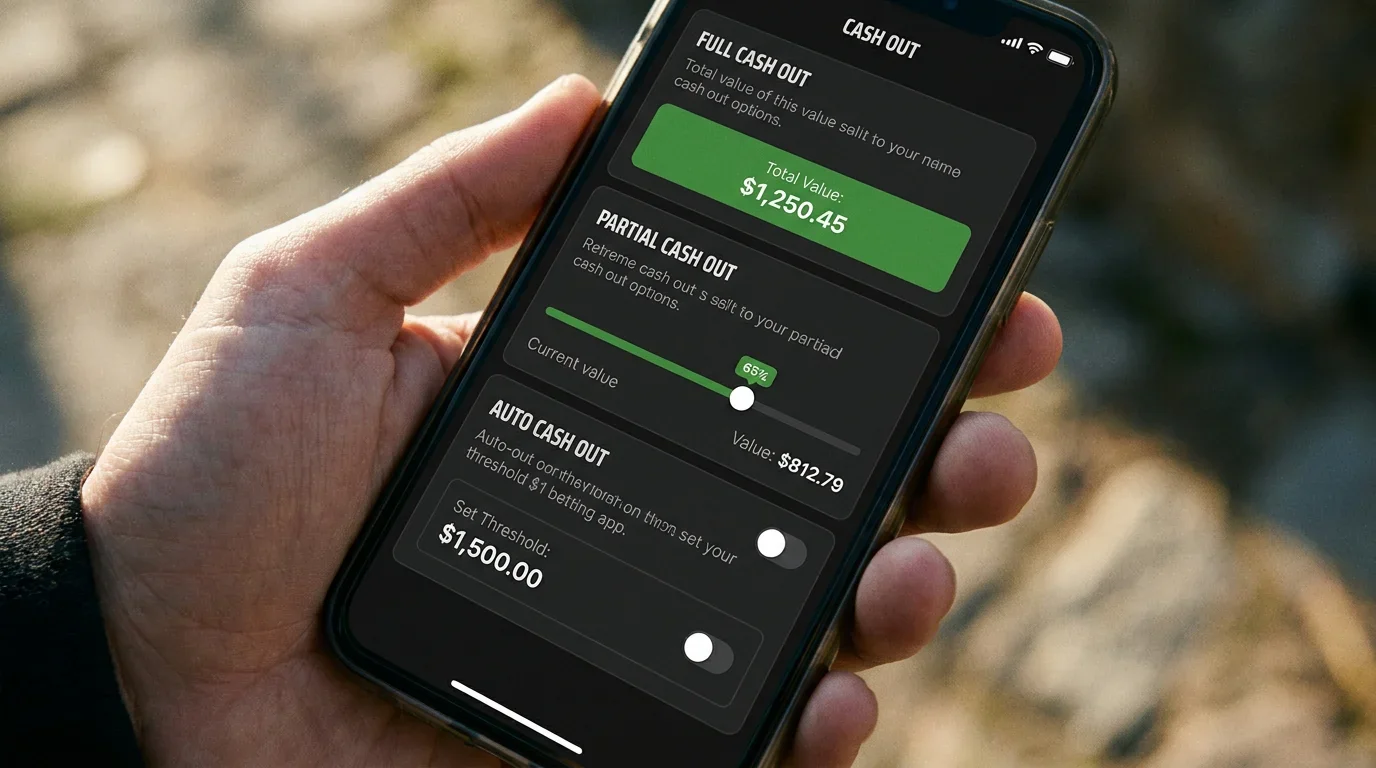
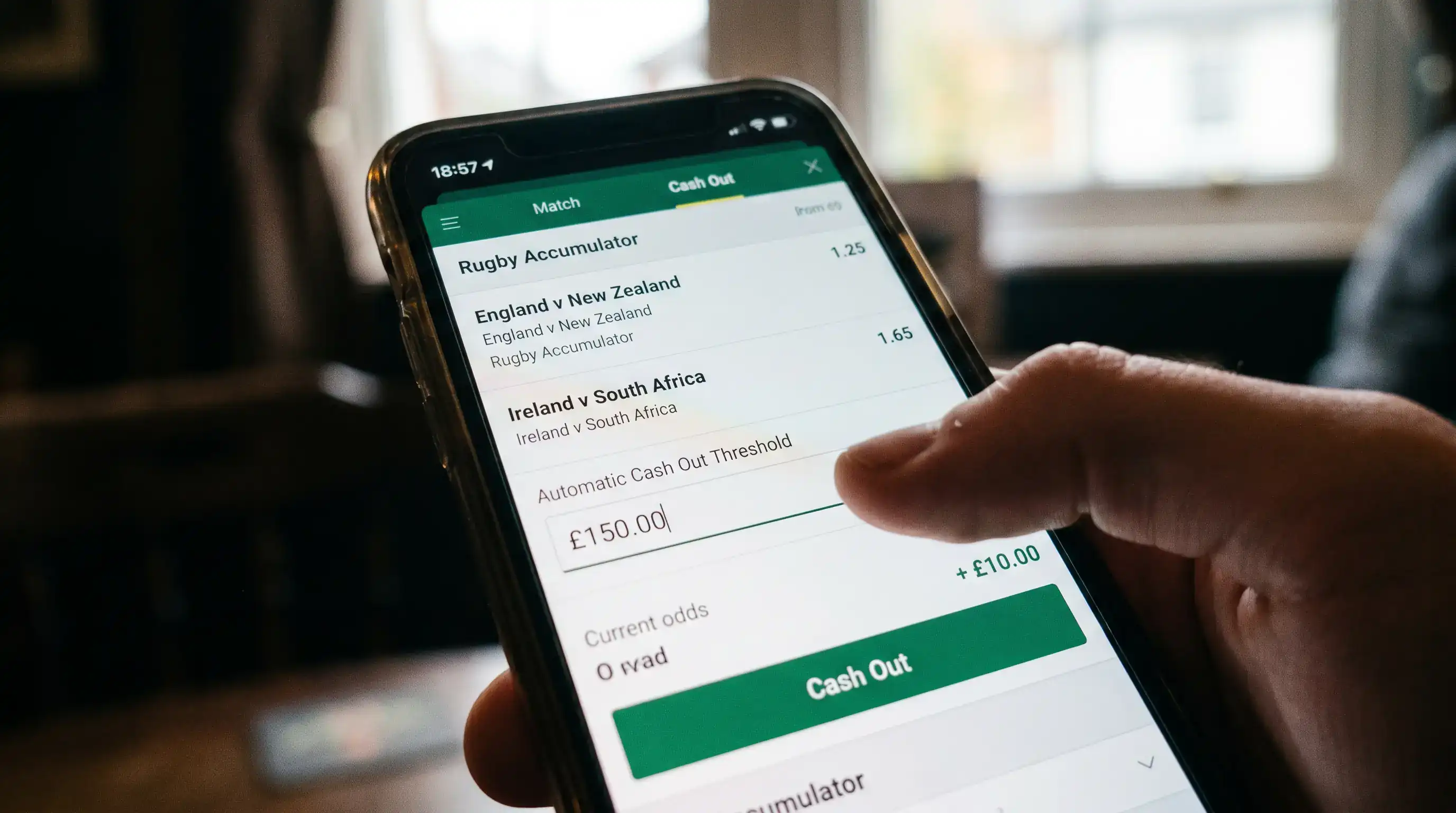
Auto cash out lets you set a threshold: if the cash-out value reaches a specified amount, the system settles automatically. This is useful when you can’t watch a match live – you set your target before kick-off and let the system execute. The limitation is that auto cash out triggers based on value, not on match context. It can’t distinguish between a cash-out value of 300 pounds driven by your team leading comfortably and the same value driven by a brief momentum swing that reverses seconds later.
How Bookmakers Calculate Cash-Out Offers on Rugby Bets
The cash-out offer is not your bet’s “current value” in a neutral sense. It’s the bookmaker’s price for buying back the risk, and like any price a bookmaker sets, it includes a margin. The government projects that operators will pass up to 90% of tax increases through to consumer-facing prices, and cash-out margins are no exception. The typical cash-out offer on a rugby bet reflects a margin of 5 to 10% below the bet’s theoretical value based on current live probabilities.
Here’s how it works mechanically. Your original bet was placed at odds of 3.00 with a 10-pound stake – a potential return of 30 pounds. Mid-match, the live probability of your selection winning has improved, and the current live odds are 1.50. The theoretical value of your bet is now 10 multiplied by (3.00 / 1.50) = 20 pounds. But the bookmaker’s cash-out offer won’t be 20 – it’ll be closer to 18 or 19, because the operator takes a margin on the transaction. That margin is the cost of certainty: you trade potential future value for guaranteed current value, minus the bookmaker’s fee for facilitating the trade.
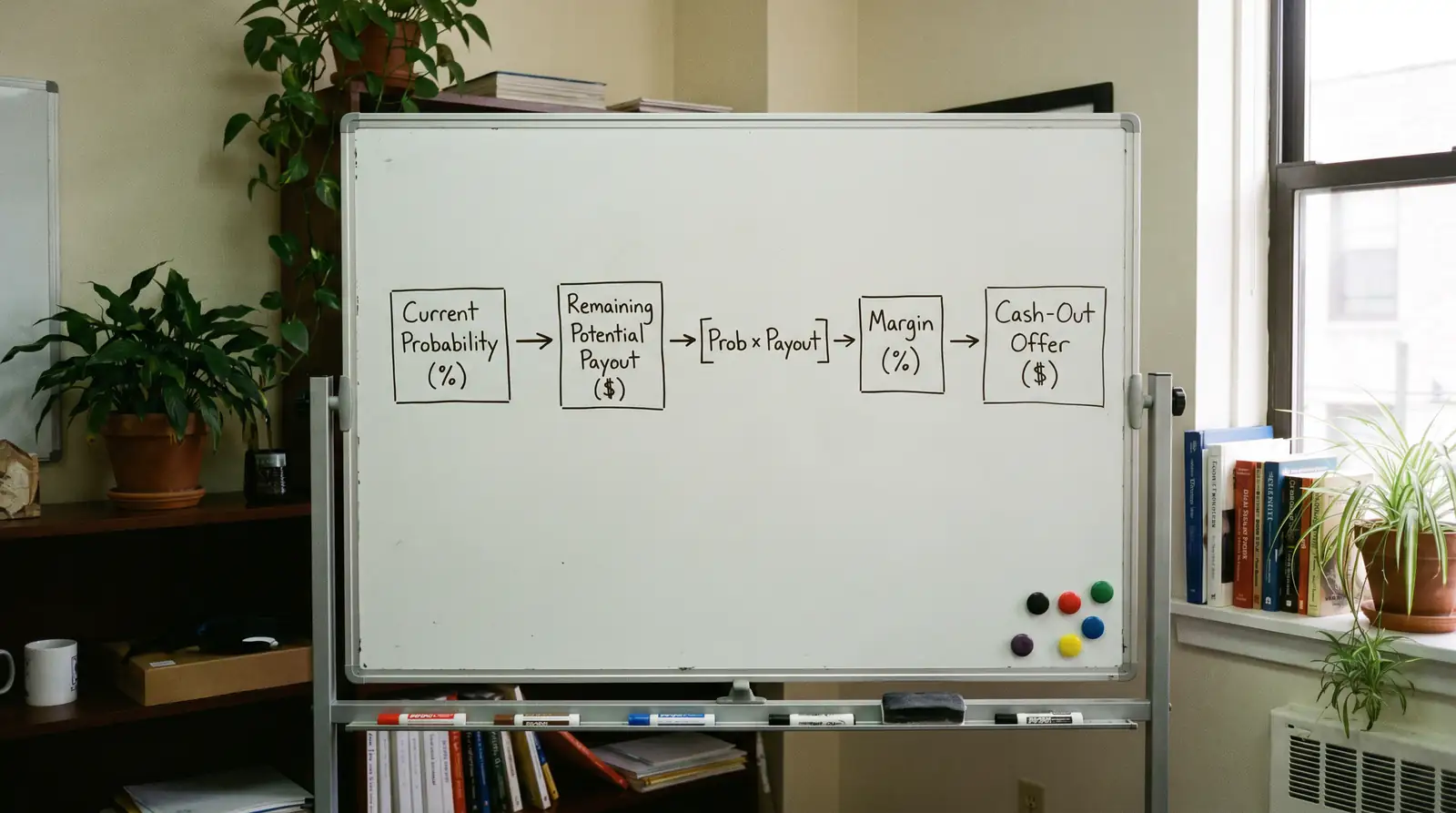
For accumulators, the cash-out calculation compounds across legs. Each settled leg adjusts the remaining combined odds, and the margin is applied to the overall position. The more legs in your acca, the wider the effective cash-out margin, because the complexity of pricing multi-leg positions gives the bookmaker more room to embed profit. I’ve measured effective cash-out margins on four-fold rugby accas at 8 to 12%, compared to 4 to 6% on singles.
A Decision Framework: Cash Out or Hold?
I use three questions to decide whether to cash out a rugby bet, and I answer them in order. If the answer to any question is “cash out”, I take the money.
First: has the information changed? If a key player gets injured or carded after I placed the bet, the probability has shifted in a way that my original analysis didn’t account for. The cash-out offer reflects this new information, and taking it is a rational response to changed circumstances. Holding the bet because “I picked it for a reason” ignores the fact that the reason may no longer apply.

Second: is the cash-out value above my expected value? If I placed the bet at odds of 3.00 and the cash-out offer represents a return above what I’d expect from the bet’s current probability, I take it. This sounds counterintuitive – why cash out a winning position? – but the maths is clear. If the live probability of winning is 55% and the cash-out offer is equivalent to a 60% implied probability, I’m being offered more than the bet is worth. Take the money.
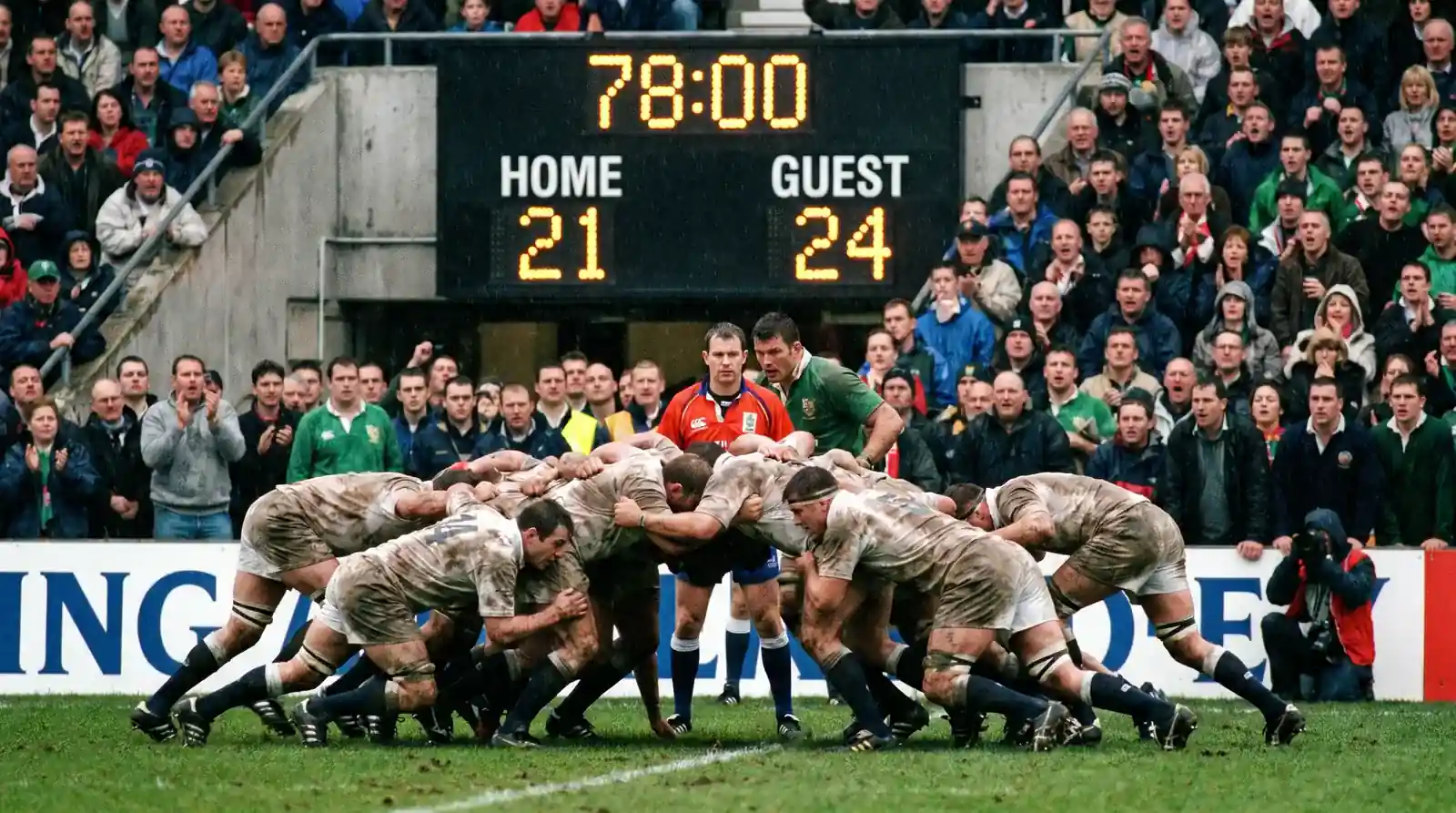
Third: can I live with the worst case? If the match situation is balanced and I’d regret watching the cash-out offer disappear more than I’d regret missing the full payout, I cash out. This is the emotional question, and it’s the hardest to answer honestly. The 410-pound screenshot on my phone is my personal reminder that regret from inaction stings worse than regret from taking a guaranteed profit.
The framework isn’t foolproof. Sometimes I cash out and the bet would have won. Sometimes I hold and it loses. But the framework forces a deliberate decision rather than a reactive one, and deliberate decisions – win or lose – are what separate systematic live betting from gambling on impulse.
Do all rugby bets qualify for cash out?
No. Cash-out availability depends on the operator, the market type, and the match status. Most major operators offer cash out on match result, handicap, and total points markets for pre-match and in-play bets, but tryscorer and player prop markets are often excluded. Some operators also suspend cash out during certain in-play events like scrums or TMO reviews.
Is partial cash out available on rugby accumulators?
Most UKGC-licensed operators offer partial cash out on rugby accumulators, allowing you to settle a portion of your bet while leaving the rest running. The partial option gives flexibility to lock in some profit without abandoning the full payout. The effective margin on partial cash out tends to be slightly wider than on full cash out for the same accumulator.
Written by the editors at Rugby Betting Sites.