Rugby Sevens Betting: Tournament Formats, Pace of Play and How the Markets Differ from Fifteens
 Available in US

My first sevens bet was a three-match accumulator during the 2018 Hong Kong Sevens. I backed three pool-stage favourites on the match-result market, and all three lost. Not close losses either – genuine upsets where the supposed weaker side played at a tempo the favourites couldn’t match. That afternoon cost me money but taught me something valuable: sevens betting operates on a completely different set of principles from the 15-a-side game, and anyone who imports their union assumptions into a sevens market is handing the bookmaker an edge before the first kick-off.
How the Sevens Format Creates Unique Betting Dynamics
Seven players per side, seven minutes per half, with a one-minute half-time interval in pool matches and two minutes in knockout rounds. Everything about sevens is compressed: the pitch is the same size as fifteens but the player density is less than half, which means open space everywhere. Tries come fast – a good sevens side can score from their own 22 in under 15 seconds – and momentum swings happen within a single passage of play rather than building over sustained phases.
That compression fundamentally changes the betting markets. A 14-point deficit in fifteens is a substantial mountain to climb; in sevens, it’s two converted tries, achievable in 90 seconds. The in-play odds adjust with extreme volatility, and the match-result probability can flip from 20% to 80% and back within the same half. If you’re used to the measured in-play movements of a Premiership fixture, sevens will feel like trading a commodity during a flash crash.
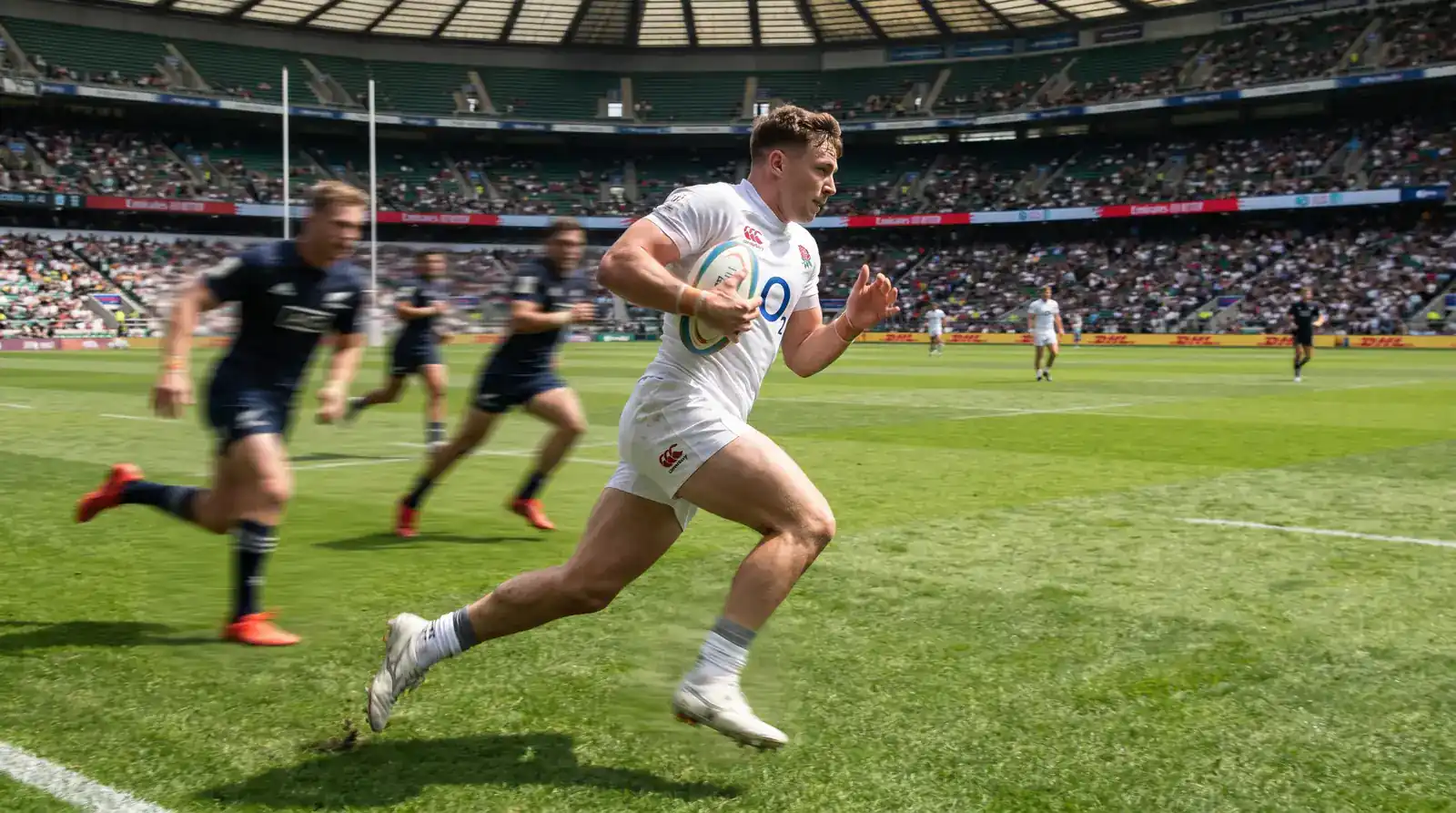
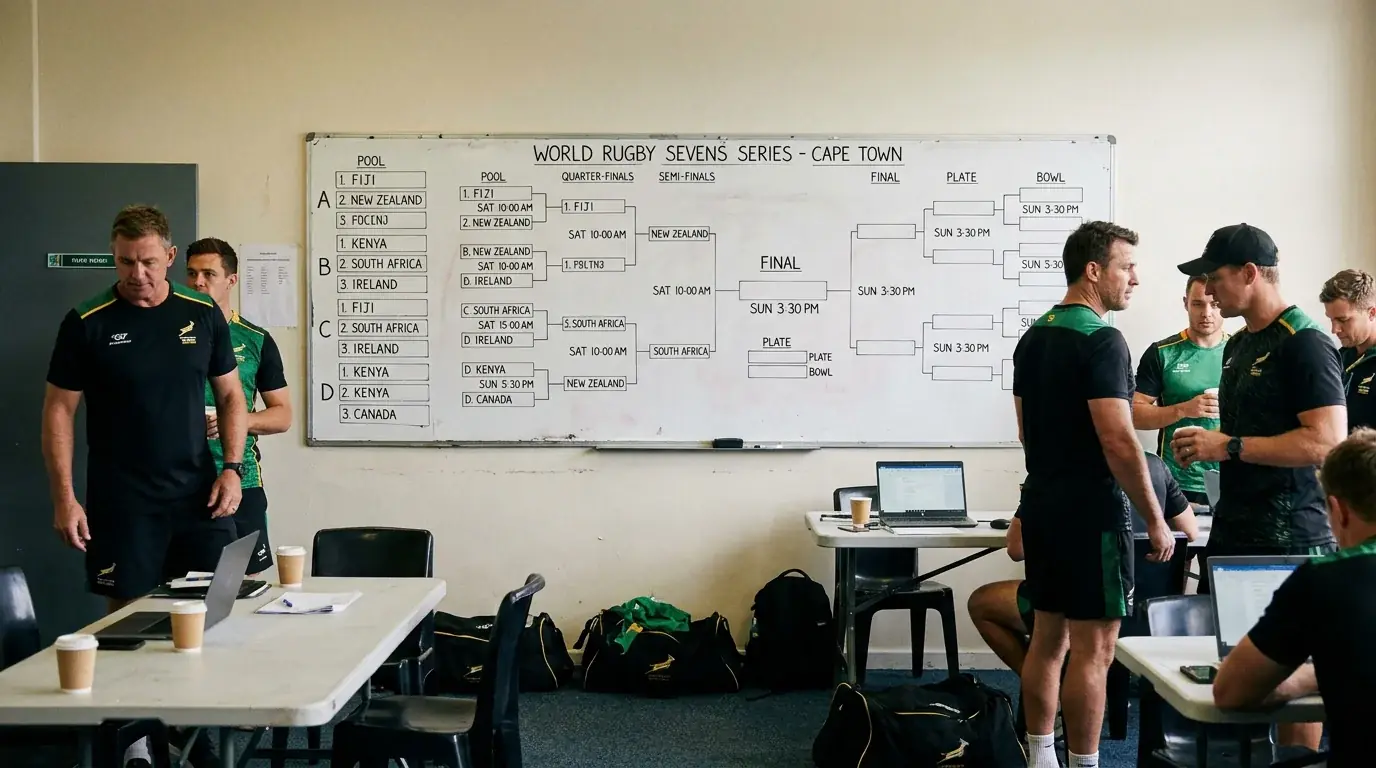
The tournament format adds another dimension. HSBC SVNS (formerly the World Rugby Sevens Series) runs across multiple events, each lasting two or three days with pool stages and knockout rounds compressed into the weekend. A team plays three pool matches and up to three knockout matches in 48 hours, and squad fitness becomes the dominant variable by day two. I’ve tracked performance data across the circuit for three seasons, and the correlation between squad depth and day-two results is stronger than any other single factor. Teams carrying 13 fit players outperform those relying on 12 by a statistically significant margin in the quarter-final stage and beyond.
Markets Available on Sevens and Where the Value Sits
Market coverage on sevens is thinner than on fifteens but has improved steadily since the sport’s inclusion in the Olympic programme. The SVNS circuit generates match-result, handicap, and total points markets at most major operators for pool-stage and knockout-stage fixtures involving the established powerhouses – Fiji, New Zealand, South Africa, Argentina, Australia, and France. Lower-ranked fixtures and day-one pool matches involving development sides attract match-result only, and sometimes not even that.
Tournament outright markets are available before each SVNS event, and this is where I find the most consistent value. The bookmaker’s outright pricing reflects the seedings and recent form, but sevens tournaments are so volatile that the draw structure – which pool each team lands in, which side of the knockout bracket they occupy – has an outsized impact on each team’s probability of winning the event. A strong team drawn into a pool with two other contenders faces a harder path than an equally strong team with a softer pool, and the outright odds don’t always reflect that structural advantage.

The total points market on sevens is wider than on fifteens, with typical overrounds of 6 to 10%. The lines are high – a standard pool match between two competitive sides might be set at 38.5 or 42.5 – and the variance around those lines is enormous. One yellow card in a sevens match removes 14.3% of the team’s on-field resource (compared to 6.7% in fifteens), and the resulting overlap in attack produces tries at a rate that can blow through even a generous total-points line. UK online betting accounts grew to 12.7 million in Q1 2025/26, and sevens is one of the niche markets where the growing bettor base hasn’t yet produced efficient pricing.
Olympic Sevens: The Betting Peak of the Four-Year Cycle
The Olympic Games transforms sevens from a niche SVNS circuit product into a mainstream betting event. The 2024 Paris Olympics produced the deepest sevens betting markets I’ve ever seen: match result, handicap, total points, first tryscorer, and tournament outrights at virtually every major operator. The volume of bets on Olympic sevens exceeded the combined volume of the entire SVNS circuit that year, and the margins tightened accordingly – match-result overrounds dropped below 4% on the medal-round fixtures, comparable to a men’s Six Nations match.
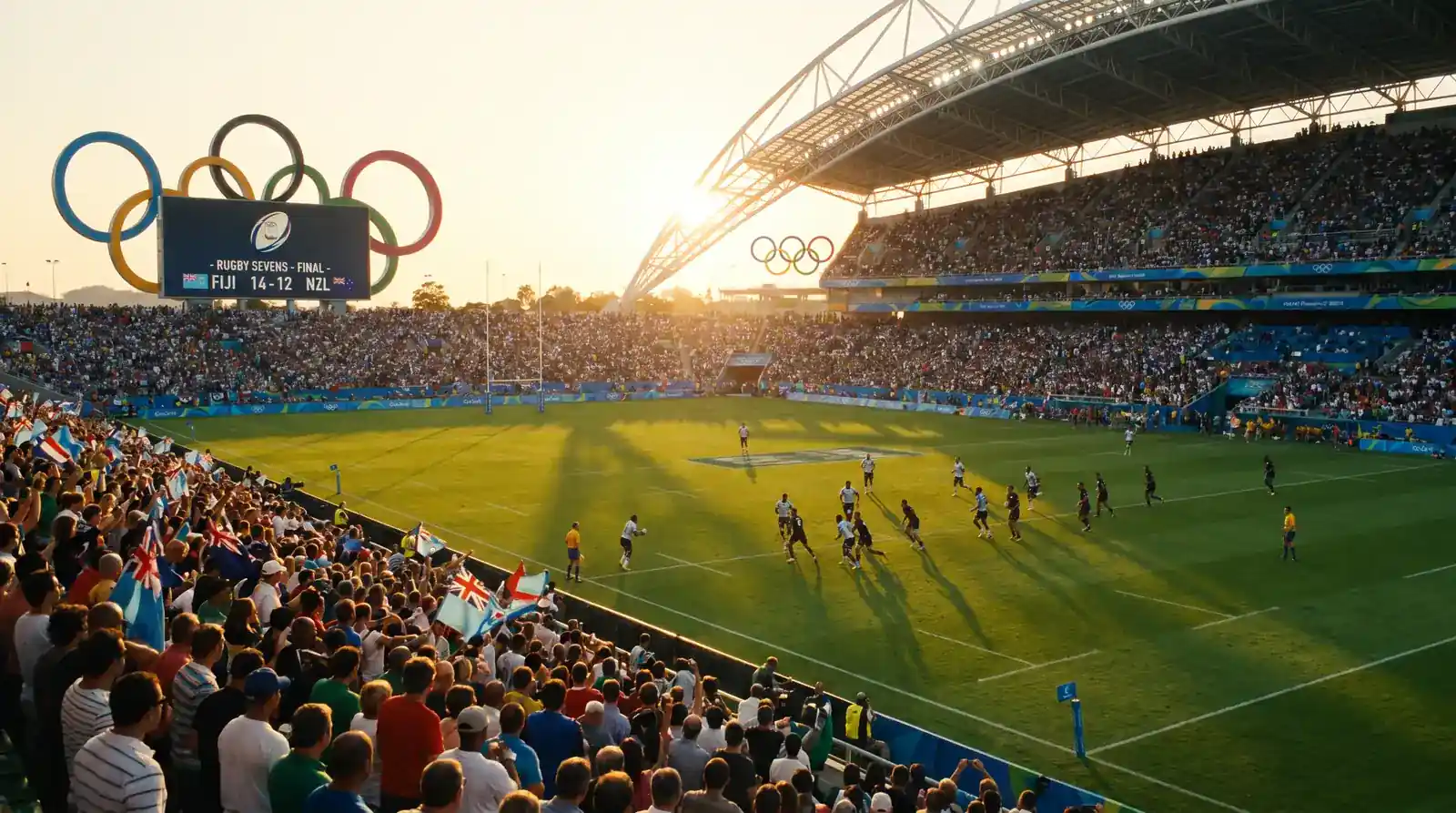
The Olympic format is different from the SVNS circuit. Twelve teams, divided into three pools of four, with the top two and two best third-placed teams advancing to the quarter-finals. The compressed schedule – pool stage on day one, knockouts on day two – amplifies the squad-depth factor even further. I back teams with the strongest bench strength for the knockout stage, because the starting seven is often less important than the reserves’ ability to maintain intensity when the starters fatigue.

Between Olympic years, the SVNS circuit maintains a steady betting presence, and the November and December events in the Gulf states are the best opportunities for early-season value before the bookmakers’ models fully calibrate to the current campaign’s form. If you’re building a sevens betting strategy, the annual cycle is: SVNS early-season events for value, mid-season events for confirmation of form models, and the Olympic Games or Commonwealth Games for the deepest and most competitive markets.
The market structures in fifteens share some terminology with sevens but almost no pricing logic. Treat sevens as a separate sport for analytical purposes, build a dedicated model around squad depth and tournament structure, and you’ll find a market that most rugby bettors overlook entirely.
Can I bet on rugby sevens in the UK?
Yes. UKGC-licensed bookmakers offer betting on the HSBC SVNS circuit, Olympic sevens, and Commonwealth Games sevens. Market coverage varies by event – top-tier fixtures involving established nations generate match result, handicap, and total points markets, while lower-profile matches may only have match-result odds. Olympic sevens produces the deepest market coverage.
How is sevens betting different from fifteens?
Sevens matches are 14 minutes long with seven players per side on a full-size pitch, producing extreme scoring volatility and rapid momentum swings. In-play odds fluctuate far more dramatically than in fifteens. Squad depth and tournament draw structure are the dominant analytical factors, replacing the set-piece and breakdown metrics that drive fifteens analysis. The markets are thinner with wider margins.
Published by the Rugby Betting Sites team.