Rugby Betting Markets Explained: A Complete Map of Every Available Wager Type
 Available in US
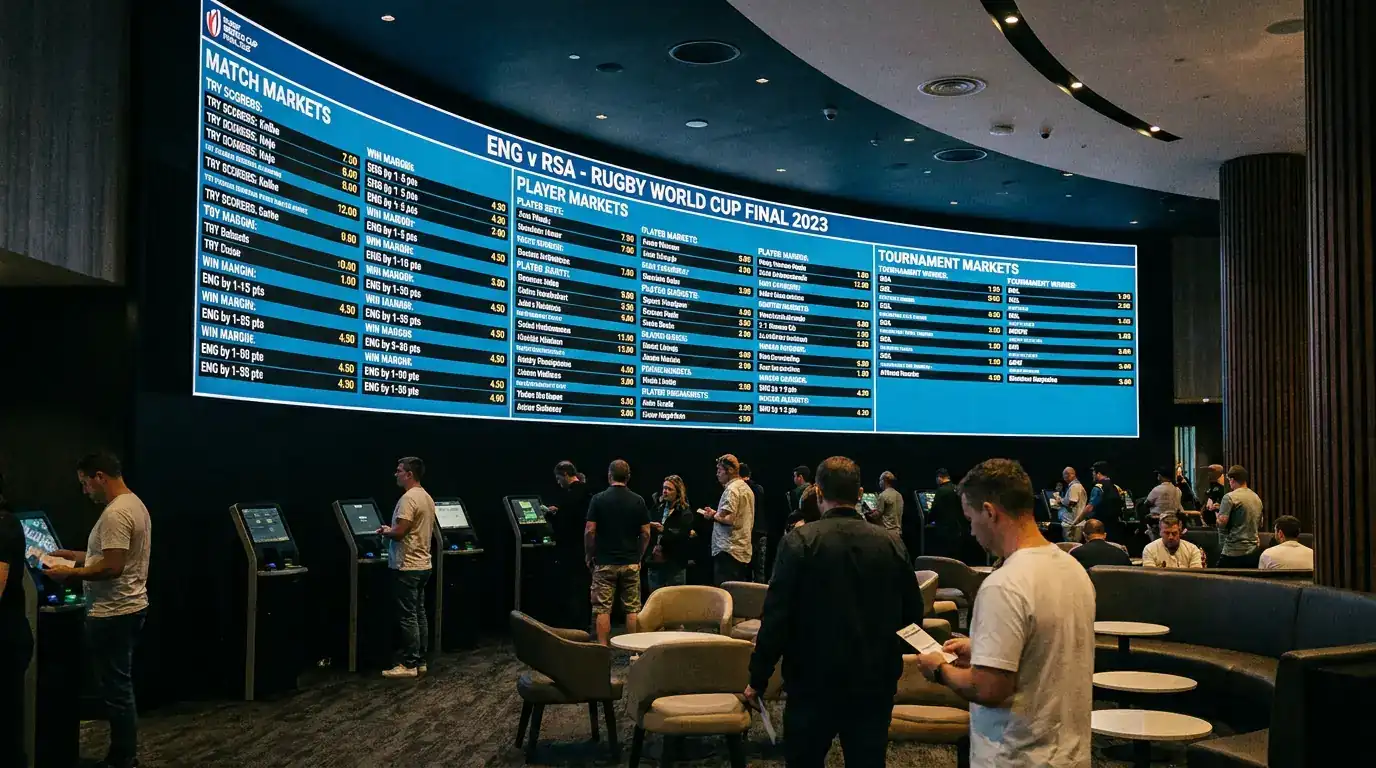
When I started betting on rugby in 2015, the average bookmaker offered about 15 markets on a Premiership match: match result, handicap, total points, first tryscorer, and a handful of variations. Today, a Friday-night Six Nations fixture can generate north of 100 individual markets at the most comprehensive operators. The non-racing segment of UK sports betting produced 5.05 billion pounds in revenue in 2024, and rugby’s share of that pie has expanded in part because the market offering has deepened so dramatically. The challenge for bettors is no longer finding a market – it’s knowing which markets reward analysis and which are margin traps.
Match-Level Markets: Result, Handicap, Total Points, Winning Margin
Match result is the foundation. You’re backing home win, draw, or away win. The draw is included in rugby union markets but almost never happens – the last Premiership draw I recall was settled by a last-minute penalty, and the odds on a draw typically sit between 26.00 and 34.00 for good reason. In rugby league, draws are even rarer because the scoring pace is faster. Most experienced bettors either ignore the draw entirely or include it as a hedge in specific circumstances.
Handicap betting levels the match by applying a virtual points advantage or deficit to one team. I’ve written extensively about how handicap lines work in both codes, but the key point here is that the handicap market is where most of the sharp money sits. It transforms a lopsided fixture into a competitive betting proposition and forces you to assess the margin of victory, not just the winner. Alternative handicap lines – multiple lines offered on the same match at different spreads – give you further flexibility to find value at a specific number.
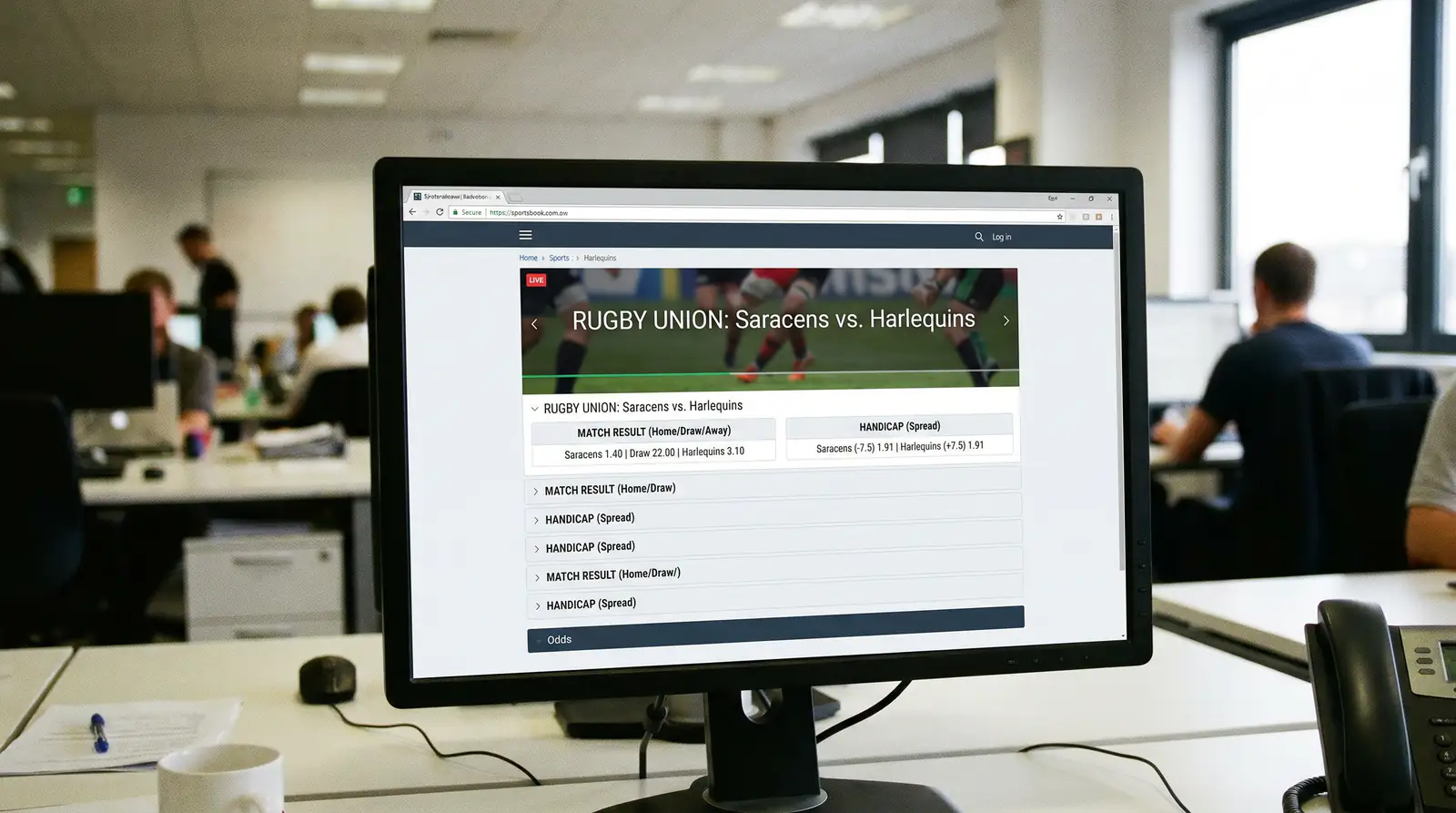
Total points over/under asks whether the combined score will exceed or fall below a set line. Typical lines for a Premiership match sit between 40.5 and 55.5, depending on the teams and conditions. Weather is the biggest external variable: a wet, windy night pushes the line down because handling errors increase and teams kick more. I check the forecast for every venue and adjust my total points assessment accordingly. Alternative totals – higher and lower lines than the main offering – are available at most operators and let you express a stronger view on scoring at different prices.
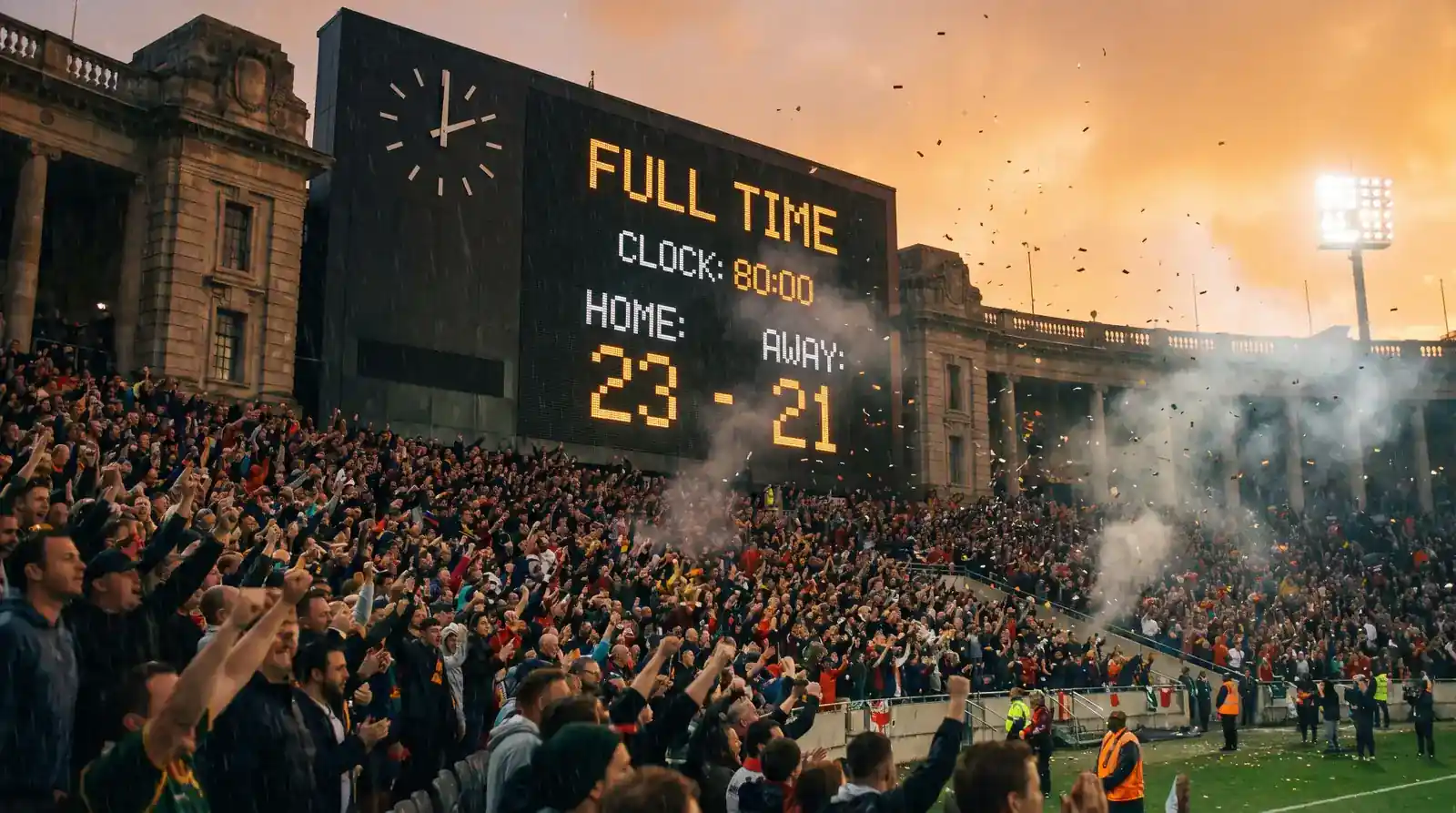
Winning margin markets predict the exact margin band (1-5 points, 6-10, 11-15, and so on). The odds are attractive – typically 3.50 to 7.00 per band – but the precision required makes them difficult to beat consistently. I use winning margin bets sparingly, usually when my model produces a tight predicted margin that sits squarely in the middle of a band rather than near the boundary.
Player-Level Markets: Tryscorer, Points Scorer, Tackles and Cards
Player props have exploded in recent years, and they now represent a meaningful slice of the rugby betting market. First tryscorer, anytime tryscorer, and last tryscorer are the most established, each with distinct dynamics and margin structures. The tryscorer markets carry the widest overrounds in rugby – often 25 to 35% – because the large number of possible outcomes gives bookmakers room to embed profit without any individual price looking egregiously wrong.
Points scorer markets ask whether a specific player will score points by any method – try, conversion, penalty, or drop goal. These markets favour kickers, since a fly-half or fullback who takes place kicks has multiple routes to scoring. The anytime points scorer odds on a starting kicker are typically 1.05 to 1.15, which looks like a near-certainty until you remember that kickers do occasionally go scoreless in low-penalty matches or when substituted early.

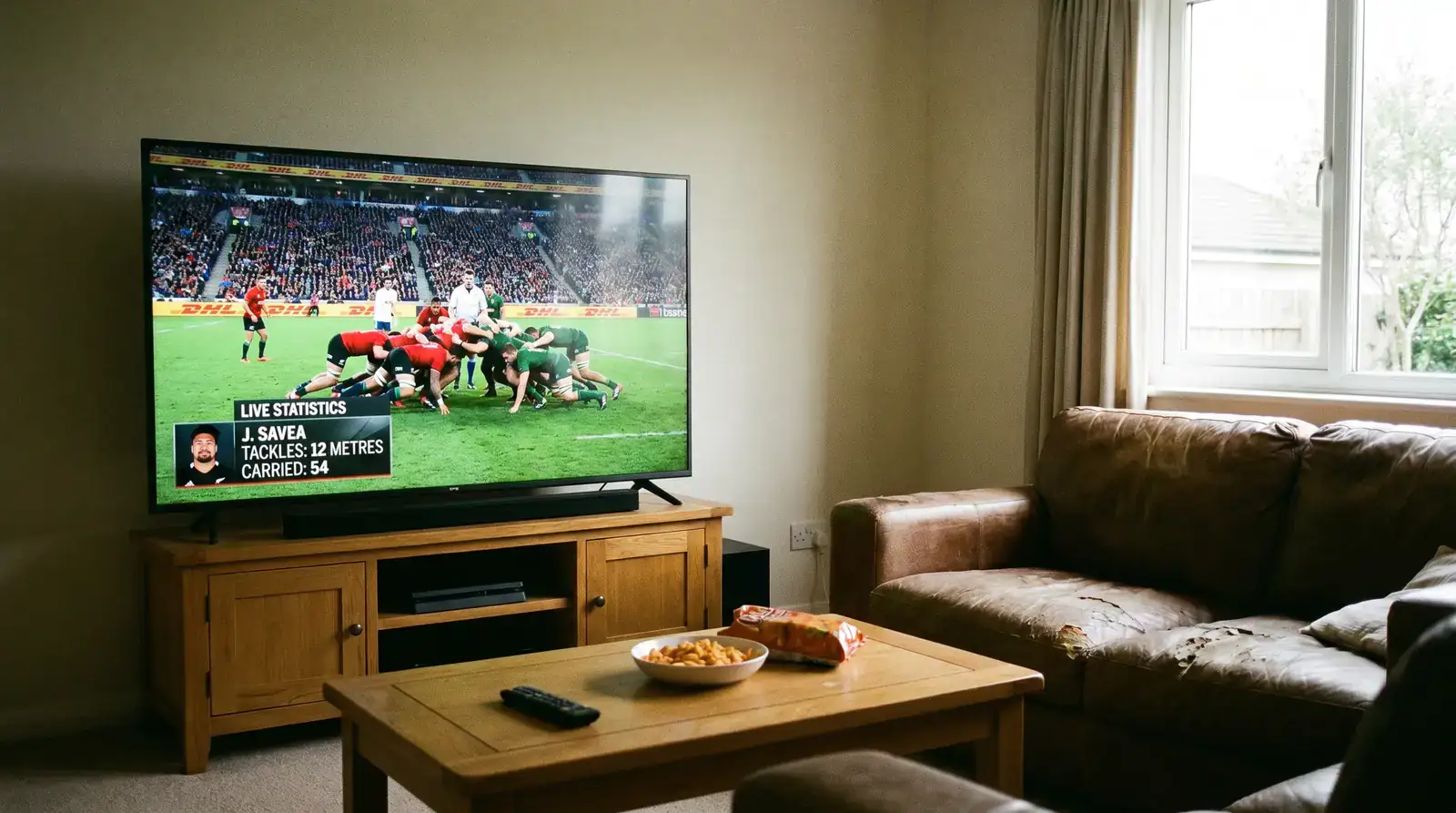
Tackles and carries markets are newer and less efficient. You’re betting on whether a player will make over or under a set number of tackles or carry the ball a set number of times. The lines are set based on season averages, which creates mispricing when the matchup deviates from the average. A flanker who averages 14 tackles per match might be lined at 13.5, but if the opposition runs a possession-heavy game plan that reduces tackling opportunities, the under becomes value. These markets reward specific knowledge of team tactics and playing styles.
Cards markets ask whether a match will produce a yellow or red card, or whether a specific player will be carded. The overall “any card in the match” market is typically priced around 1.40 to 1.60 for yes, which implies a 60 to 70% probability. In Premiership rugby, the actual yellow card rate per match has hovered around 1.2 to 1.5 across recent seasons, so the market is roughly efficient. Value appears in specific-player card markets, where a back-row forward with a high penalty count is underpriced for a card in a fixture with a strict referee.
Tournament and Outright Markets: Winners, Top Tryscorer, Wooden Spoon
Outright markets operate on a different timescale from match betting. You’re placing a bet weeks or months before the outcome is settled, which introduces variables that don’t exist in a single match: injuries over the course of a campaign, fixture congestion, squad rotation, and mid-season coaching changes. The global rugby betting turnover exceeded 600 million euros in 2023, and outright markets absorb a meaningful portion of that volume during tournament periods.
Tournament winner is the headline outright market. For the Six Nations, the favourite is typically priced between 2.00 and 3.00, with the field ranging out to 20.00 or longer for the weakest side. For the Premiership, the range is wider because the season is longer and more variables can influence the outcome. Each-way betting on outright markets – backing a team to finish in the top two or three at a fraction of the win odds – is an underused approach in rugby that can smooth returns across a season.

Top tryscorer markets span the entire tournament or season, and the variance is enormous. The favourite is typically priced at 6.00 to 10.00, reflecting the genuine uncertainty about which individual will finish on top. Injuries, suspensions, and positional changes can derail any runner. I treat top tryscorer bets as lottery-style positions with small stakes, reserved for players whose scoring rate over the past two seasons significantly exceeds what the odds imply.
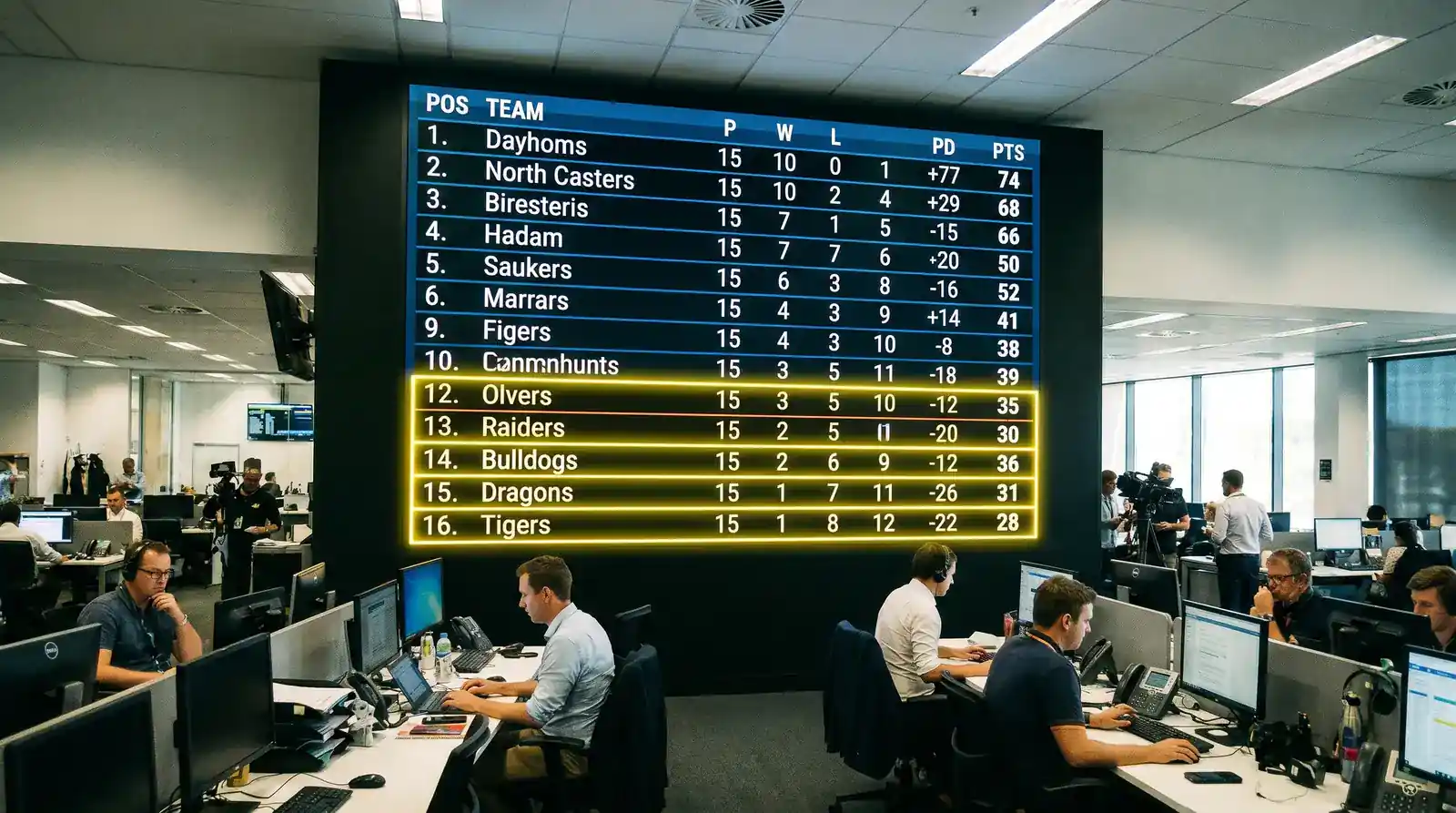
Wooden spoon and relegation markets – though the latter is disappearing as the Premiership moves to a franchise model – ask you to identify the worst-performing team. These markets carry contrarian value because the public money tends to pile onto well-known struggling sides, shortening their price below fair value and leaving longer odds on teams with quieter but equally serious problems.
How many markets do bookmakers typically offer on a rugby match?
A major Six Nations fixture can attract over 100 individual markets at the most comprehensive operators, including match-level, player-level, and period-specific wagers. A standard Premiership match typically offers 40 to 70 markets, while lower-profile fixtures in the URC or Challenge Cup might have 15 to 30.
What are rugby specials and novelty bets?
Specials are markets created for specific occasions, such as the first scoring method in a Grand Final, whether a penalty will be kicked from inside the 22 in the first 10 minutes, or the exact scoreline at half-time. Novelty bets extend to non-match events like man-of-the-match awards. These markets carry the widest margins and are difficult to beat systematically.
Written by the editors at Rugby Betting Sites.