Rugby Betting Integrity in the UK: How Match-Fixing Monitoring Protects the Markets You Bet Into
 Available in US
In 2015, a handful of rugby league matches in the lower divisions triggered alerts on a European betting monitoring system. The betting patterns on specific in-play markets – total points bands, half-time scores – deviated so sharply from expected distributions that the system flagged them within minutes of the abnormal activity starting. That incident, which led to investigations and bans, was one of the first times I paid serious attention to integrity infrastructure. Most bettors assume the matches they wager on are clean. That assumption is broadly correct, but only because an entire ecosystem of monitoring, enforcement, and regulation works behind the scenes to keep it that way.
The Integrity Framework: Who Monitors Rugby Betting
The UK’s integrity architecture for sports betting has multiple layers, and understanding them helps you evaluate the trustworthiness of the markets you bet into. The Gambling Commission sits at the top, holding the regulatory authority to investigate suspicious betting patterns and prosecute offenders under the Gambling Act 2005. Below that, the sports themselves have dedicated integrity units: World Rugby operates a global integrity programme, the RFU has its own anti-corruption code, and the RFL maintains a separate framework for rugby league. These bodies work with a network of betting monitoring organisations that scan global betting markets in real time for anomalous activity.
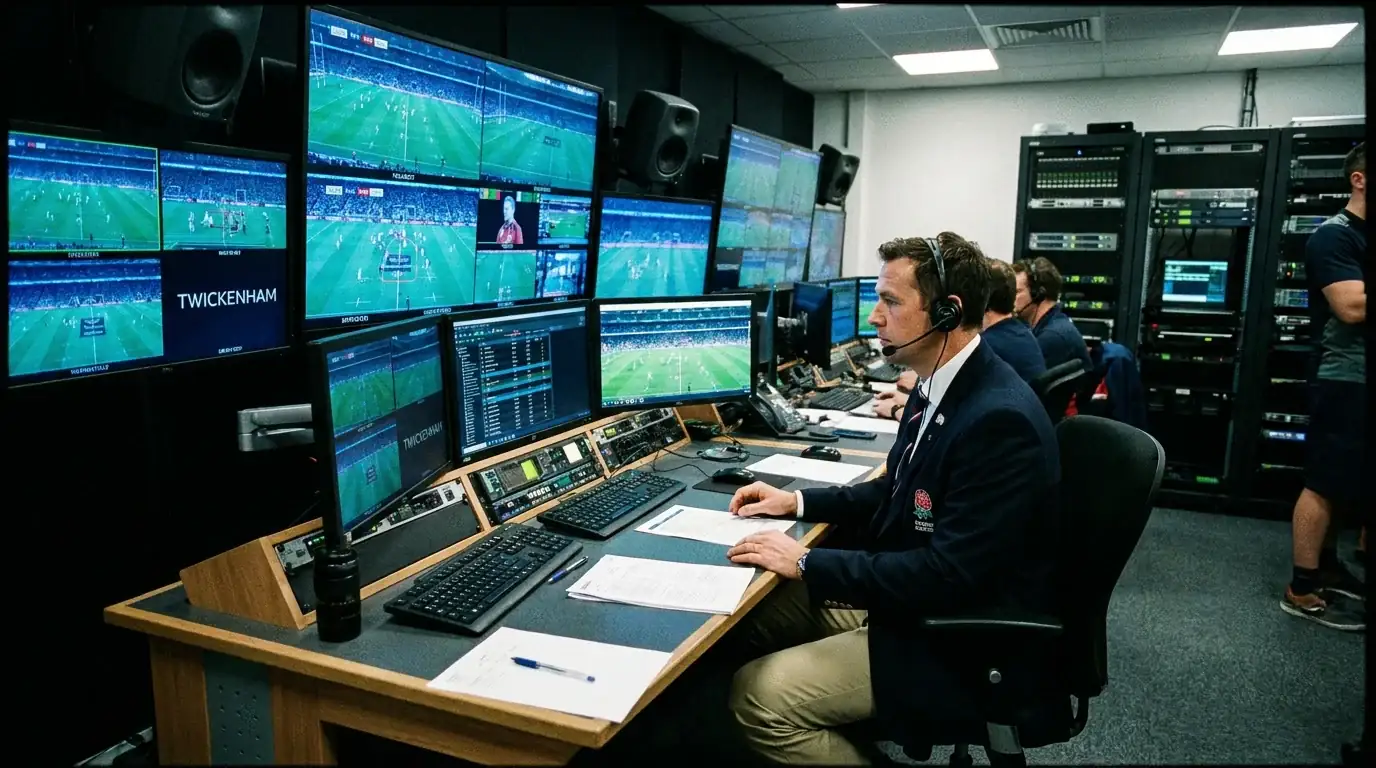
The monitoring technology is sophisticated. Algorithms compare live betting patterns against historical baselines for similar fixtures – same teams, same competition, same stage of the season. When the volume or direction of bets deviates beyond a statistical threshold, an alert fires. That alert triggers a review process: the integrity unit contacts the bookmakers involved, examines the source of the suspicious bets, and cross-references with intelligence on known corruption risks. The industry processed roughly 290 million online bets per month in the UK during the latest reporting period, and the monitoring systems scan a significant share of that volume in real time.

For the individual bettor, this infrastructure means that the prices you see on a Six Nations or Premiership match reflect genuine market forces rather than manipulated outcomes. The system isn’t perfect – no integrity framework eliminates risk entirely – but the combination of regulatory enforcement, sports-body codes, and algorithmic monitoring makes top-tier rugby one of the cleaner sports to bet on.

Where Integrity Risks Are Highest and Lowest
Not all rugby markets carry the same integrity risk. International test matches involving Tier 1 nations – the Six Nations, Rugby Championship, autumn internationals – are among the lowest-risk events in world sport. The players are high-profile, well-compensated, and subject to intense media scrutiny. The betting markets are deep enough that manipulating the price would require stakes large enough to trigger immediate detection. The combination of visibility, financial security, and monitoring depth makes corruption at this level extraordinarily difficult and rare.
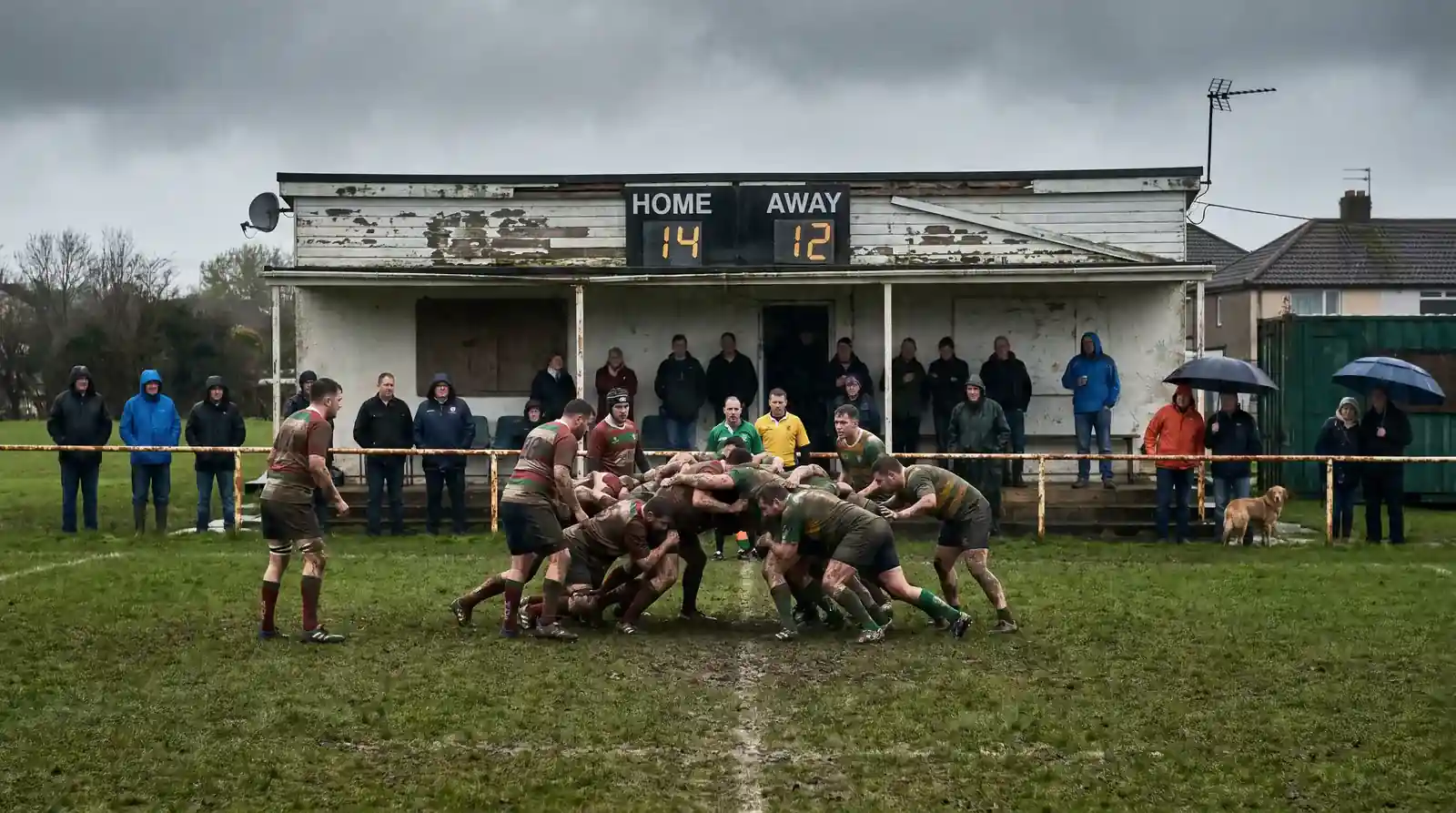
The risk profile changes at lower levels. Tier 2 and Tier 3 internationals, lower-league domestic fixtures, and age-grade competitions involve players with lower salaries, less media attention, and thinner betting markets. A thinner market means a smaller sum of money can move the price, which lowers the cost of attempted manipulation. The monitoring systems cover these markets too, but the baselines are less robust because the historical data is sparser, making anomalies harder to distinguish from legitimate volatility.
Specific market types carry elevated risk regardless of the level of competition. First tryscorer and exact score markets are the most vulnerable, because a single event (one player crossing the try line) can determine the outcome, and the link between a specific individual’s actions and the market result is direct. Match-result and handicap markets are harder to manipulate because they depend on the aggregate performance of 30 players over 80 minutes. Alex Cadwallader’s observation about competitive balance in domestic rugby has an integrity dimension too – lopsided matches where one team is vastly superior produce wider handicap lines and more volatile scoring patterns, which can mask suspicious activity.
What UKGC Licensing Means for Market Integrity
The UK betting industry encompasses 914 companies with a combined market value of 17.2 billion pounds, and every one of those companies operating online holds a UKGC licence that includes specific integrity obligations. Licensed operators must report suspicious betting activity to the Gambling Commission and cooperate with investigations. They must share data with sports integrity bodies when requested. They must refuse bets from individuals subject to betting bans imposed by sports governing bodies.
These obligations create a feedback loop that strengthens the integrity framework. The more data operators share, the more effective the monitoring algorithms become, which in turn makes corruption harder to execute undetected. The 12.7 million active online betting accounts in the UK generate an enormous dataset, and the pattern-recognition tools applied to that data improve with every season of operation.

Unlicensed offshore operators sit outside this loop. They have no obligation to report suspicious activity, no requirement to share data, and no regulatory consequence for facilitating bets that undermine sporting integrity. When you bet with an unlicensed site, you’re not just risking your own funds – you’re contributing to a market that integrity systems can’t monitor and that corruption networks can exploit. The UKGC licence verification process takes less than a minute and is the simplest way to ensure your betting activity supports rather than undermines the integrity of the sport you’re wagering on.
Practical Implications for Your Rugby Betting
Understanding integrity infrastructure doesn’t change how you analyse a match, but it should influence which markets and competitions you prioritise. I concentrate my betting on Tier 1 internationals and the top domestic leagues precisely because the integrity protections are strongest at those levels. When I do bet on lower-tier fixtures, I focus on match-result and handicap markets where manipulation is hardest, and I avoid exotic player-level markets where a single event can determine the outcome.

If you encounter odds that move dramatically without an obvious explanation – no team news, no weather change, no tactical shift – that movement itself is information. It doesn’t necessarily indicate corruption; sharp money from professional bettors is a more common explanation. But unexplained movement on a lower-profile fixture in a thin market warrants caution. I treat it as a “skip” signal – there are always other matches to bet on where the pricing is transparent and the information is clear.
The integrity of rugby betting markets in the UK is strong by any reasonable standard, and the regulatory framework supporting it is more robust than in most other jurisdictions. That’s a competitive advantage for UK-based bettors. The markets you access through UKGC-licensed operators are monitored, regulated, and backed by enforcement mechanisms that give you confidence the outcomes are determined on the pitch, not in a back room.
Is match-fixing a risk in UK rugby betting?
At the top level – Six Nations, Premiership, internationals – the risk is extremely low due to high player salaries, intense media scrutiny, deep betting markets, and sophisticated real-time monitoring. The risk increases at lower levels where salaries are lower, markets are thinner, and monitoring baselines are less robust. Betting with UKGC-licensed operators ensures your activity is within the monitored ecosystem.
Which rugby betting markets are most vulnerable to integrity issues?
First tryscorer and exact score markets carry the highest theoretical risk because a single player action can determine the outcome. Match-result and handicap markets are significantly harder to manipulate because they depend on aggregate team performance over 80 minutes. Concentrating your betting on match-level markets at the top tier of competition minimises integrity risk.
Written by the editors at Rugby Betting Sites.