UKGC-Licensed Rugby Bookmakers: How to Verify a Licence and Why It Matters
 Available in US
I’ve been asked exactly once to bet on rugby through an unlicensed offshore site. A contact sent me a link to a platform promising zero-margin odds and instant withdrawals. The site looked professional, the odds were genuinely sharper than anything available from regulated operators, and the whole setup screamed “too good to be true” – because it was. Three months later, the site vanished. No customer service, no funds returned, no recourse. That experience crystallised something I’d known intellectually but hadn’t felt viscerally: a UKGC licence isn’t a marketing badge. It’s the difference between a regulated market with enforceable protections and an unregulated one where you’re on your own.
What a UKGC Licence Guarantees for Rugby Bettors
The UK betting industry encompasses 914 companies employing 91,549 people, with a total market value estimated at 17.2 billion pounds in 2025-26. Every one of those companies operating in the online space holds a licence from the UK Gambling Commission, and that licence comes with a set of conditions that directly protect your money, your data, and your rights as a customer.
Ring-fenced customer funds are the most important protection. UKGC-licensed operators must segregate customer deposits from operational funds, ensuring that your balance is protected if the company enters financial difficulty. The level of segregation varies – some operators hold funds in a completely separate trust account, while others use a less robust “medium” protection model – but all must meet a minimum standard that offshore sites have no obligation to match.
Dispute resolution is the second key guarantee. If you have a complaint about a UKGC-licensed bookmaker that the operator’s internal process can’t resolve, you have the right to escalate to an independent Alternative Dispute Resolution provider. The ADR process is free to the customer and produces binding decisions. Try filing a complaint against an offshore site registered in Curacao or Anjouan – you’ll find no equivalent mechanism.

The number of licensed betting premises in the UK has fallen to 5,931 – a 22.8% decline from pre-pandemic levels – as the market shifts online. That shift makes the UKGC’s digital enforcement even more critical, because the majority of customer interactions now happen through apps and websites rather than physical shops. The licence conditions cover everything from advertising standards and bonus transparency to responsible gambling tools and data protection. They’re not perfect, but they represent a framework that doesn’t exist in unregulated jurisdictions.
How to Check a Bookmaker’s Licence Status in Under a Minute
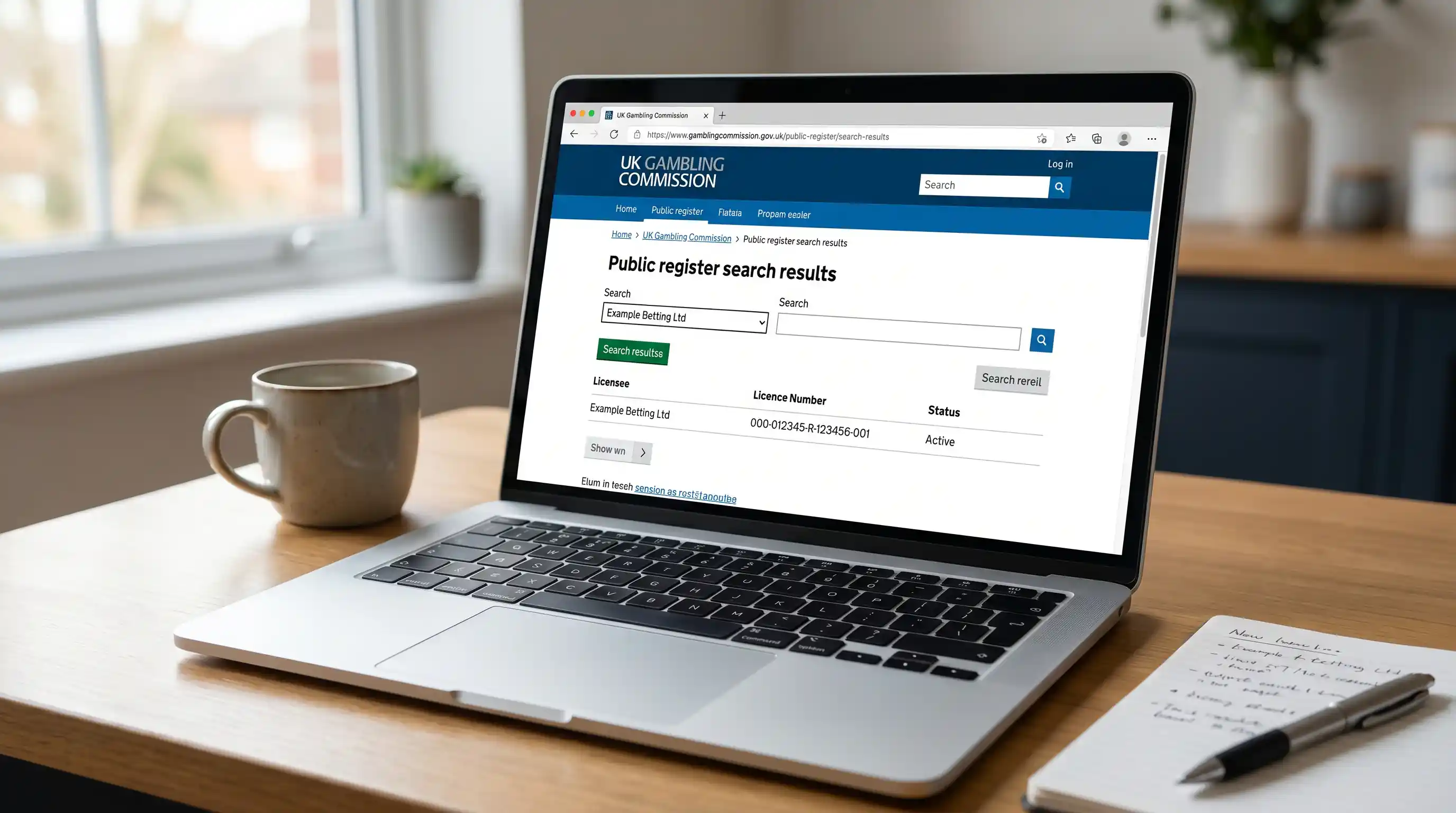
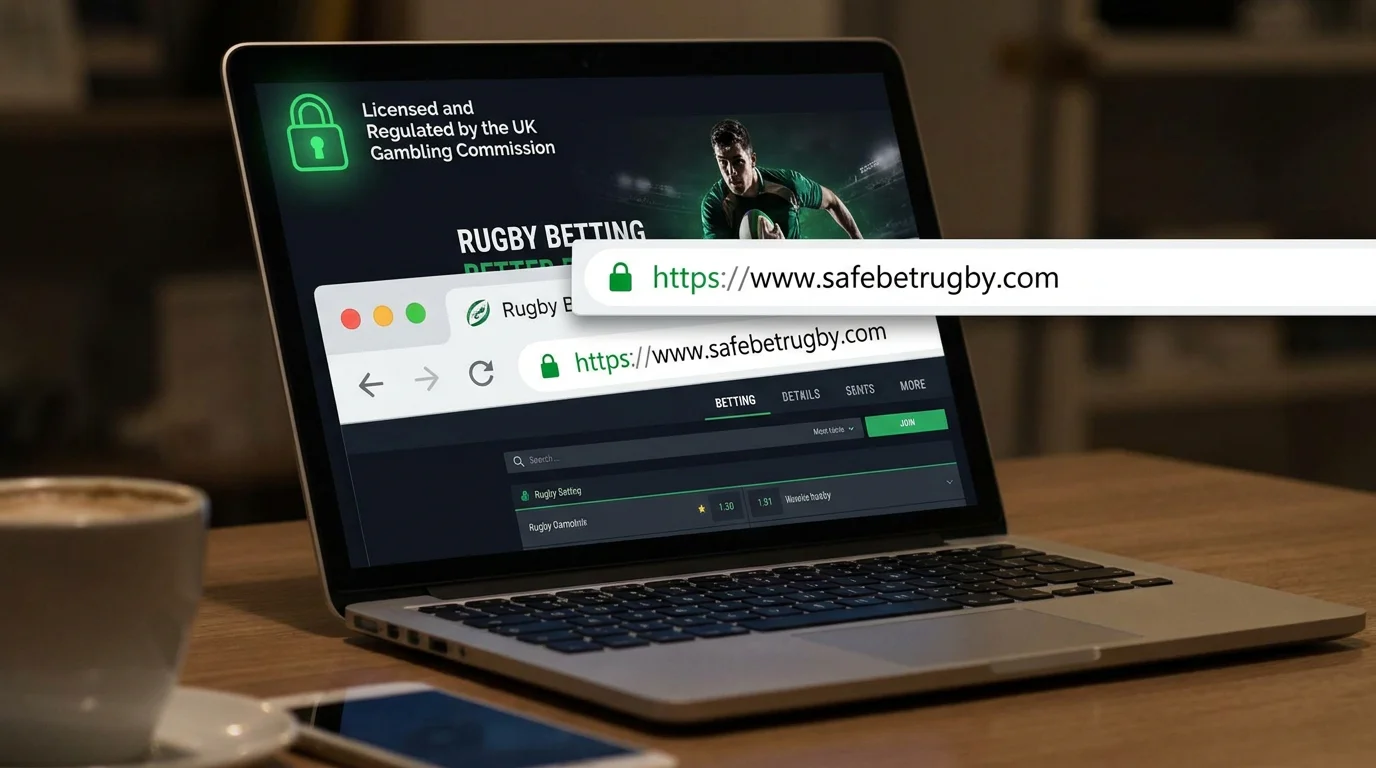
Every UKGC-licensed operator must display their licence number and a link to the Commission’s public register in the footer of their website or app. The process of verifying that licence is fast and free.
Go to the Gambling Commission’s website and navigate to the public register. Enter the operator’s name or licence number. The register shows whether the licence is active, the type of licence held (remote operating licence for online betting), the activities covered (betting, casino, bingo), and any regulatory actions taken against the operator. The entire check takes less than 60 seconds.
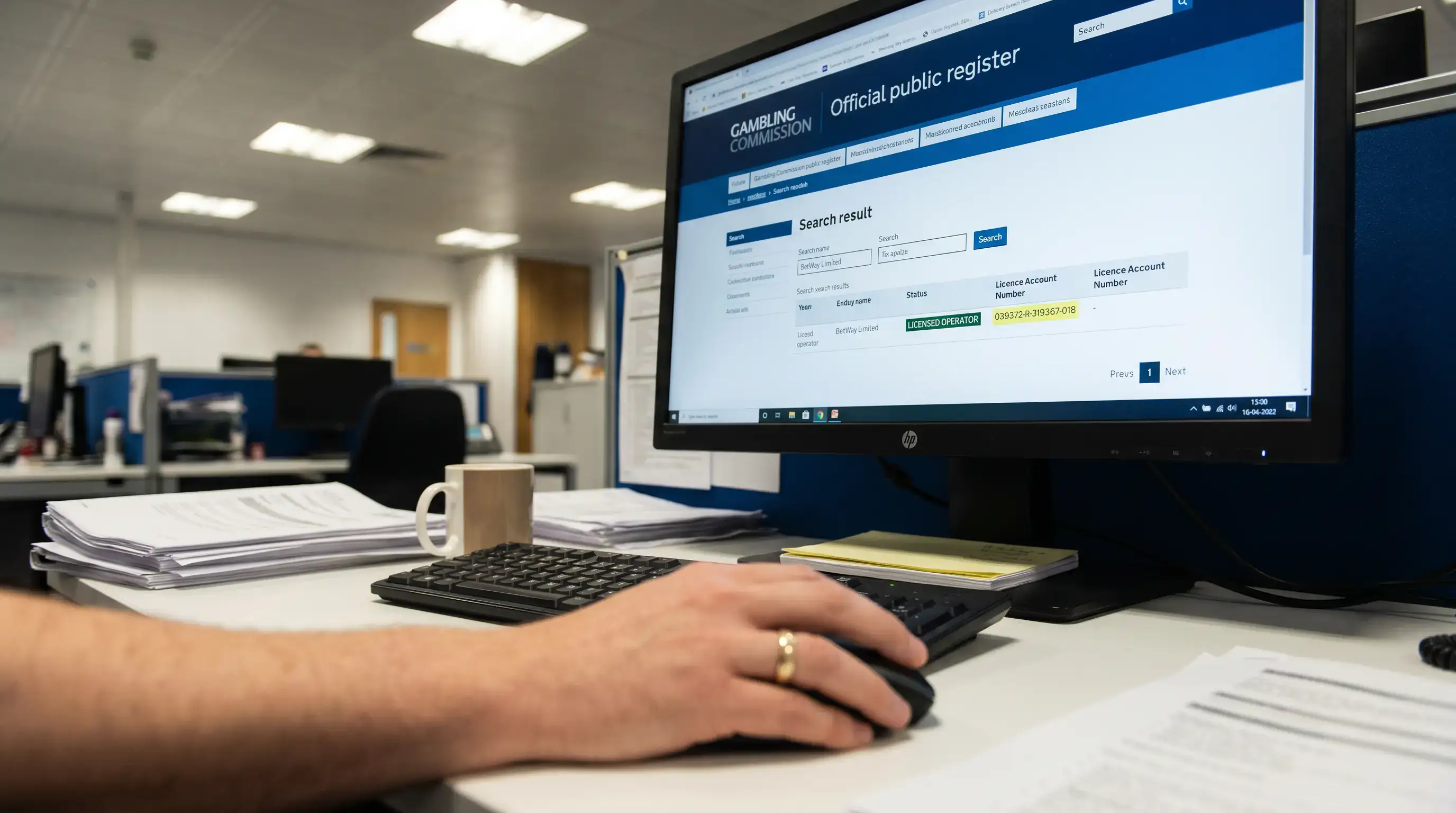
What to look for: an active “Remote General Betting (Standard) Operating Licence” is the minimum for any site offering rugby odds to UK customers. Some operators hold multiple licence types covering casino, bingo, and other products – that’s normal. What should raise concern is a licence that’s been suspended or revoked, or an operator that doesn’t appear on the register at all. If the bookmaker you’re considering isn’t listed, it isn’t licensed to operate in the UK, and any money you deposit is unprotected by UK law.
I check the licence status of any new operator before I open an account. It’s become automatic – the same way you’d check that a restaurant has a food hygiene rating before eating there. The two minutes it takes to verify are nothing compared to the risk of losing your entire balance to an unlicensed site.
Risks of Unlicensed Offshore Rugby Betting Sites
Neal Menashe, CEO of Super Group, made a pointed remark when the Remote Gaming Duty was increased to 40% in April 2026: his company supports reasonable taxation but expects robust enforcement against non-paying offshore operators. The tax increase creates a direct incentive for unlicensed sites to undercut regulated operators on price – they don’t pay UK tax, so they can offer marginally better odds and more generous bonuses. That price advantage is the bait.
The risks behind that bait are straightforward. No fund segregation means your deposit could be used for the operator’s business expenses, and if the company fails, you’re an unsecured creditor with no meaningful prospect of recovery. No ADR means disputes are resolved at the operator’s discretion, with no independent oversight. No responsible gambling requirements mean no deposit limits, no reality checks, no self-exclusion tools, and no obligation to monitor your behaviour for signs of harm.

Tax revenue from betting and gaming generated 982 million pounds in the first quarter of 2025/26 alone – an 11% increase year on year. That revenue funds public services, and operators who pay it are operating at a structural cost disadvantage compared to those who don’t. When an offshore site offers odds that seem too good to be true, you’re not getting a better deal – you’re taking on all the risk that UK regulation was designed to remove.
The enforcement landscape is tightening. The Gambling Commission has increased its focus on blocking unlicensed sites’ access to UK payment processors and internet service providers. But enforcement is reactive, and new unlicensed sites appear faster than they can be shut down. The most reliable protection is your own diligence: verify the licence, understand the integrity framework that protects the markets you’re betting into, and keep your money within the regulated perimeter.
How many bookmakers are licensed by the UKGC?
The UK betting industry includes 914 companies licensed to operate, though not all of them offer online rugby betting. The Gambling Commission’s public register lists every licensed operator, and you can search it by name or licence number to verify whether a specific bookmaker is authorised to accept bets from UK customers.
What happens if a UKGC-licensed bookmaker goes bankrupt?
UKGC licence conditions require operators to segregate customer funds from operational money. The level of protection varies between operators – some hold funds in fully separate trust accounts while others use medium-level protection. In a bankruptcy, segregated funds are returned to customers ahead of other creditors. Check the operator’s terms for their specific fund protection level.
Prepared by the Rugby Betting Sites editorial staff.