Six Nations Betting Sites: Where to Find the Widest Tournament Markets and Sharpest Match Odds
 Available in US
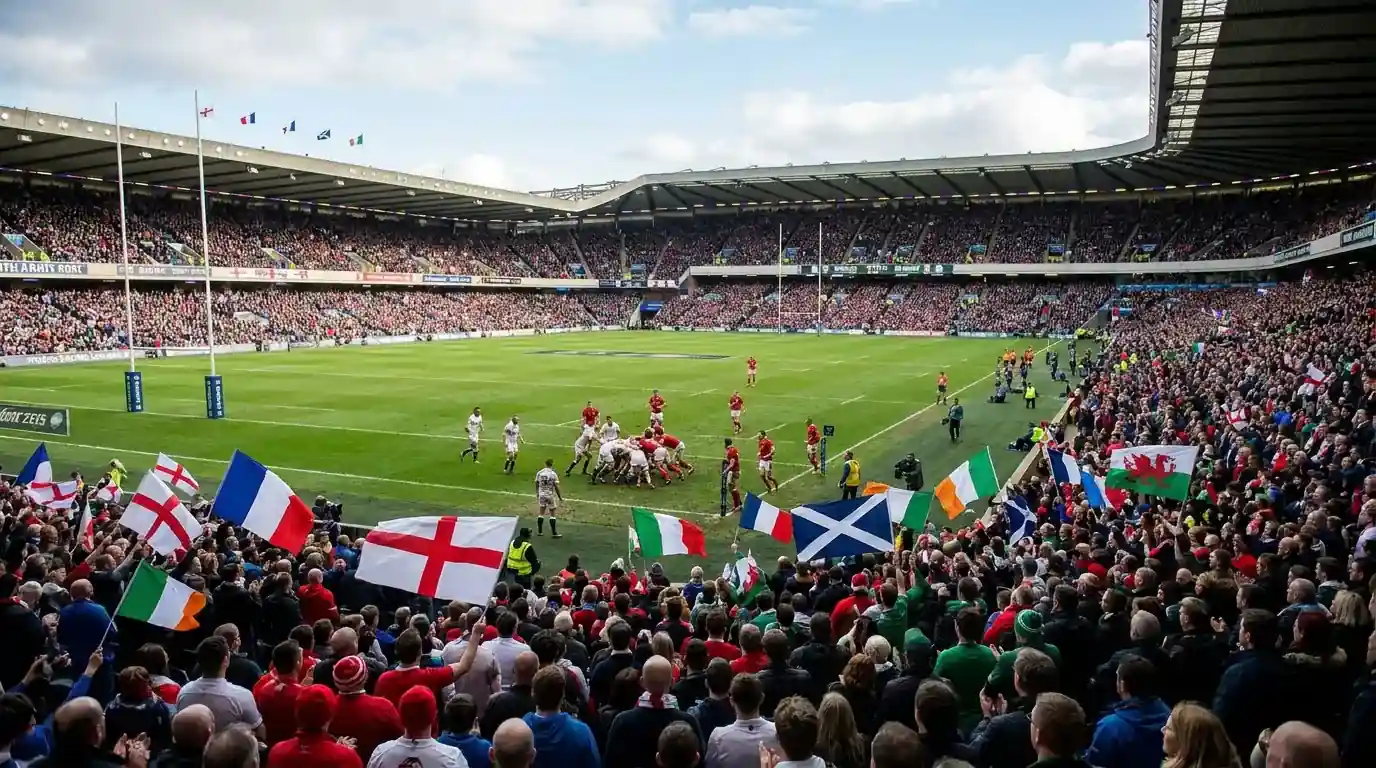
Every February, something shifts in my workflow. The spreadsheets I use to track odds movements get wider, the alert notifications on my phone triple, and I find myself cross-referencing team selections at half seven in the morning before the bookmakers have even finished pricing the weekend’s matches. The Six Nations does that – it compresses an entire season’s worth of betting intensity into five weekends spread across six weeks, and the operators know it. In 2026, the tournament was streamed nearly 15 million times on ITVX across just 10 matches, a figure that dwarfs most domestic rugby viewership numbers. That kind of eyeball count attracts casual punters, which in turn attracts bookmaker investment in deeper markets and sharper pricing.
What I’ve noticed across 11 years of tracking tournament odds is a consistent pattern: the Six Nations is where bookmakers compete hardest on rugby pricing. The margins tighten, the promotional spend spikes, and the market range expands well beyond what you’d see for a mid-season Premiership fixture. If you’re going to bet on rugby at any point in the calendar year, this is the window where the conditions tilt most in your favour.
Best Bookmakers for Six Nations Betting
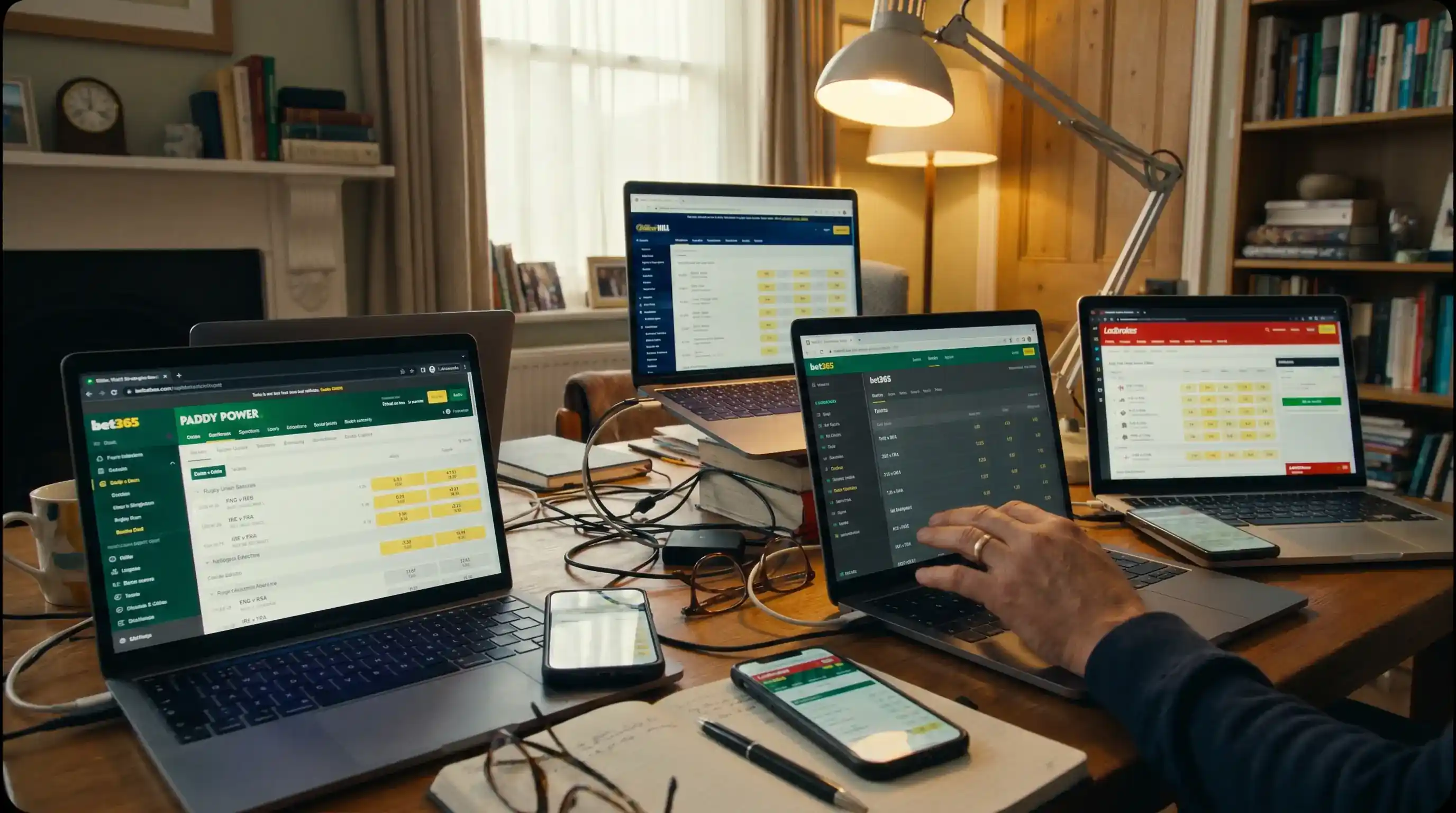
I ran into a problem last February that perfectly illustrates why your choice of bookmaker matters during the Six Nations. I wanted to back Italy to cover a +20.5 handicap line against Ireland. Three of the five sites I checked didn’t offer alternative handicap lines on the match at all – they had the standard -14.5 and nothing else. The fourth had the line but priced it at 1.72 when the fifth was offering 1.91 on the same selection. That gap, compounded across a tournament, is the difference between a profitable Six Nations and a break-even one.
The bookmakers that stand out during this tournament share three traits. First, they open their match odds early – typically 10 to 14 days before kick-off – giving you time to identify value before the market hardens. Second, they offer alternative handicap lines, not just the primary spread. Third, their outright markets extend beyond the tournament winner to include Grand Slam, Triple Crown, top tryscorer, and wooden spoon betting. I consistently find the widest Six Nations coverage at operators who also invest in live rugby data feeds, because that infrastructure translates into better pre-match pricing as well.

Tournament-specific promotions are the other lever. Acca insurance on Six Nations multiples, money-back specials on losing first tryscorer bets if “your player scores at any other time”, and enhanced odds on selected matches are standard fare during the championship. The quality varies enormously, and I’d point you toward understanding how to evaluate tryscorer betting markets before committing to any of these offers – the headline generosity often masks restrictive terms.

Six Nations Markets Beyond the Match Result
Match result betting accounts for roughly a third of my Six Nations activity. The rest sits in markets that most casual punters overlook entirely, and that’s precisely where the value lives.
Outright markets open months before the tournament. Grand Slam winner, Championship winner, Triple Crown winner, and wooden spoon recipient are the four pillars, and the pricing on these shifts dramatically between the opening odds in November and the revised lines after Round 1. I’ve tracked ante-post movements across six consecutive tournaments, and the average drift on a pre-tournament Grand Slam favourite is around 15% by the time Round 3 arrives – largely because the probability of any team winning all five matches is lower than the public perception suggests. That creates an opening for lay strategies on exchanges, or simply for backing longer-priced contenders before the tournament starts.
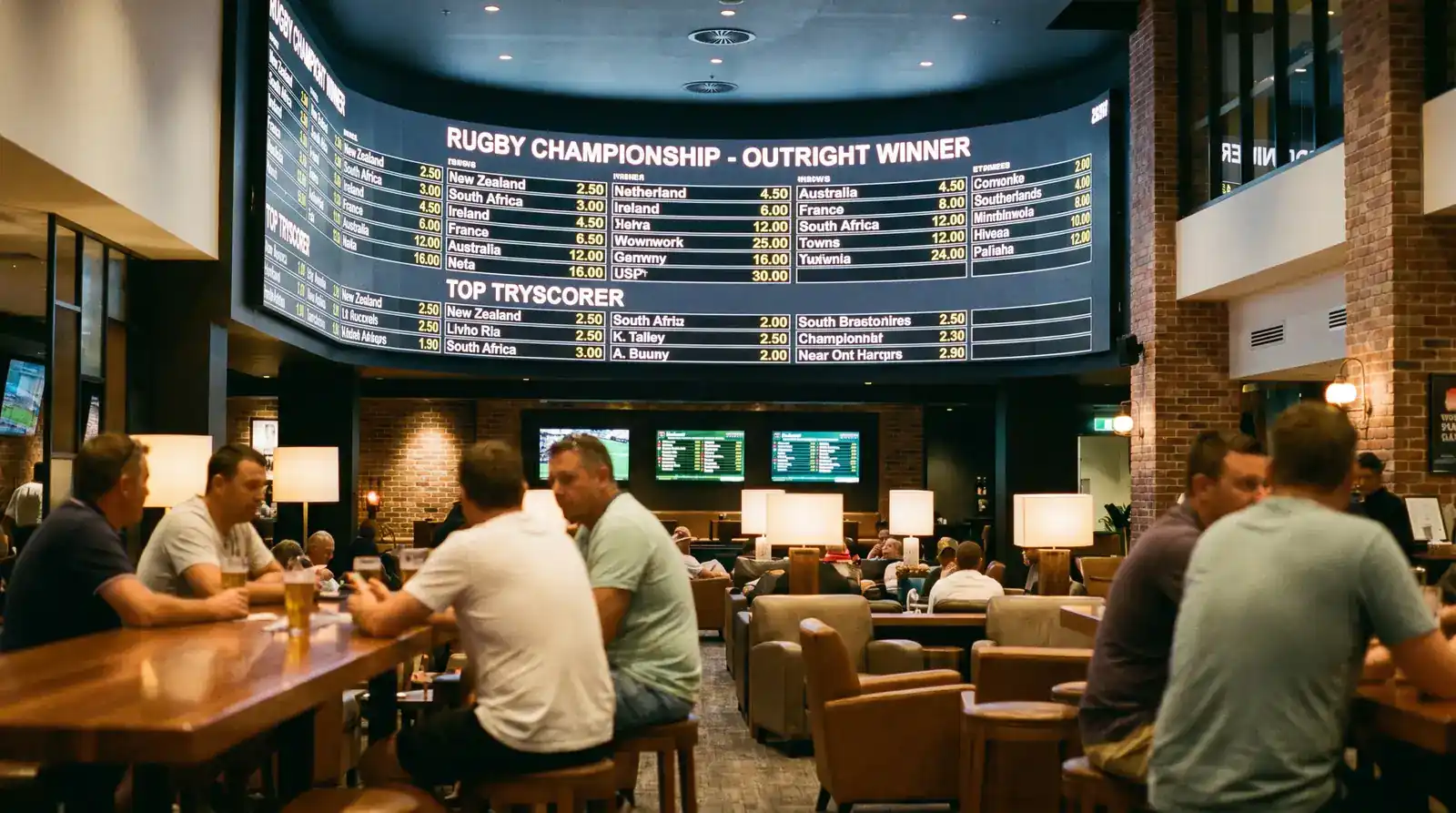
Within individual matches, the markets I return to most often are total match points, first tryscorer, and half-time/full-time result. Total points lines on Six Nations matches tend to be lower than domestic rugby – the average across the 2025 and 2026 editions sat around 42.5 points – because international defence is generally tighter and the tempo slower. The global rugby betting market exceeded 600 million euros in turnover in 2023 alone, and a meaningful portion of that volume concentrates in the Six Nations window, which keeps the lines efficient but not impenetrable.
Player prop markets have expanded significantly in recent years. Cards received, tackles made, metres carried, and penalties conceded are available at several bookmakers, though the depth drops off sharply for matches outside the headline fixture of each round. If you’re looking at Ireland versus France on a Saturday evening, you’ll find 80 to 100 individual markets. For Italy versus Scotland in the early slot, expect half that.
How Record ITVX Viewing Figures Are Shaping In-Play Demand
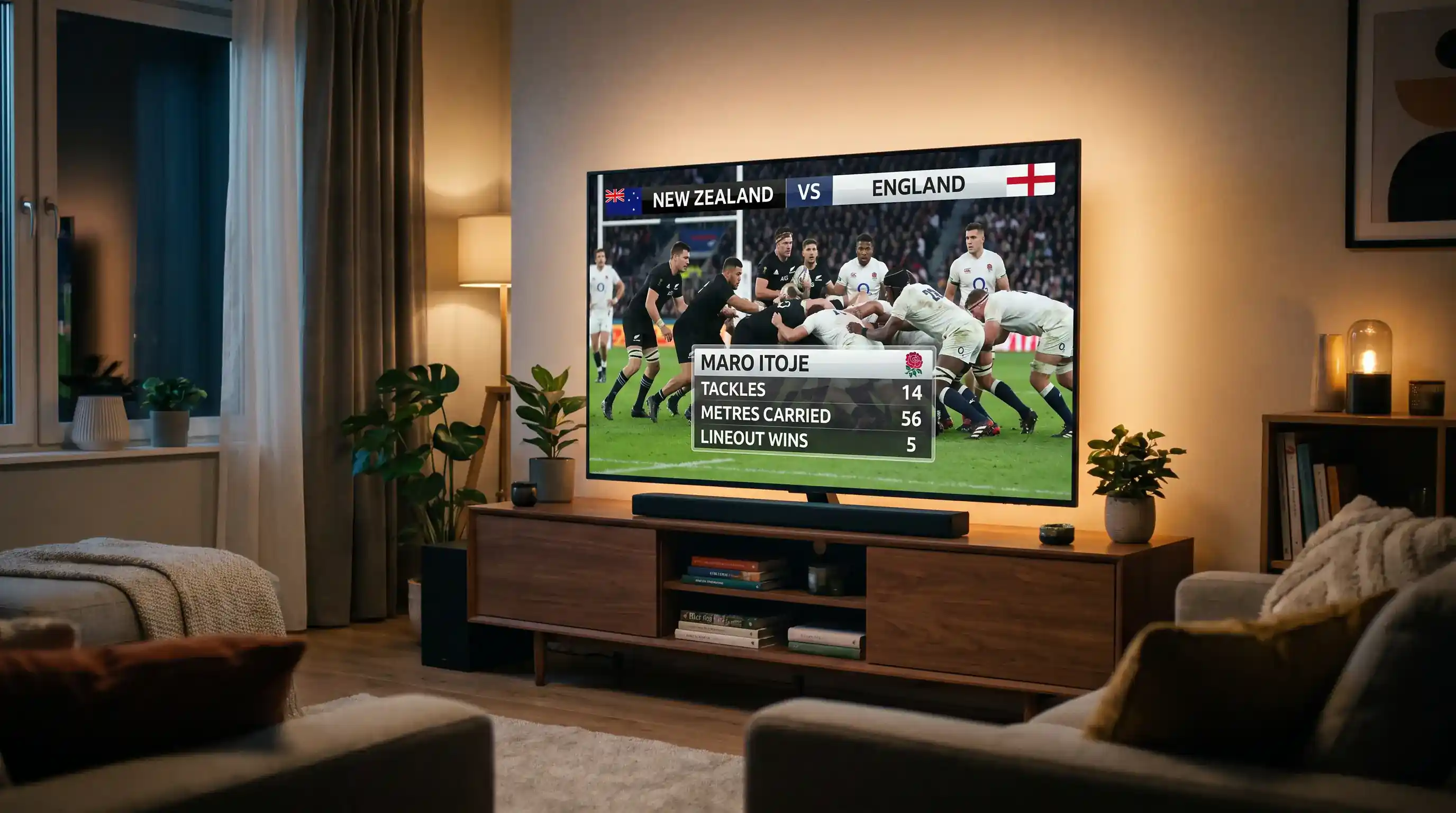
There’s a direct line between broadcast reach and in-play market depth, and the Six Nations data makes the case clearly. When nearly 15 million streams happen across a 10-match window, the bookmakers respond by widening their live market offering. I saw a noticeable jump in the number of in-play markets available during the 2026 edition compared to even two years earlier – next tryscorer, next scoring method, and live handicap markets that updated every 30 to 60 seconds rather than at set-piece intervals.
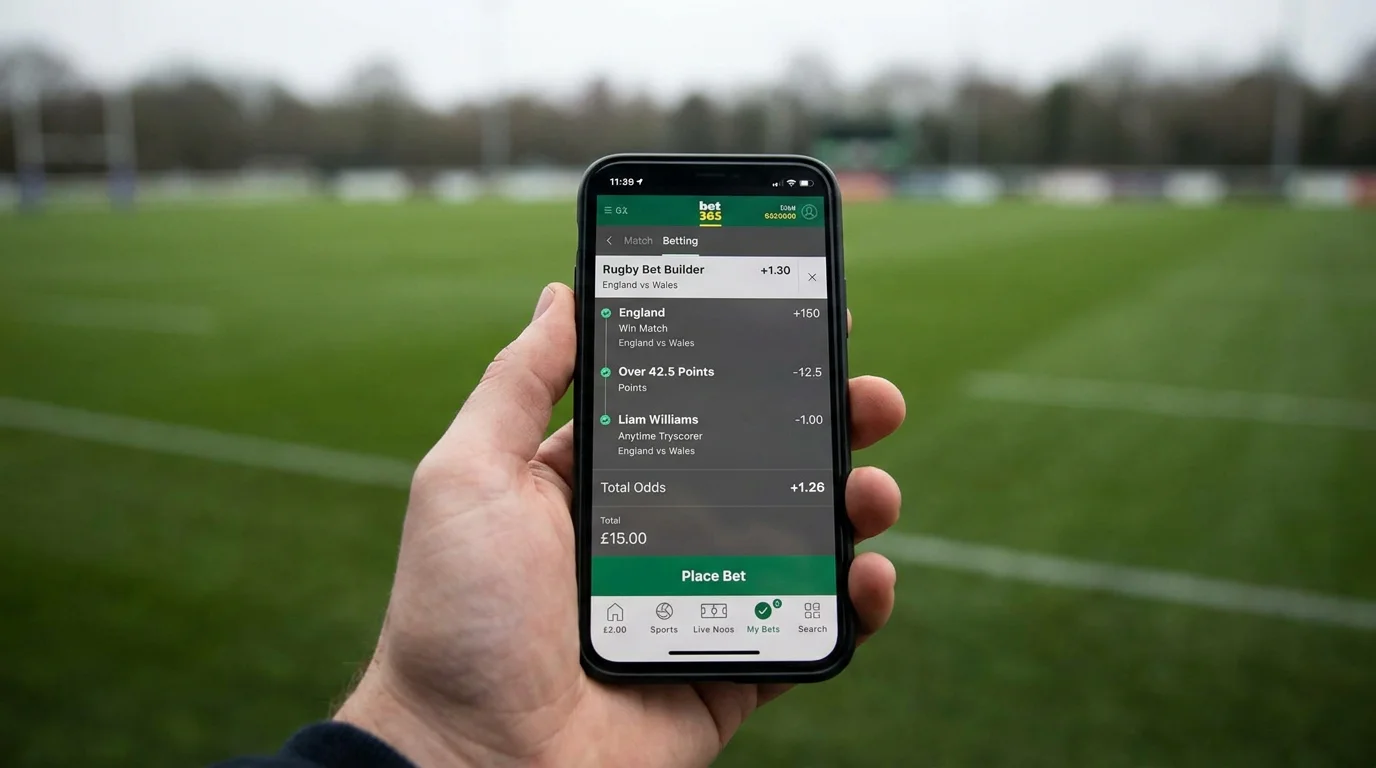
The ITVX numbers matter for another reason: they pull in a younger demographic that bets almost exclusively on mobile, in-play, and via bet builders. That shift in customer profile pushes operators to invest in faster data feeds and slicker mobile interfaces specifically for the Six Nations. I track latency on live odds updates across several platforms, and the gap between the fastest and slowest operator during the 2026 tournament was roughly four seconds on average – enough to be the difference between catching a price movement and missing it.
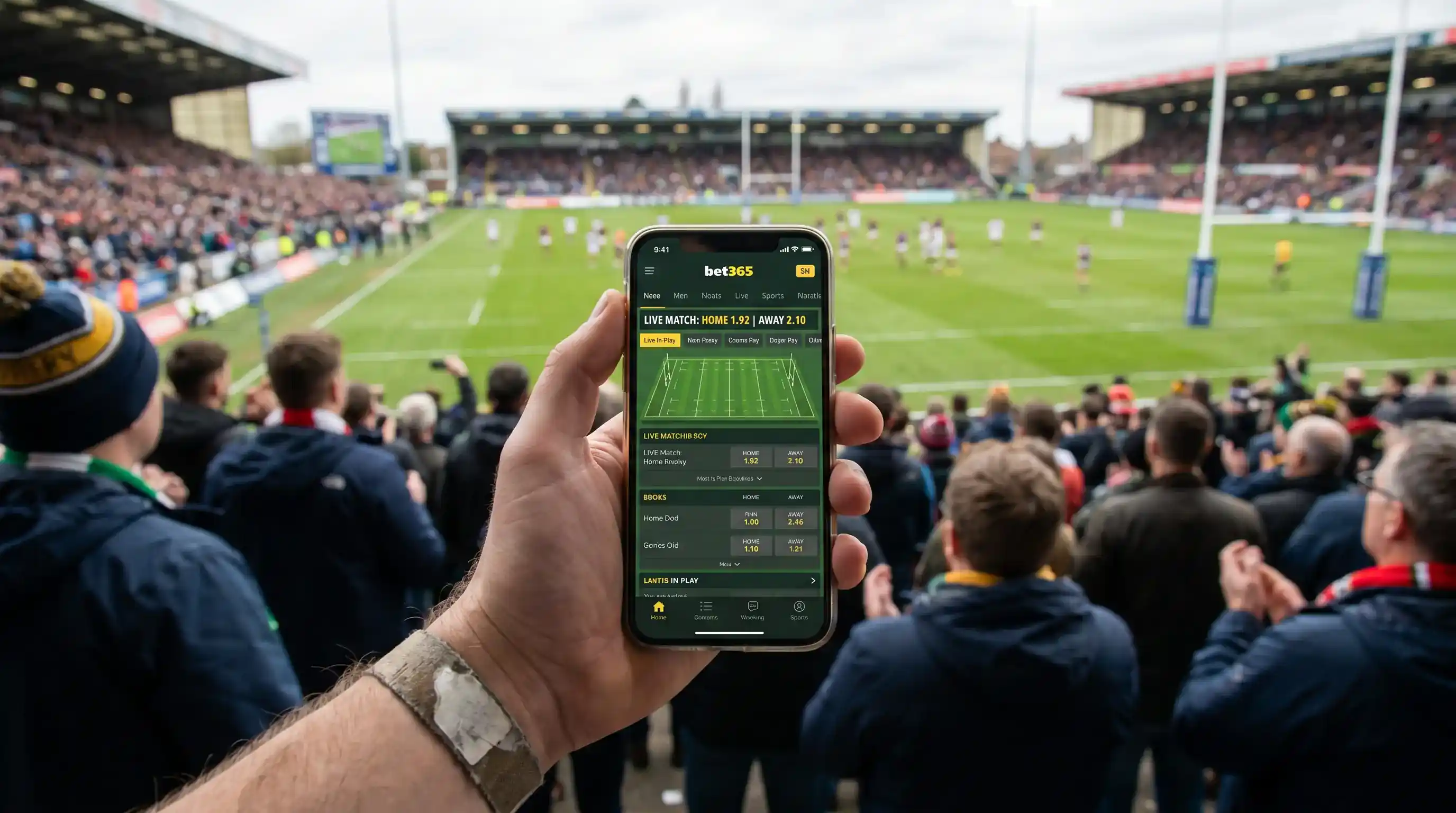
My approach during the Six Nations is straightforward: I identify two or three pre-match positions per round, then watch the opening 20 minutes before committing any in-play capital. The first quarter of an international match is where the pricing is most volatile, because the algorithms are recalibrating from pre-match models to live data, and human traders are adjusting to match tempo. If you can read territory and possession patterns in that window, the live handicap line often offers better value than anything available before kick-off.
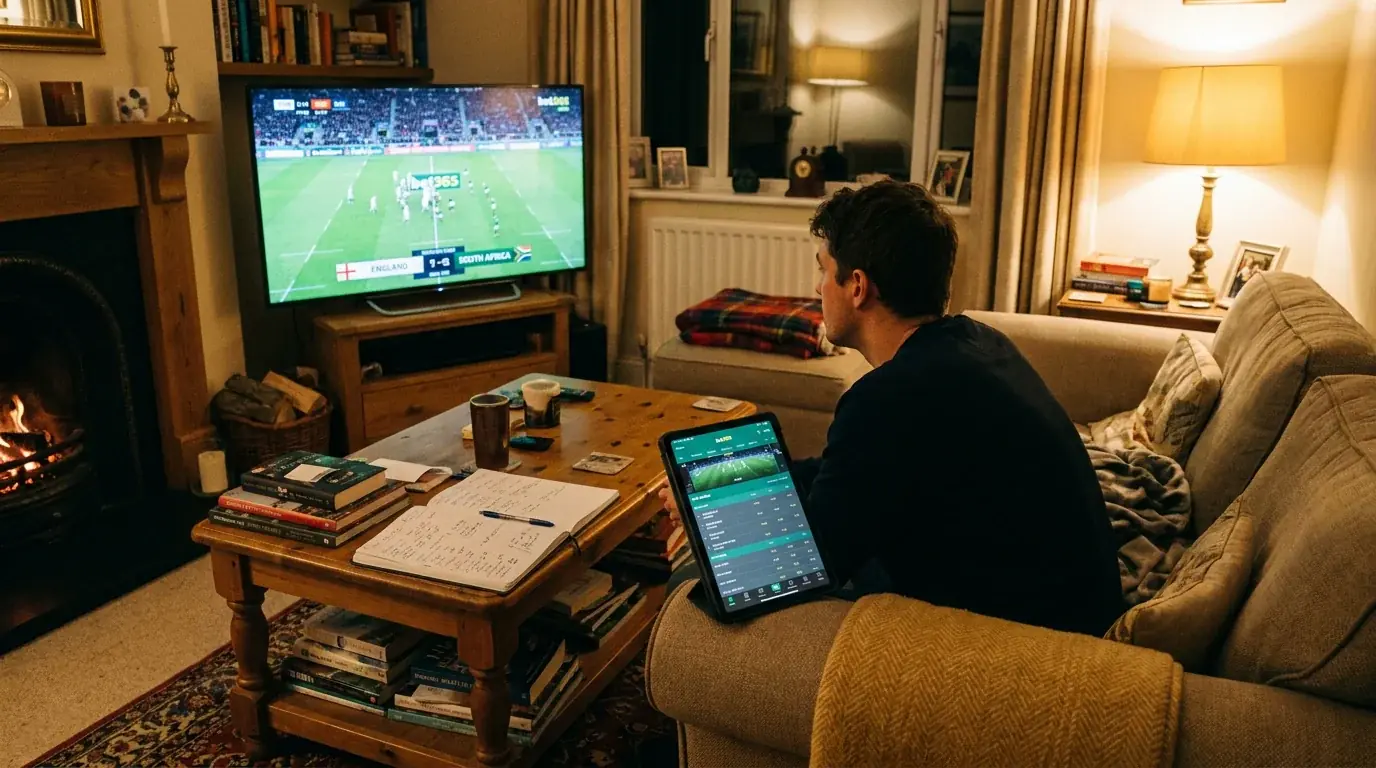
The Six Nations remains the single best period in the rugby calendar for bettors who do their homework. The combination of public interest, operator competition, and market depth creates conditions that don’t exist for any other rugby tournament outside a World Cup year. Whether your edge lies in outright markets, alternative handicap lines, or in-play timing, the six-week window demands attention.
What are the best markets for Six Nations betting?
Beyond match result, the strongest value typically sits in outright markets like Grand Slam winner and wooden spoon, alternative handicap lines, total match points, and first tryscorer. Player prop markets such as tackles made and metres carried are growing rapidly but vary in depth depending on the fixture.
When do bookmakers release Six Nations match odds?
Most major UKGC-licensed operators open match odds 10 to 14 days before each round’s kick-off. Outright tournament markets like Championship winner and Grand Slam typically appear in November, two to three months before the tournament starts in February.
Written by the editors at Rugby Betting Sites.