Rugby Tryscorer Betting: First, Anytime and Last Tryscorer Markets Demystified
 Available in US
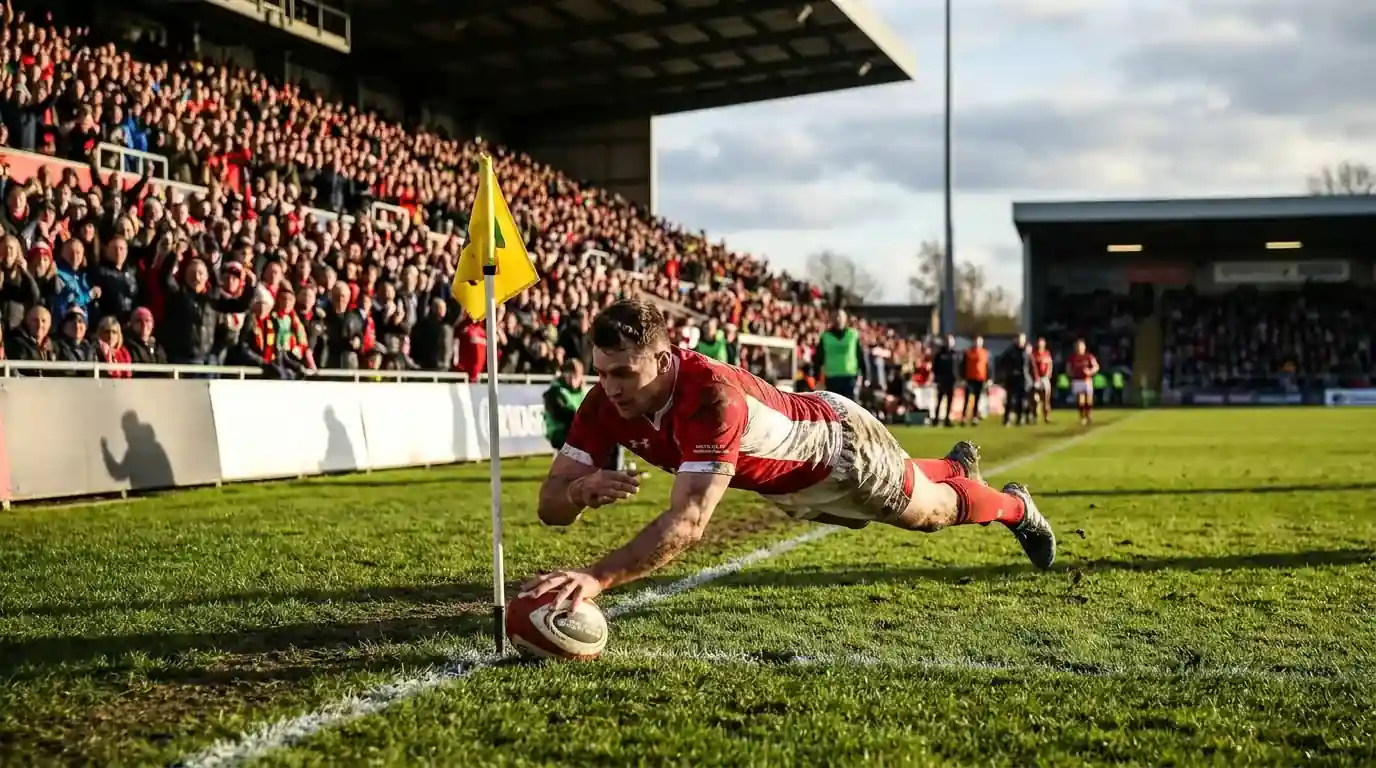
There’s a particular kind of frustration that comes with watching your first tryscorer pick get tackled into touch on the five-metre line in the opening minutes, then seeing a prop forward crash over from a rolling maul 60 seconds later. I’ve lived that scenario more times than I care to count. Tryscorer markets are the most emotionally volatile bets in rugby – high odds, high drama, and a structure that rewards understanding player roles and team patterns far more than it rewards blind guessing.
First, Anytime, Last and 2+ Tryscorer: How Each Market Works
The global rugby betting market exceeded 600 million euros in turnover in 2023, and tryscorer markets represent a growing slice of that volume as bookmakers expand their player-level offerings. Understanding which variant suits your analysis is the starting point.
First tryscorer is exactly what it sounds like: you’re backing a specific player to score the opening try of the match. The odds are highest here because you’re predicting not just who scores but when – the very first time the ball crosses the line. Typical prices for a starting winger sit between 6.00 and 10.00, with backrow forwards and centres priced wider at 12.00 to 20.00. The bookmaker’s margin on first tryscorer markets is substantial, often exceeding 30% overround, because the large number of possible outcomes lets them build in more profit.
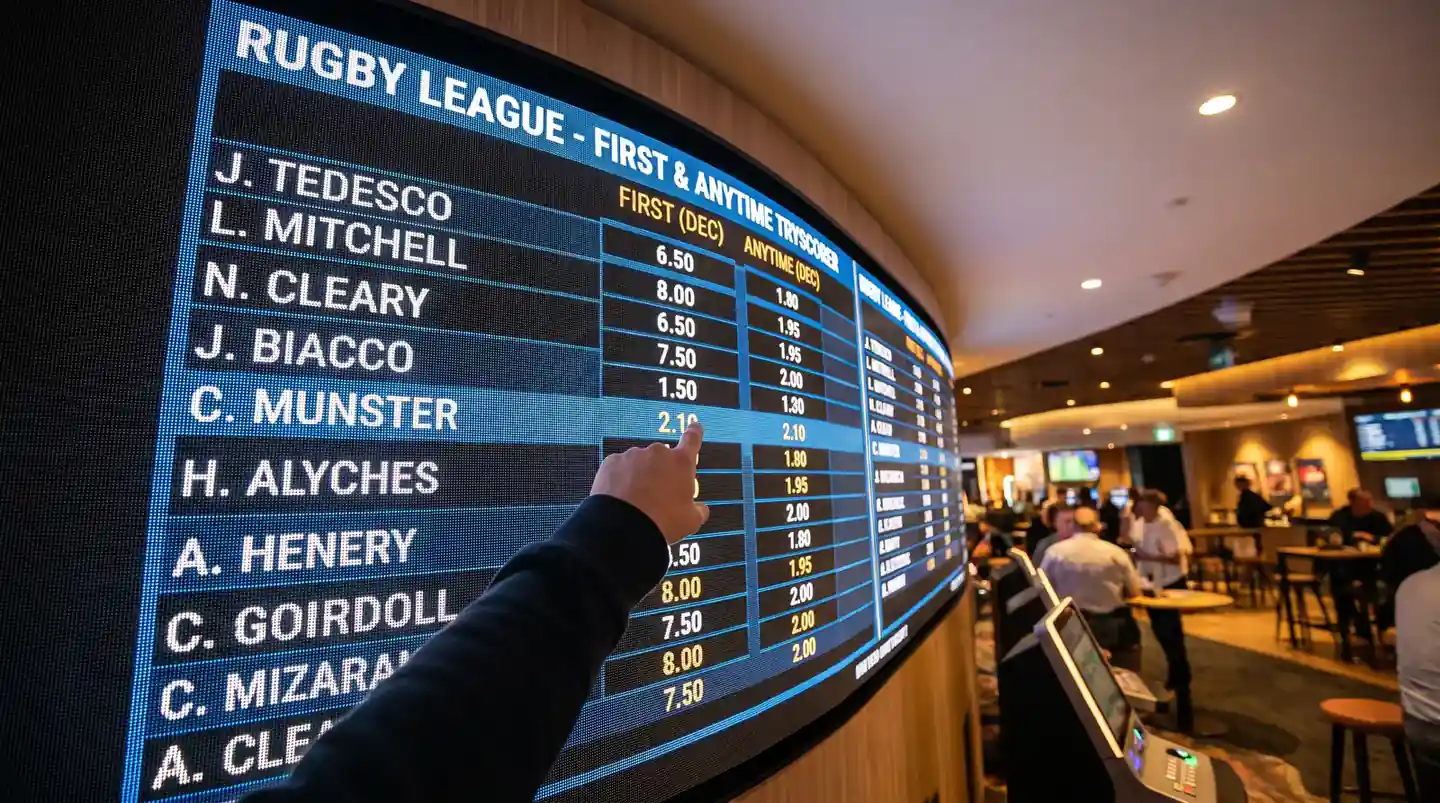
Anytime tryscorer removes the timing element. Your player just needs to score at any point during the match. The odds are naturally shorter – a winger priced at 8.00 for first tryscorer might be 2.50 to 3.50 for anytime – but the probability of winning is meaningfully higher. In my records, anytime tryscorer bets land at roughly three times the rate of first tryscorer bets on the same player, which makes the lower odds a fair trade in most cases.
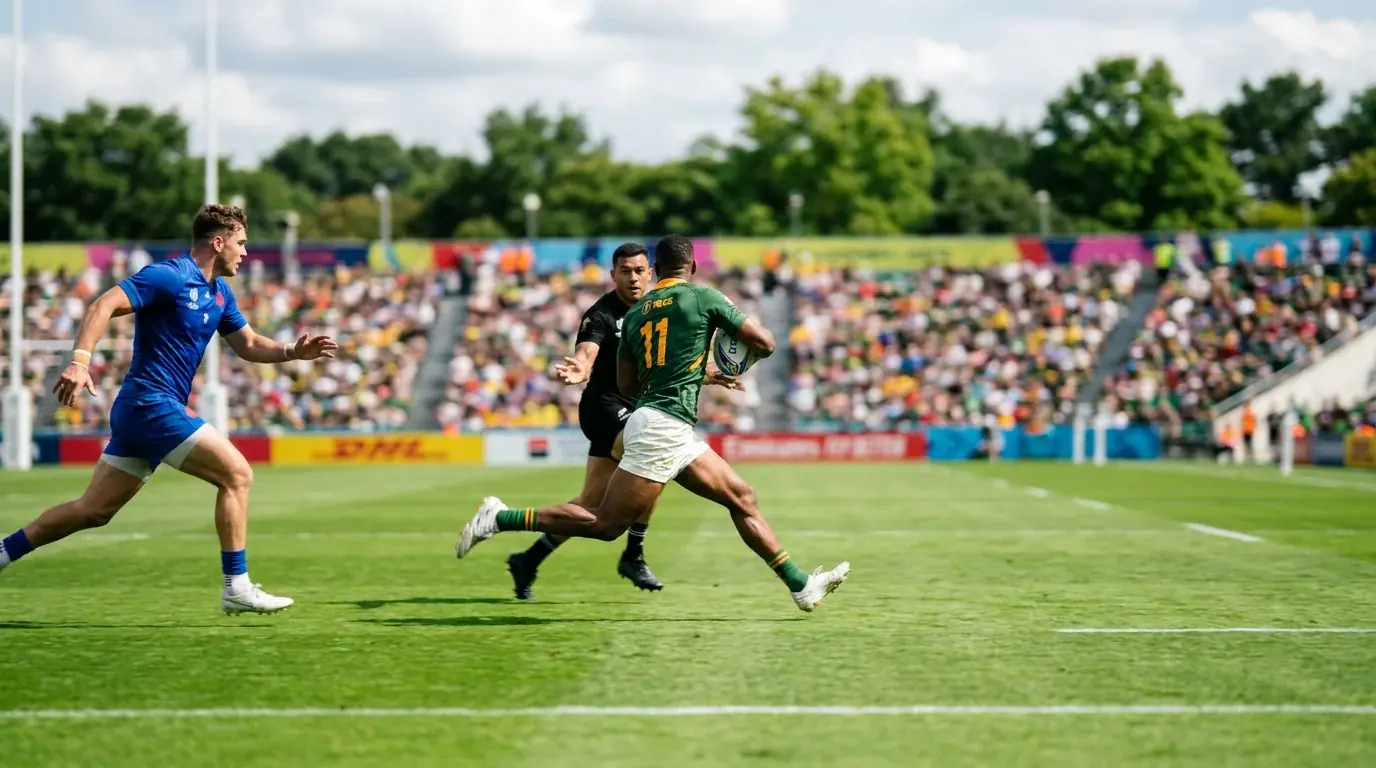
Last tryscorer is the market I see least often but find most interesting from a strategic perspective. It’s priced similarly to first tryscorer, but the dynamics are different. Late-game tries tend to come from teams chasing the match (desperation attacking) or from dominant teams exploiting tired defences. Both patterns are analysable: check which teams score the highest proportion of their tries in the final 20 minutes, and which players are still on the pitch at that stage. Substitution patterns matter enormously here – a winger who gets replaced in the 60th minute can’t score the last try.
The 2+ tryscorer market asks whether a specific player will score two or more tries. The odds are long – typically 8.00 to 15.00 for prolific wingers – and the hit rate is low. I treat this market as a high-conviction play only, reserved for fixtures where a dominant team faces a defence that has been consistently leaking tries in the same channels.
How Bookmakers Price Tryscorer Odds: Position, Form and Matchups
I spent a season reverse-engineering tryscorer pricing at three major operators, and the model is less sophisticated than you might expect. The primary input is position. Wingers and fullbacks receive the shortest odds by default, followed by outside centres, then inside centres and back-row forwards, with props and locks at the widest prices. The non-racing segment of UK sports betting – which includes all rugby markets – generated 5.05 billion pounds in 2024, and the volume of tryscorer bets within that total has grown quickly enough that operators have started investing in more granular pricing models. But the positional default still dominates.
Recent form is the second input, and this is where the pricing gets lazy. Most operators weight the last three to five matches equally, which means a winger who scored a hat-trick against a weak defence last week gets priced as if that form will carry forward regardless of the upcoming opponent’s defensive record. I track tries-per-match rates over a rolling 10-match window rather than 3 to 5, and the longer window smooths out the noise that creates mispricing in the shorter-term data.
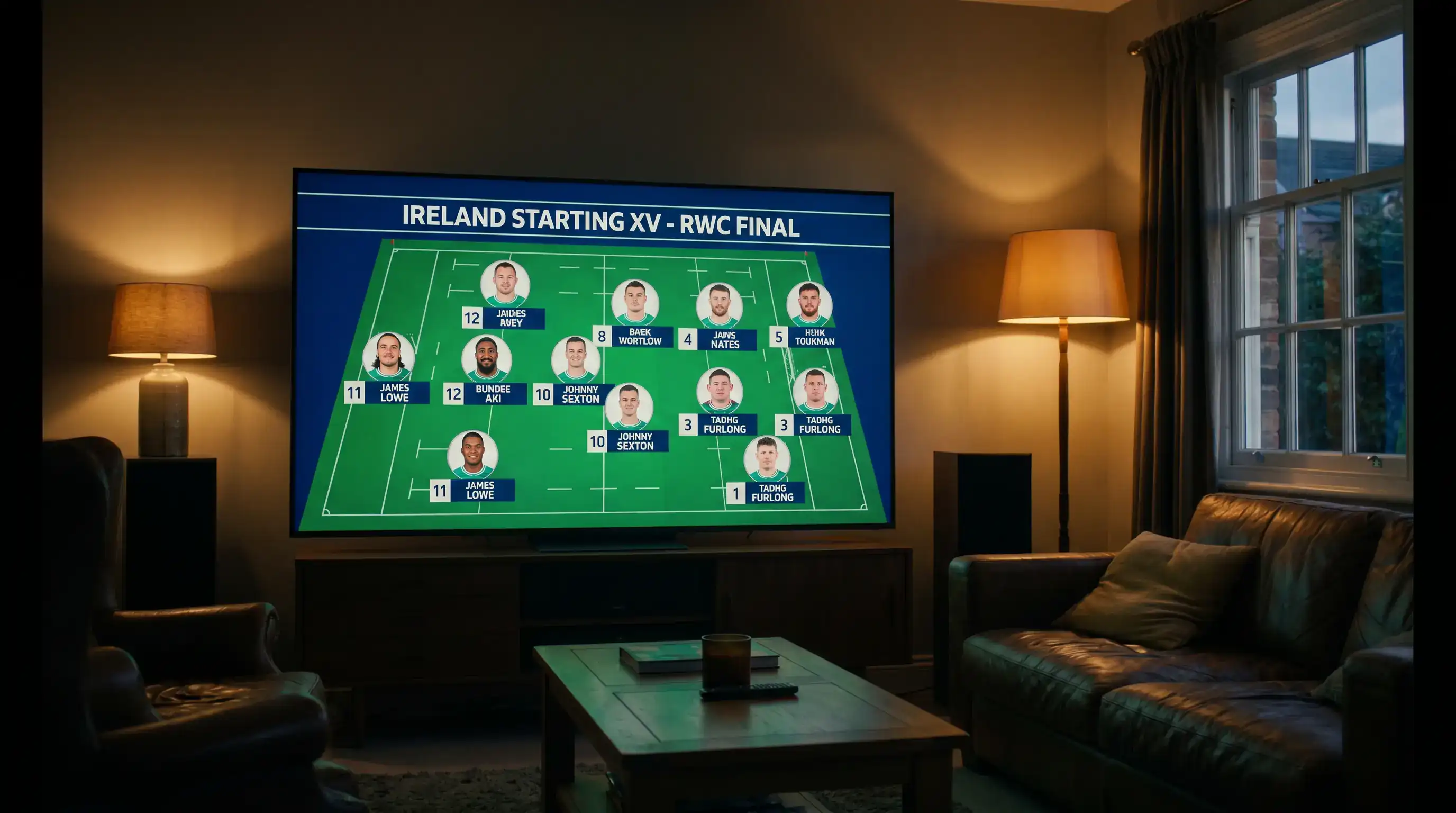
Matchup analysis is the third input, and the one most bookmakers handle worst. Which side of the field does the attacking team target? Is the opposing fullback a weak tackler under the high ball? Does the defending team compress their line, leaving space on the edges, or do they hold width and concede through the middle? These questions determine which players are most likely to score, and they’re not well captured by the position-plus-form model that most bookmakers rely on.
Finding Value in Tryscorer Markets: A Data-Driven Approach
My process for tryscorer betting starts 48 hours before kick-off, when the team sheets are confirmed. I pull up each team’s try-scoring distribution by position across the season – what percentage of their tries have been scored by wingers, centres, back-row, and front-row. Then I overlay that against the opposition’s defensive vulnerability by channel. If a team scores 40% of their tries down the left wing, and the opposition has conceded 35% of their tries down their right side (which corresponds to the attacking left), the left winger’s probability of scoring is higher than the bookmaker’s generic pricing implies.

Set-piece patterns add another layer. Teams that score frequently from rolling mauls push value toward backrow forwards and hookers, while teams that favour wide strike plays from first-phase lineout ball push value toward outside backs. I cross-reference each team’s try-scoring method (maul, scrum, first-phase, multi-phase, turnover) with the personnel in the starting XV to identify which players sit in the highest-probability channels.
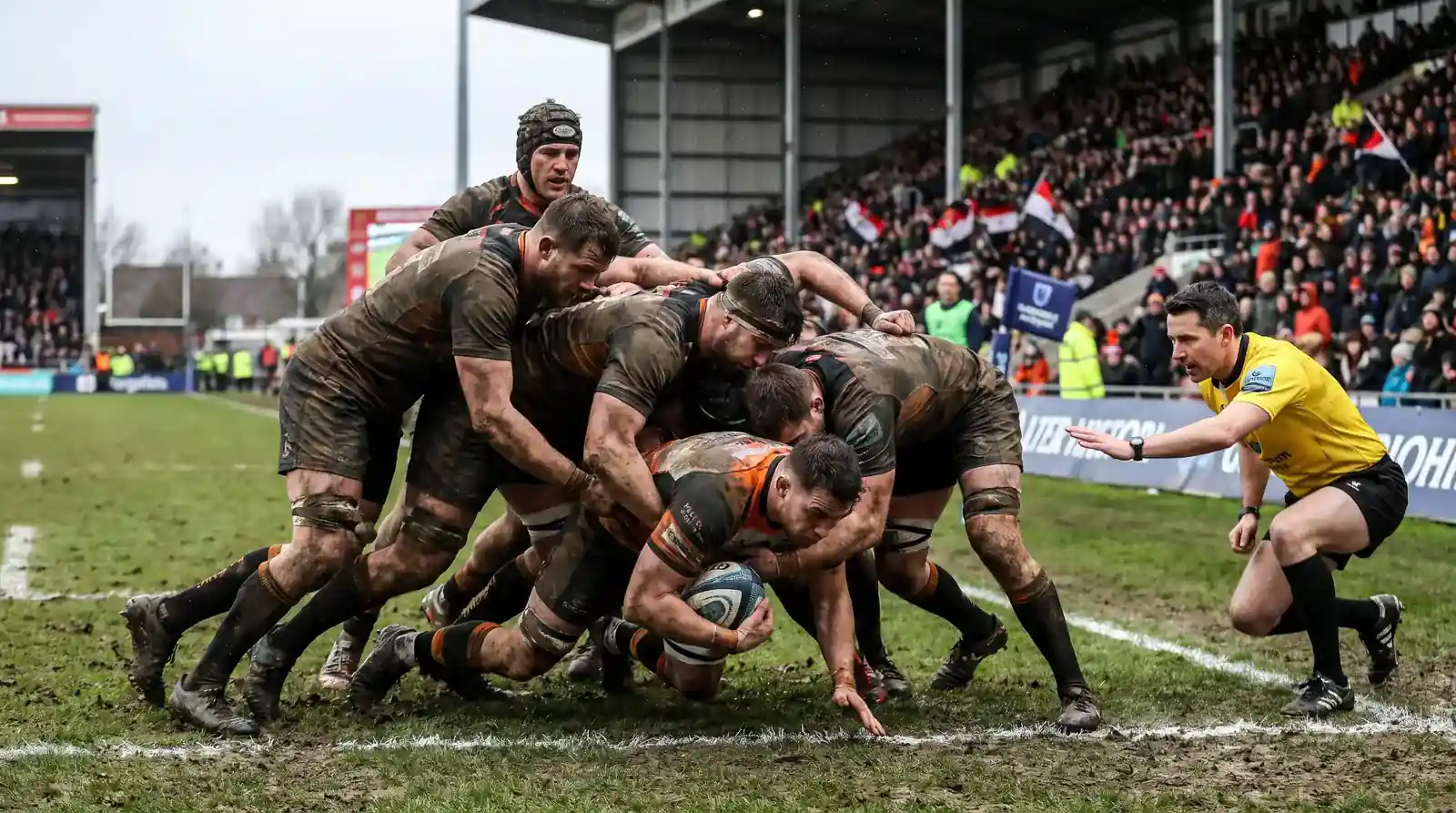
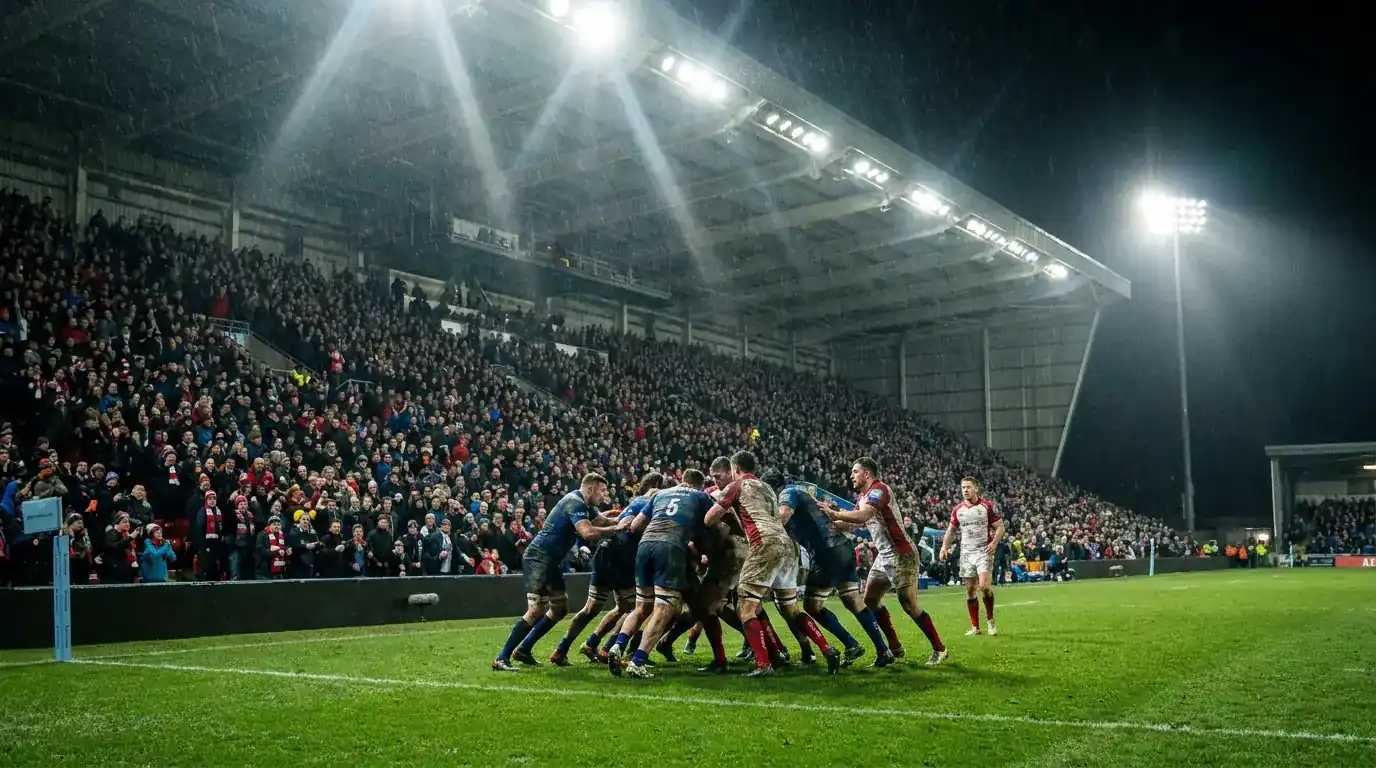
The final filter is conditions. Wet weather compresses tryscorer value toward forwards, because the handling errors increase and teams default to pick-and-go and maul-based attacks. A dry track with no wind favours the backs, particularly on grounds with hard, fast surfaces. I check the forecast for every venue and adjust my tryscorer selections accordingly.
One thing I never do is back a first tryscorer at short odds. If a winger is priced below 6.00 for first tryscorer, the market is telling you something – namely, that the public money has piled in and shortened the price beyond its value. I’d rather take the same player anytime at 2.50, or look further down the card at a total points market where the pricing inefficiency is less picked over.
What does ‘first tryscorer’ mean in rugby betting?
A first tryscorer bet requires your selected player to score the very first try of the match. If any other player scores before them, the bet loses regardless of whether your pick scores later. The odds are higher than anytime tryscorer because you are predicting both the player and the timing of the score.
Are anytime tryscorer bets better value than first tryscorer bets?
In most cases, yes. Anytime tryscorer bets land at roughly three times the rate of first tryscorer bets on the same player, and the odds reduction is typically less than proportional. The effective margin on anytime tryscorer markets also tends to be lower than on first tryscorer, making it a more efficient market for value-seeking bettors.
Published by the Rugby Betting Sites team.