How to Bet on Rugby Union: Scoring Rules, Match Flow and the Markets They Create
 Available in US
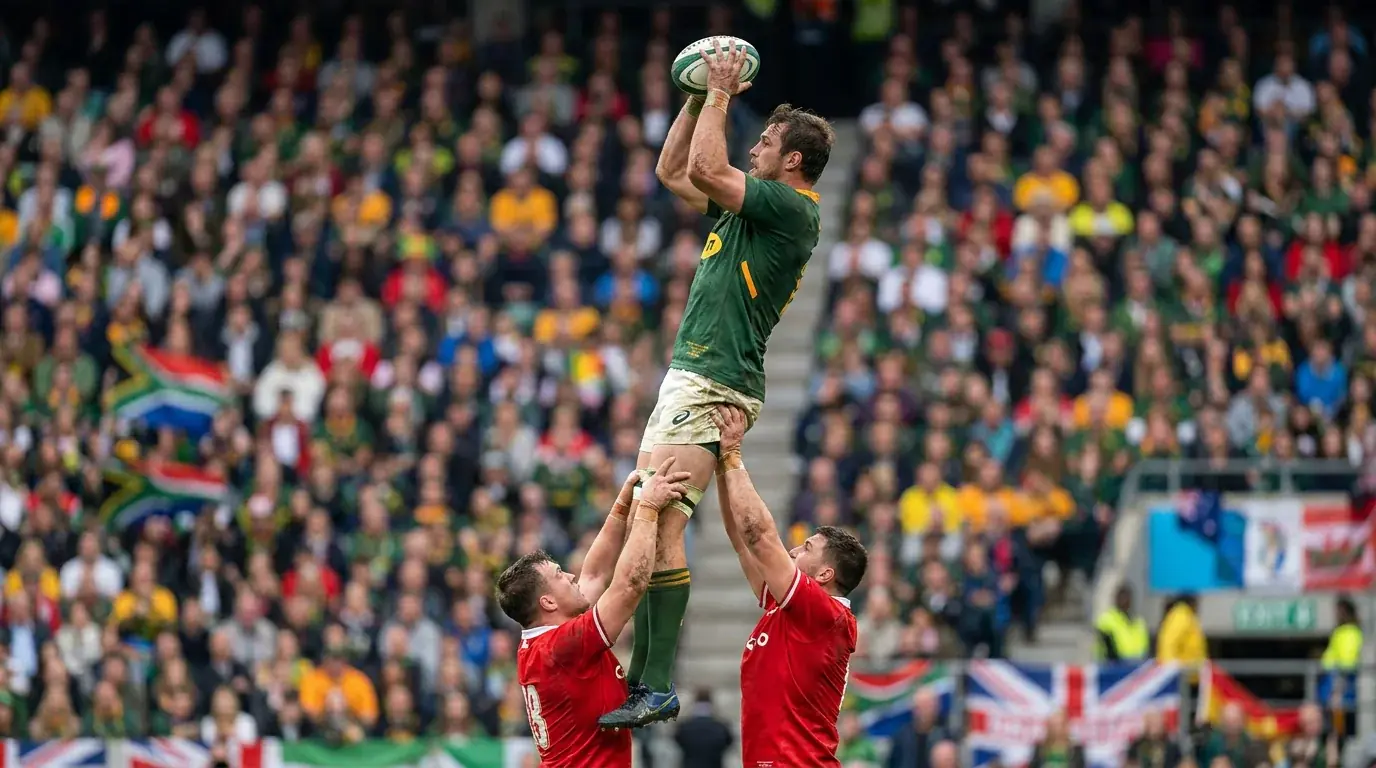
A friend asked me last autumn to explain rugby union betting over a pint. He’d been betting on football for years – comfortable with match result, both teams to score, Asian handicaps – and assumed rugby would slot in neatly alongside. Twenty minutes into my explanation of how bonus points work, why a converted try is worth seven points but a penalty try is awarded differently, and how the scrum creates market opportunities that don’t exist in any other sport, he ordered a second pint and said he’d need to take notes. He wasn’t wrong. Rugby union betting is richer than most sports precisely because the game’s rules create scoring patterns and tactical dynamics that generate unique markets. Understanding those rules isn’t optional – it’s the foundation.
Union Scoring and Rules Every Bettor Needs to Know
Rugby union is a 15-a-side game played in two 40-minute halves. Premiership attendance in 2023/24 reached 1,428,276 spectators across the season, an average of 15,358 per match, and that audience watches a sport with five distinct scoring methods. A try is worth 5 points and is scored by grounding the ball over the opposition’s try line. A conversion, kicked after a try, adds 2 points. A penalty kick is worth 3 points. A drop goal, kicked from open play, is also worth 3 points. A penalty try, awarded when the referee judges a try would have been scored but for foul play, is worth 7 points with no conversion attempt needed.
Why does this matter for betting? Because the mix of scoring methods shapes total points lines and creates markets that don’t exist in other sports. A team that dominates territory but can’t break through the try line might accumulate points through penalties – three at a time rather than five or seven. That team will often lose on the tryscorer markets while winning the match, and the total points will sit in a different band than if the same dominance had produced tries. Knowing the likely scoring method for each team is the first analytical step before you even look at the odds.

The bonus-point system in competitions like the Premiership adds another layer. Teams earn a bonus point for scoring four or more tries in a match, and a losing bonus point for losing by 7 or fewer points. Those thresholds directly affect how teams play in the final 20 minutes. A team trailing by 10 points with 15 minutes left in a mid-table fixture will often shift their approach from trying to win to trying to secure the losing bonus point – which means they’ll play tighter, kick penalties, and avoid the risky offloads that might produce tries but also turnovers. That behavioural shift is visible in the live betting markets if you know what to look for.
How Union Match Flow Translates into Betting Opportunities
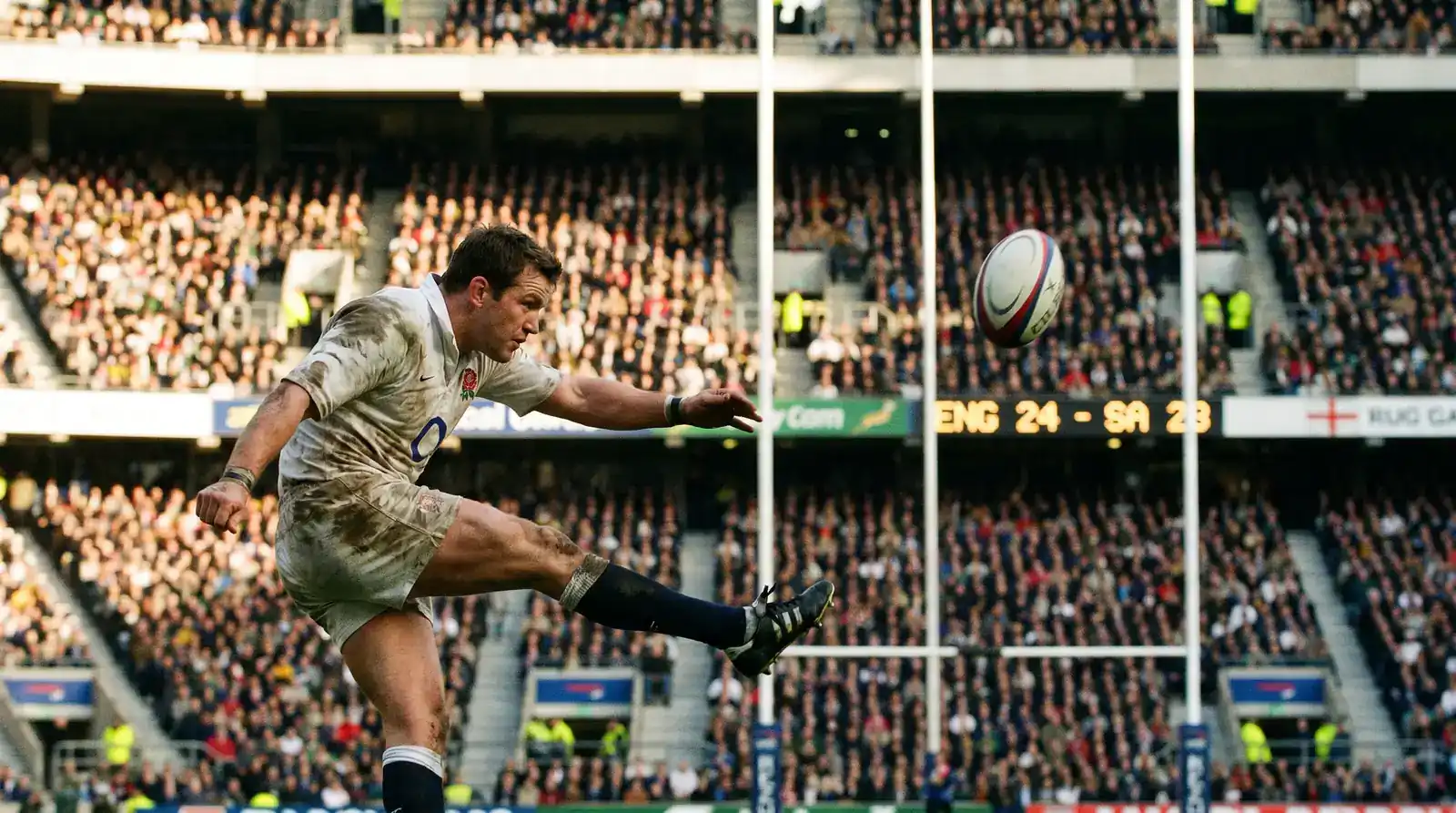
Rugby union has a rhythm that no other team sport quite replicates, and it creates in-play opportunities that are structurally different from football or cricket. The game alternates between phases of sustained pressure – where one team holds territory through repeated phases of possession – and sudden transitions through turnovers, intercepts, and kick-chase regains. Those transitions produce scoring events that can swing the live odds dramatically within seconds.
The set piece is where union differs most from league for betting purposes. Scrums and lineouts are contested events where the ball can change possession, and their outcomes influence the markets in real time. A team that’s dominant at scrum time will earn penalties that translate into three-point scoring opportunities, and their scrum success rate is a leading indicator of total match points. I track scrum and lineout win percentages for every Premiership team and use them as inputs for my total points models – a team winning 90% of their own scrums and 15% of opposition scrums will create more scoring pressure than the match odds alone suggest.

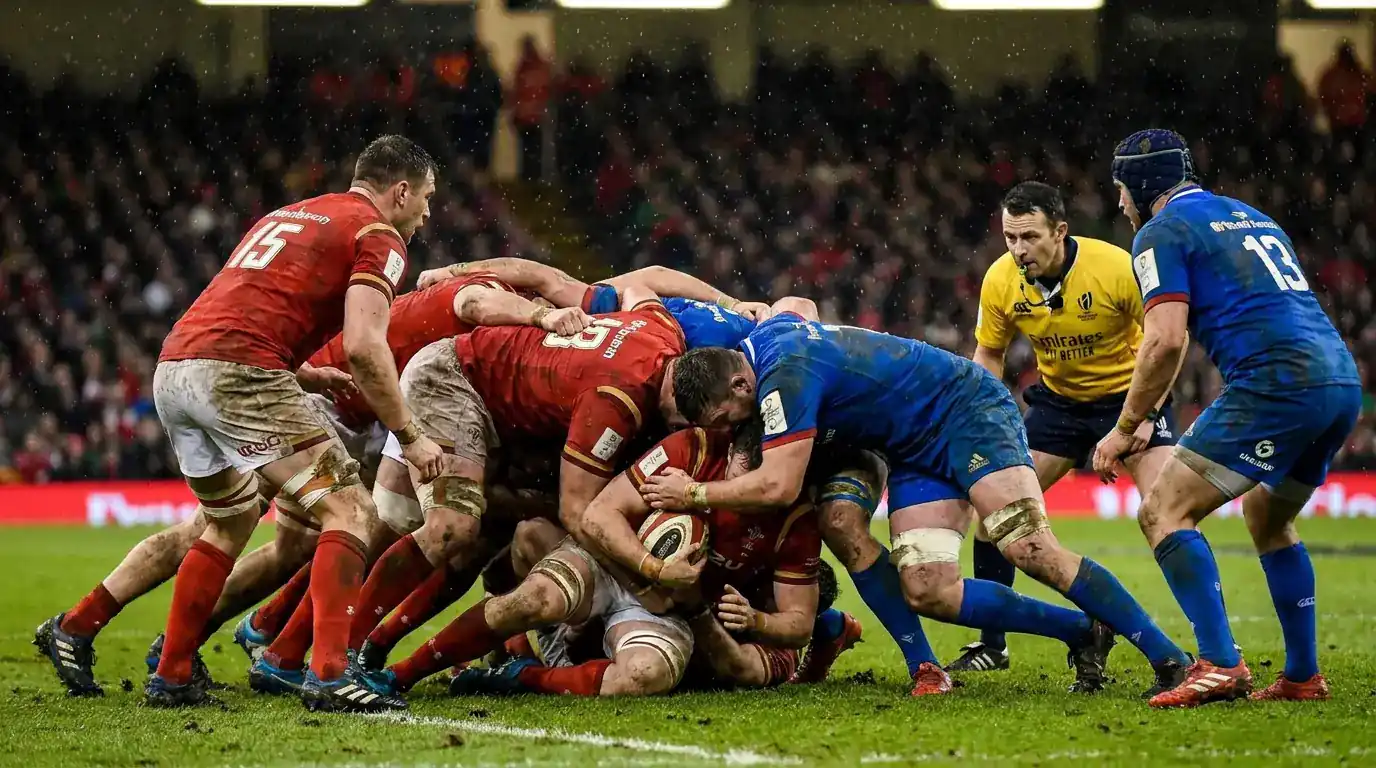
The breakdown – the contest for the ball after a tackle – is the other union-specific dynamic that creates betting opportunities. Teams with strong jackaling back-rowers force penalties and turnovers at the breakdown, which both slows the game down (reducing total points) and generates territory gains that can lead to tries. If you’re betting on over/under total points, understanding each team’s breakdown efficiency is essential. Two defensively dominant teams with elite jacklers will produce a low-scoring, penalty-heavy match that pushes the total under. Two teams with fast, wide attacking styles and weaker breakdown presence will produce a higher-scoring, more open contest.
Placing Your First Rugby Union Bet: A Walkthrough
Since October 2025, all UK operators have been required to offer customers the option of setting a financial limit before making their first deposit. That’s not a hurdle – it’s a useful guardrail, and I’d encourage every new bettor to set one that reflects their entertainment budget, not their income. The limit is yours to choose, and it can be adjusted later, but starting with a defined boundary is the single best habit you can build from day one.
The mechanics of placing a bet are straightforward. Select a rugby union match from the operator’s fixture list. Choose a market – match result is the simplest starting point. Click or tap the odds for your selection, and the bet appears on your bet slip. Enter your stake, review the potential return, and confirm the bet. The entire process takes under 30 seconds.

My recommendation for anyone placing their first rugby union bet is to start with a match-result single on a fixture where you have some knowledge of the teams involved. Avoid accumulators, avoid exotic markets, and avoid in-play betting until you’ve watched enough rugby to read the flow of a match. The learning curve is steeper than in football, because the scoring system is more complex and the tactical nuances take time to absorb. But that complexity is also what makes rugby union betting rewarding – the barriers to entry keep the markets less efficient than football, which means there’s more value available for anyone willing to invest the time in learning.
How does the bonus-point system in rugby union affect betting?
The bonus-point system directly influences team behaviour in the closing stages of matches. Teams chasing a four-try bonus point will attack more aggressively, potentially increasing total points and try count. Teams seeking a losing bonus point by staying within 7 points will play conservatively. Both patterns create exploitable shifts in live betting markets.
What is the minimum stake for a rugby union bet?
Most UKGC-licensed bookmakers set minimum stakes at between 0.10 and 1.00 pounds, depending on the operator and market type. Some operators allow 0.01 pound minimum stakes on bet builder products. The minimum applies per bet slip, not per selection within an accumulator.
Published by the Rugby Betting Sites team.