Rugby In-Play Betting Tips: Reading Momentum, Reacting to Cards and Timing Your Entries
 Available in US

The best in-play rugby bet I ever placed was a live handicap on England during a Six Nations match where they trailed by 10 points at the break. The half-time odds had overcorrected – the market priced England as if the deficit was a reflection of quality, when the first-half data showed they’d dominated territory and possession but butchered three clear try-scoring opportunities. I backed England +3.5 at half-time, and they won the second half by 17 points. The market had read the scoreboard and missed the story. That gap between narrative and numbers is where in-play value lives.
Reading Match Momentum: Territory, Possession and Penalty Count
Major League Rugby in the United States recorded a 25% revenue increase after integrating a single-screen betting experience through live data technology, and that stat reflects a broader truth: live betting is growing because the data to support it is becoming richer and faster. In UK rugby, the in-play markets are fed by live data on territory percentage, possession percentage, tackle counts, carries, and penalties – and knowing how to read those feeds gives you an edge over the algorithm-driven pricing.
Territory percentage is my primary momentum indicator. I weight it more heavily than possession because a team can have 60% possession while camped in their own half, which tells a very different story than 40% possession with most of it in the opposition 22. When a team controls 55% or more of territory over a sustained 15-minute period, the live handicap line tends to lag behind the actual probability shift by two to three minutes. That delay is the window I exploit.
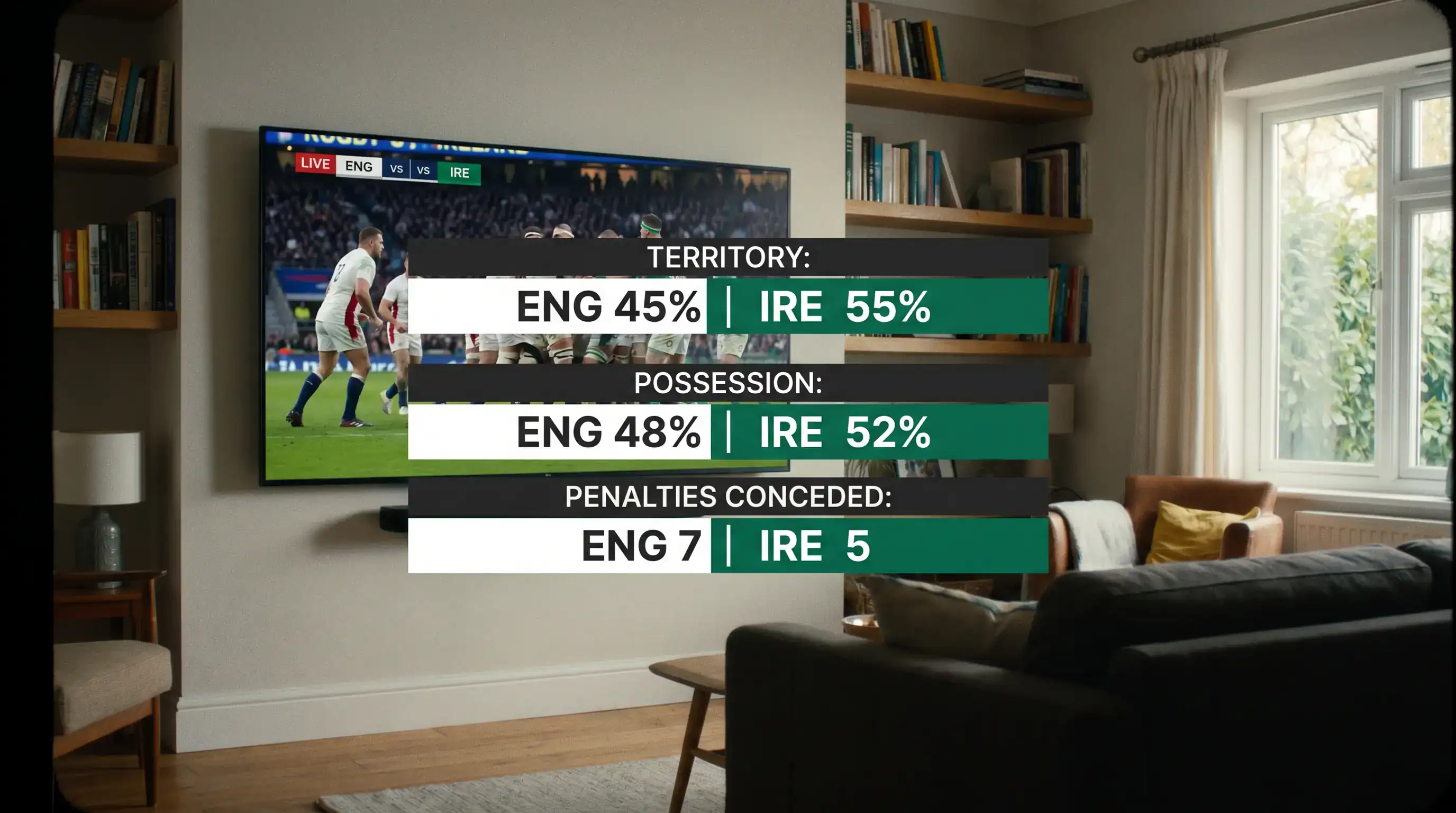
Penalty count is the second indicator I watch in real time. A team conceding a high rate of penalties in the first 20 minutes is typically under physical pressure – their tackle technique is off, their breakdown discipline is poor, or the referee has established a low threshold that will persist throughout the match. Three or more penalties conceded in the opening quarter shifts the live total points upward and pushes the match-result odds against the penalising team. If the bookmaker hasn’t fully adjusted, there’s an entry point.

Possession cycling speed – how quickly a team moves through their phases – correlates with scoring probability. A team that’s completing 8 to 10 phases in 90 seconds is building pressure. A team that takes 3 minutes to complete the same number of phases is playing at a tempo that allows the defence to reset. Faster phase play in the opposition 22 is a live indicator that a try is imminent, and the next tryscorer market often doesn’t adjust quickly enough to reflect the building pressure.
How Cards, Substitutions and Injuries Shift In-Play Odds
A yellow card in rugby removes a player for 10 minutes. That’s 12.5% of the match, and the numerical disadvantage is significant: teams reduced to 14 men concede tries at roughly twice the rate of the preceding period, based on my tracking of Premiership yellow cards over the past four seasons. The live odds adjust immediately when a card is shown, but the adjustment is often miscalibrated.
The position of the carded player matters enormously. A yellow card to a loosehead prop forces an uncontested scrum, which reduces the opposition’s ability to generate penalty opportunities but also removes a key platform for attacking play. A yellow card to a back-three player opens space on the edges that the 14-man team struggles to cover. The live odds treat all yellow cards with similar severity, but the actual impact varies by 30 to 40% depending on the position involved.
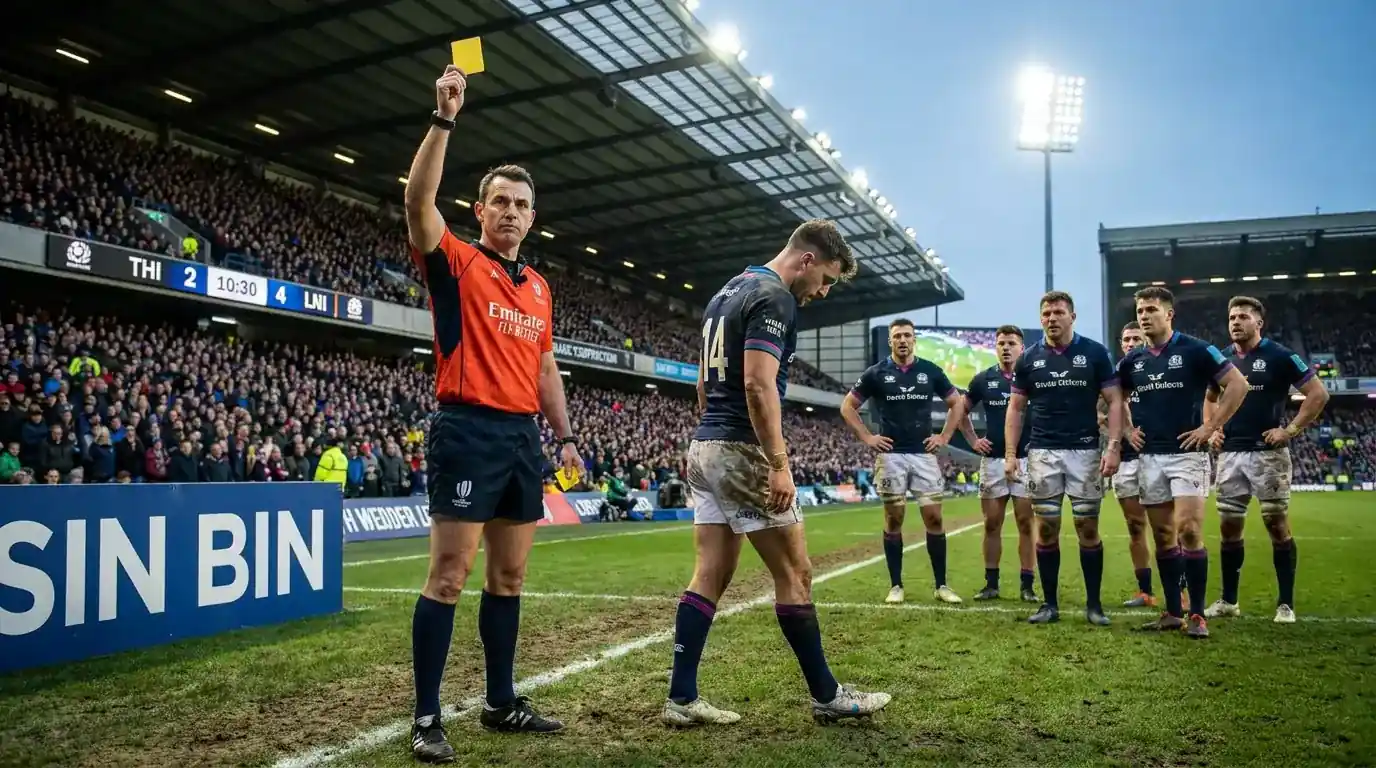
Substitutions in the 50th to 60th minute represent another in-play trigger. When a team’s coaching staff empties their bench early, it signals either a tactical shift or desperation. Front-row substitutions in particular affect the scrum, which cascades into the penalty count and territory battle. I track which coaches make early substitutions as an aggressive tactical move versus those who do it because their starters are struggling, and that distinction helps me interpret the live odds movement that follows.

Injuries to key players – particularly the fly-half or scrum-half – produce the sharpest in-play odds movements. If a starting 10 goes off with a head injury assessment in the first half, the live handicap line can shift by 4 to 6 points within seconds. That’s often an overreaction, especially if the replacement fly-half is a competent international-level player rather than a third-choice rookie. The market prices the downgrade based on reputation, not on the actual quality gap between the two players.
Entry Points: When to Place Your In-Play Rugby Bet
Live betting accounts for around 30% of all UK online sports wagers, and that proportion is growing as mobile technology makes in-play markets more accessible. But accessibility doesn’t equal profitability – the margins on live markets are wider than pre-match, and the speed of odds movement means you need a clear framework for when to enter and when to sit on your hands.
My three preferred entry points are: the 5th to 15th minute window, the period immediately after a yellow card, and the first five minutes of the second half. The opening window is where the live pricing model is transitioning from pre-match estimates to real-time data, and the discrepancies are largest. The post-card window offers mispriced handicap lines as I described above. The second-half opening is where half-time tactical adjustments create a new match dynamic that the live odds take several minutes to fully reflect.
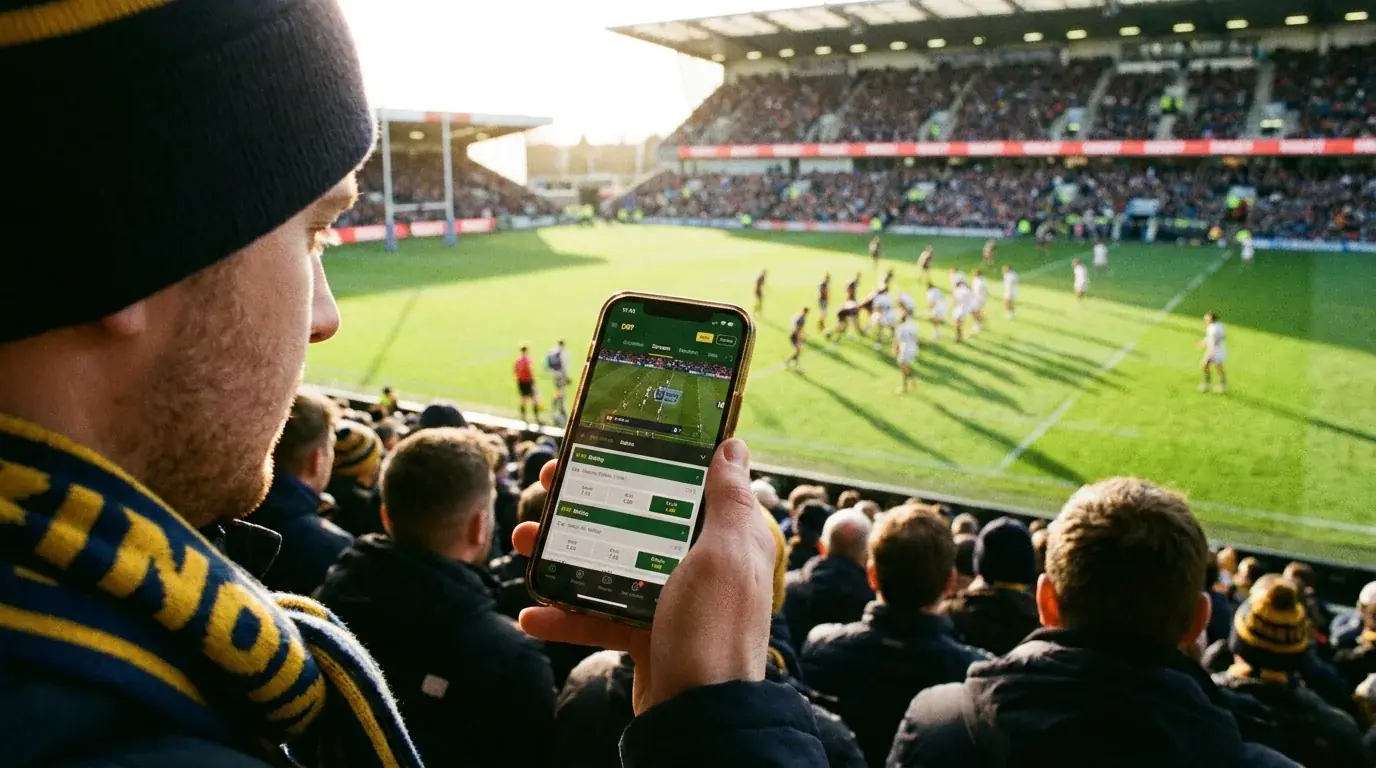
I avoid placing bets in the final 10 minutes of either half unless I have a very specific view. The closing minutes produce the most volatile price movements – desperate attacking, cynical penalties, sin bins, and injury time – and the odds during this period are driven more by algorithmic reaction to events than by fundamental analysis. The risk-reward tilts against you when the market is moving that fast. Instead, I take my positions earlier in the half when the data is clearer and the pricing is calmer, and I use the cash-out function to manage my exposure as the match enters its chaotic final stages.
What is the best time to place an in-play rugby bet?
The 5th to 15th minute window offers the best value as live pricing transitions from pre-match models to real-time data. The minutes immediately after a yellow card and the opening five minutes of the second half are also high-value entry points because tactical adjustments create odds discrepancies that take several minutes to correct.
How do sin bins affect live rugby betting odds?
A yellow card removes a player for 10 minutes and roughly doubles the rate at which the shorthanded team concedes tries. Live odds adjust immediately but often miscalibrate the impact based on the generic card event rather than the specific position of the carded player. Back-three cards have a larger defensive impact than front-row cards, but the live market typically treats them similarly.
Published by the Rugby Betting Sites team.