Rugby Prop Bets Explained: Player Performance Markets, Winning Margins and Niche Wagers
 Available in US

I once placed a bet on the number of conversions a specific fly-half would kick in a Premiership match. He was averaging 4.2 successful conversions per game over his previous eight starts, the line was set at 3.5, and I backed the over with confidence. He converted two. His team scored five tries, but the coach substituted him at the 55th minute and the replacement kicked the remaining three conversions. My analysis of the player’s kicking accuracy was sound; my failure to account for substitution timing made the bet a loser. That’s prop betting in a nutshell – the analytical challenge is deeper than it looks, and the edge often hides in variables the headline stat doesn’t capture.
What Prop Bets Are and Why Rugby Offers So Many
A proposition bet – prop bet – is any wager on an outcome that isn’t directly tied to the match result, handicap, or total points. In rugby, the category is enormous. Player performance props include try counts, tackle counts, carries, metres gained, kicks from hand, and lineout throws. Match props include first scoring method, winning margin bands, half-time/full-time result, total penalties, total cards, and total scrums. Tournament props cover top tryscorer, top points scorer, and wooden spoon recipient.
Rugby generates more diverse prop markets than most sports because the game’s structure creates measurable individual contributions across a wider range of activities. A centre’s tackle count, a winger’s metres carried, a hooker’s lineout accuracy – these are all quantifiable events that bookmakers can set lines on. The Premiership’s adoption of detailed performance tracking via Opta and other data providers has accelerated the growth of player props, giving bookmakers the historical data they need to price individual-level markets.

The margins on prop markets are substantially wider than on match-level markets. Where a Six Nations match-result overround sits at 3 to 5%, a player prop market on the same fixture can carry a margin of 15 to 25%. That margin reflects the higher uncertainty in individual-level outcomes and the lower volume of bets. Around 290 million online bets are placed monthly in the UK, but props represent a small fraction of that total – the markets are niche, and niche means wider pricing.
Winning Margin and First Scoring Method: Match-Level Props
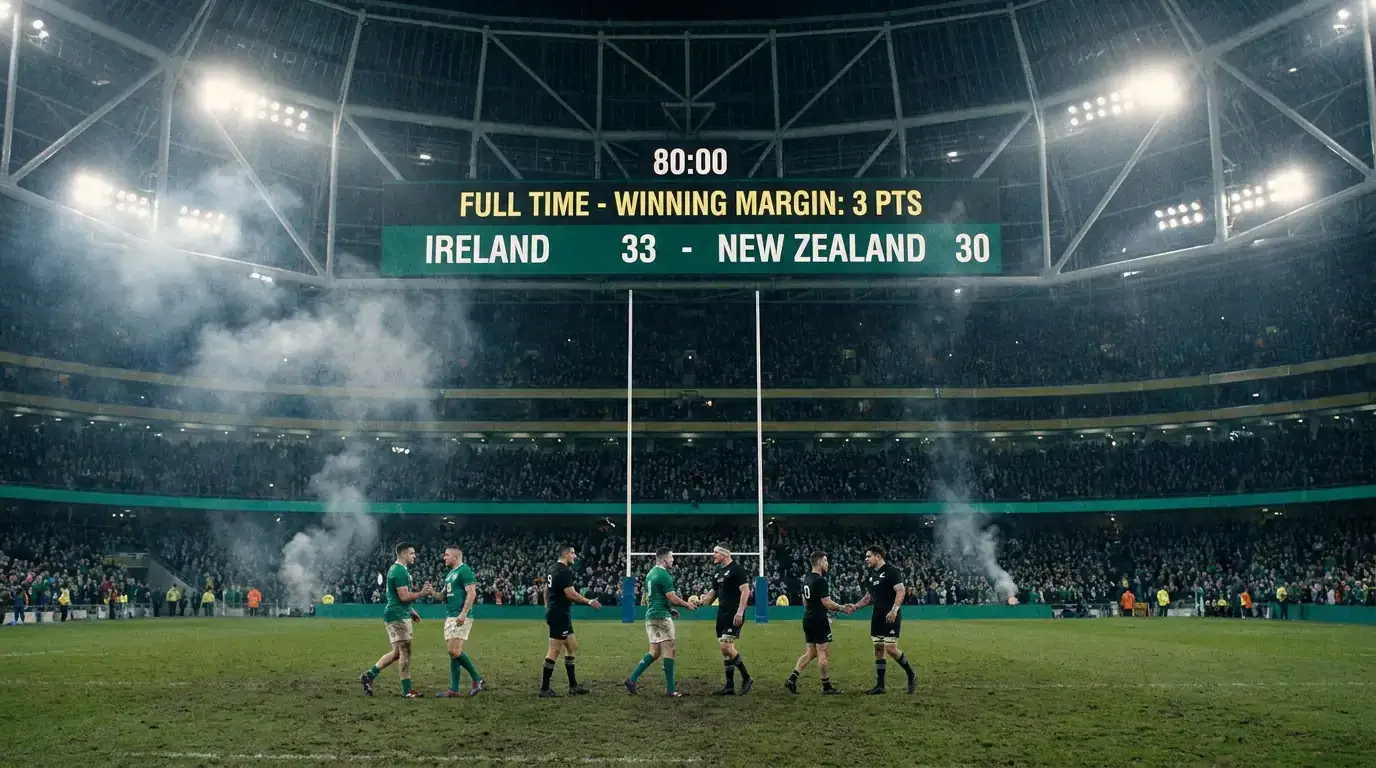
Winning margin bets divide the possible outcomes into bands – typically 1-5 points, 6-10, 11-15, 16-20, 21-30, 31+, and draw. The appeal is the higher odds compared to a straight match-result bet; the challenge is the precision required. I use winning-margin bets when my model produces a point-spread estimate with narrow confidence intervals. If I’m projecting a home win by 12 points with a standard deviation of 6, the 6-15 band captures a meaningful chunk of the probability distribution, and the odds on that band might offer better expected value than the match-result price at shorter odds.
First scoring method is a prop that rewards knowledge of team tendencies. A team with a dominant scrum that operates near the opposition try line in the opening minutes is more likely to produce a penalty goal or a penalty try as the first score. A team that plays high-tempo, wide rugby from the kick-off is more likely to produce a try as the first score. The odds on “first score: penalty” are typically 4.00 to 6.00, reflecting its lower frequency, but in specific matchups where both teams are defensively oriented and penalty-prone, the true probability is significantly higher than the implied odds suggest.

Total cards is a prop I’ve only recently started tracking seriously. The number of yellow and red cards in a match correlates with referee tendencies, the physicality of the fixture, and the rivalry intensity between the sides. Specific referees in the Premiership and Six Nations have measurably different card rates over their career spans, and that referee-specific data is available but rarely priced into the card total market with any precision.
Player Performance Props: Where Data Meets Opportunity
Over 70% of UK bets are placed from mobile devices, and the rise of bet builder products has made player performance props more accessible than ever. You can combine a tryscorer selection with a tackle count over and a penalty count under in a single bet. The correlation between these outcomes determines whether the combined price represents value or whether the bookmaker’s correlation adjustment has absorbed the edge.
My approach to player props starts with three metrics: minutes played, role consistency, and matchup quality. Minutes played is the most underrated variable – a back-row forward who averages 12 tackles per 80 minutes but gets substituted at 55 minutes in 40% of matches has a very different “over 10.5 tackles” probability than one who consistently plays the full match. The bookmaker’s line is set against the per-match average, which blends full-match and partial-match appearances without distinguishing between them. If I can predict whether a player will play 60, 70, or 80 minutes with reasonable accuracy, I have an informational advantage on every prop market tied to counting stats.

Role consistency matters because a player’s statistical output depends on how they’re used within the team structure. A winger who plays as a second receiver in one game plan produces different carry and tackle numbers than the same winger playing a traditional touchline role. Coaching changes, opposition analysis, and tactical adjustments between matches can shift a player’s role enough to invalidate historical averages. I check the previous two matches’ tactical setup for every player prop I consider, looking for role shifts that the per-season average would mask.

Matchup quality is the third input. A hooker’s lineout throw accuracy drops when facing a top-tier opposition lineout, and the “over/under successful lineout throws” market rarely adjusts for the specific opposition’s stealing ability. A centre’s metres carried inflate against weak defensive lines and compress against sides with elite rush defences. These matchup-specific adjustments are where the most consistent prop-bet value sits, because the bookmaker’s pricing model typically uses season-long averages rather than opponent-adjusted figures.
The key to profitable prop betting is selectivity. The wide margins mean you need a larger edge to break even, which means betting on fewer props but with higher confidence. I place player prop bets on roughly 8 to 10% of the opportunities I analyse – the rest don’t clear the threshold where my estimated edge exceeds the margin. If you’re new to prop markets, start by tracking predictions against outcomes without staking money, and only begin placing bets once your tracking system shows a consistent positive hit rate above the break-even point.
What are the most popular rugby prop bets?
Tryscorer markets – first, anytime, and last – are the most widely bet rugby props. Winning margin bands, first scoring method, total penalties, and half-time/full-time results are the most popular match-level props. Player performance props like tackle counts and carry metres are growing rapidly through bet builder products but still represent a small share of total volume.
Are prop bets good value compared to match-result betting?
Prop markets carry significantly wider margins – typically 15 to 25% overround compared to 3 to 5% on match results. This means you need a proportionally larger analytical edge to achieve positive expected value. Props can offer good value when you have specific knowledge or data that the bookmaker’s model doesn’t incorporate, such as substitution patterns, role changes, or matchup-specific adjustments.
Prepared by the Rugby Betting Sites editorial staff.