Responsible Gambling and Rugby Betting in the UK: Tools, Data and How to Stay in Control
 Available in US
I’ve spent 11 years tracking rugby odds, and in that time I’ve watched three people I know personally develop serious problems with gambling. Two were recreational bettors who escalated gradually – a tenner on the Saturday matches became a hundred, then became daily multiples across every sport available. The third was a sharp bettor with genuine analytical skill who couldn’t separate his process from his ego, chasing ever-larger positions to prove he was right. None of them set out to lose control. That’s the point. Responsible gambling isn’t a box-ticking exercise or a moralising lecture – it’s a set of practical tools and habits that protect you from a trajectory you won’t see coming until you’re already on it.
Who Bets on Sport in the UK: GSGB Participation Numbers
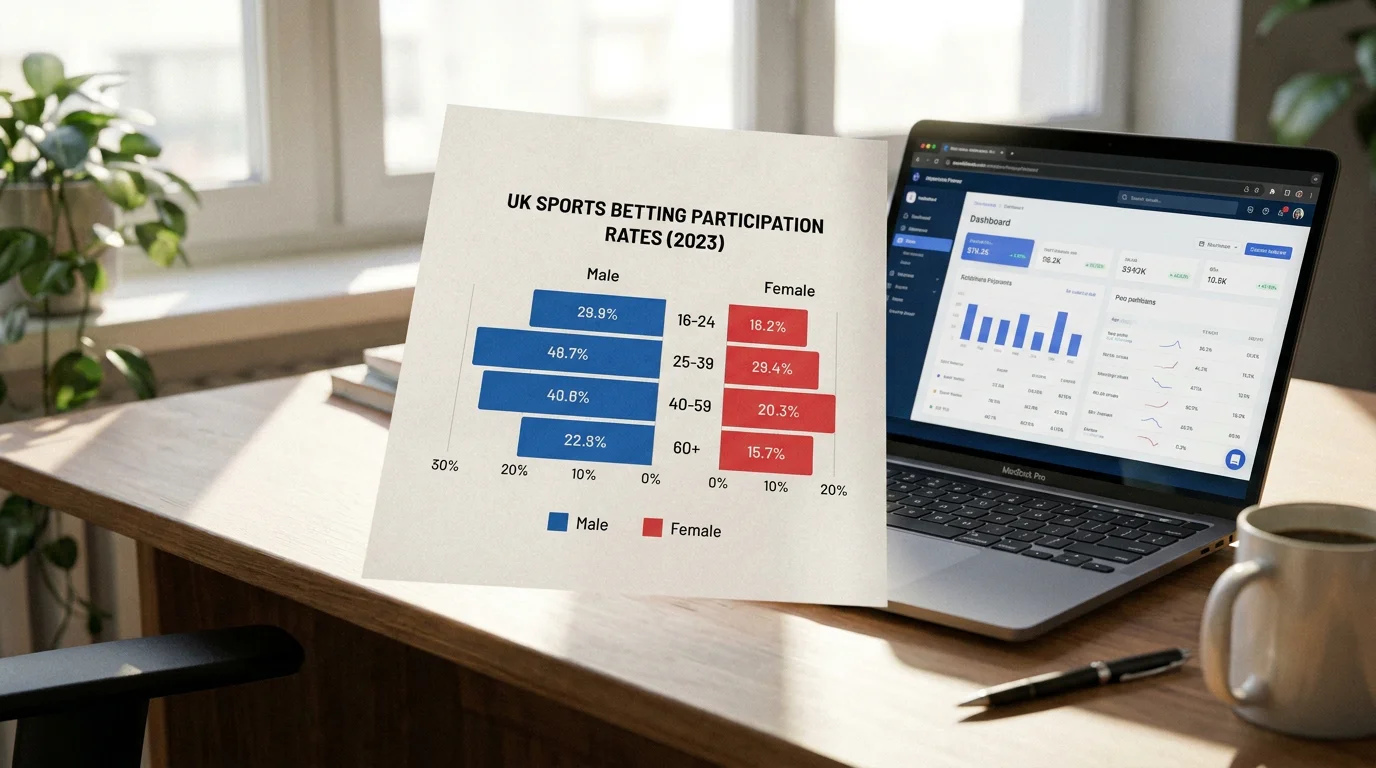
The Gambling Survey for Great Britain, the most comprehensive study of gambling behaviour in the country, found that 10% of the UK adult population participates in online sports betting. The gender split is stark: 16% of men versus 4% of women. Andrew Rhodes, the former CEO of the Gambling Commission, described the coming period as more consequential for gambling regulation than anything in recent memory – and the data from the GSGB is a major reason why.
The number of active online betting accounts grew by 10% year-on-year to 12.7 million in the first quarter of 2025/26. That growth means more people are being introduced to sports betting for the first time, and the onboarding experience – including the responsible gambling tools presented during account setup – has never been more important. The Gambling Commission’s quarterly data isn’t just a regulatory scorecard; it’s a picture of how the UK’s relationship with betting is evolving, and the trajectory points toward an audience that’s larger, younger, and more mobile-centric than at any previous point.
Rugby betting sits within this broader context. The sport’s calendar concentrates betting activity into intense windows – Six Nations in February-March, autumn internationals in November, Premiership and Super League from September to June – and those peaks create periods of heightened engagement where the temptation to overextend is strongest. Knowing that the risk isn’t constant but cyclical is itself a useful piece of self-awareness.

Deposit Limits, Reality Checks, Self-Exclusion and GamStop
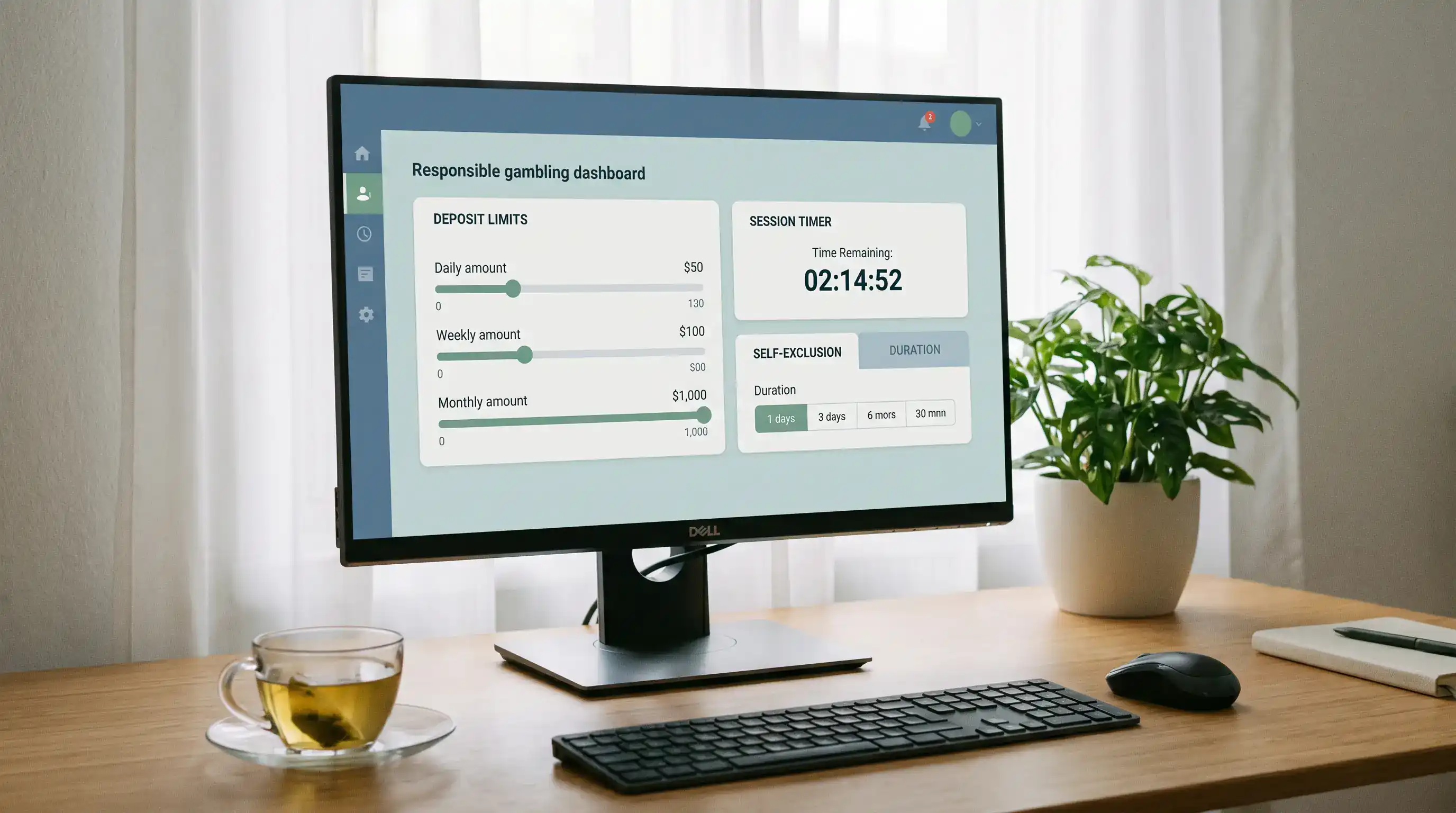
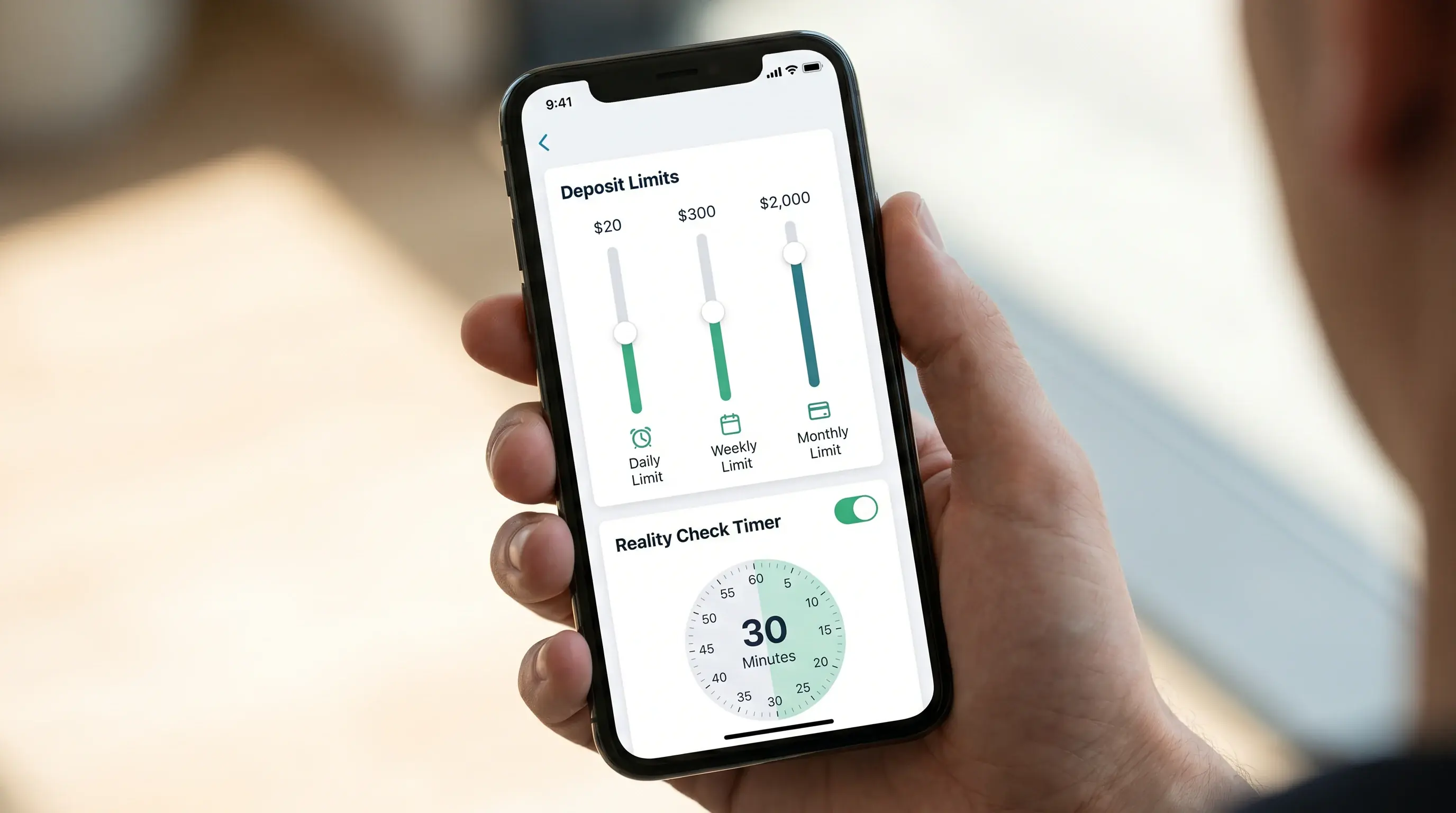
Since October 2025, every UKGC-licensed operator has been required to offer customers the option of setting a financial limit before their first deposit. That obligation isn’t optional for the operator, and the tool itself is straightforward: you choose a daily, weekly, or monthly ceiling on your deposits, and the system enforces it automatically. You can lower the limit at any time with immediate effect. Raising it requires a cooling-off period of at least 24 hours – a deliberate friction point designed to prevent impulsive increases.
Reality checks are time-based alerts that remind you how long you’ve been on the site or app. You can set them at intervals of your choosing – 30 minutes, one hour, two hours. They pop up as a notification that shows your session duration and your net position (how much you’ve won or lost). I use a one-hour reality check on every operator I use, not because I’m at risk of losing control, but because the notification forces a moment of conscious decision-making that breaks the autopilot loop of placing bet after bet.
Self-exclusion lets you block yourself from a specific operator for a set period, typically six months to five years. During the exclusion period, the operator must close your account and refuse to accept any bets from you. You won’t receive marketing communications, and any attempt to open a new account will be blocked if the operator’s identity verification catches it.

GamStop is the UK’s national self-exclusion scheme. A single GamStop registration blocks you from all UKGC-licensed online gambling operators simultaneously. The minimum exclusion period is six months, with options for one year or five years. It’s a serious step, and it’s designed for people who recognise that their gambling has become harmful and want a comprehensive barrier rather than a site-by-site approach. If you’re considering GamStop, the decision itself is a signal worth listening to.
What UKGC-Licensed Bookmakers Are Required to Do
The total gross gambling yield of the UK industry reached 15.63 billion pounds in the year to March 2024, a figure that makes the UK one of the most significant regulated gambling markets in the world. That scale means the regulatory obligations on operators are substantial and, in many cases, more demanding than bettors realise.
Every UKGC-licensed operator must make responsible gambling tools – deposit limits, reality checks, time-outs, self-exclusion – accessible and easy to use. They must monitor customer behaviour for signs of harm, including sudden increases in deposit frequency, chasing losses, and prolonged session times. When indicators are triggered, the operator is required to interact with the customer, which can range from a pop-up reminder to a mandatory affordability check.
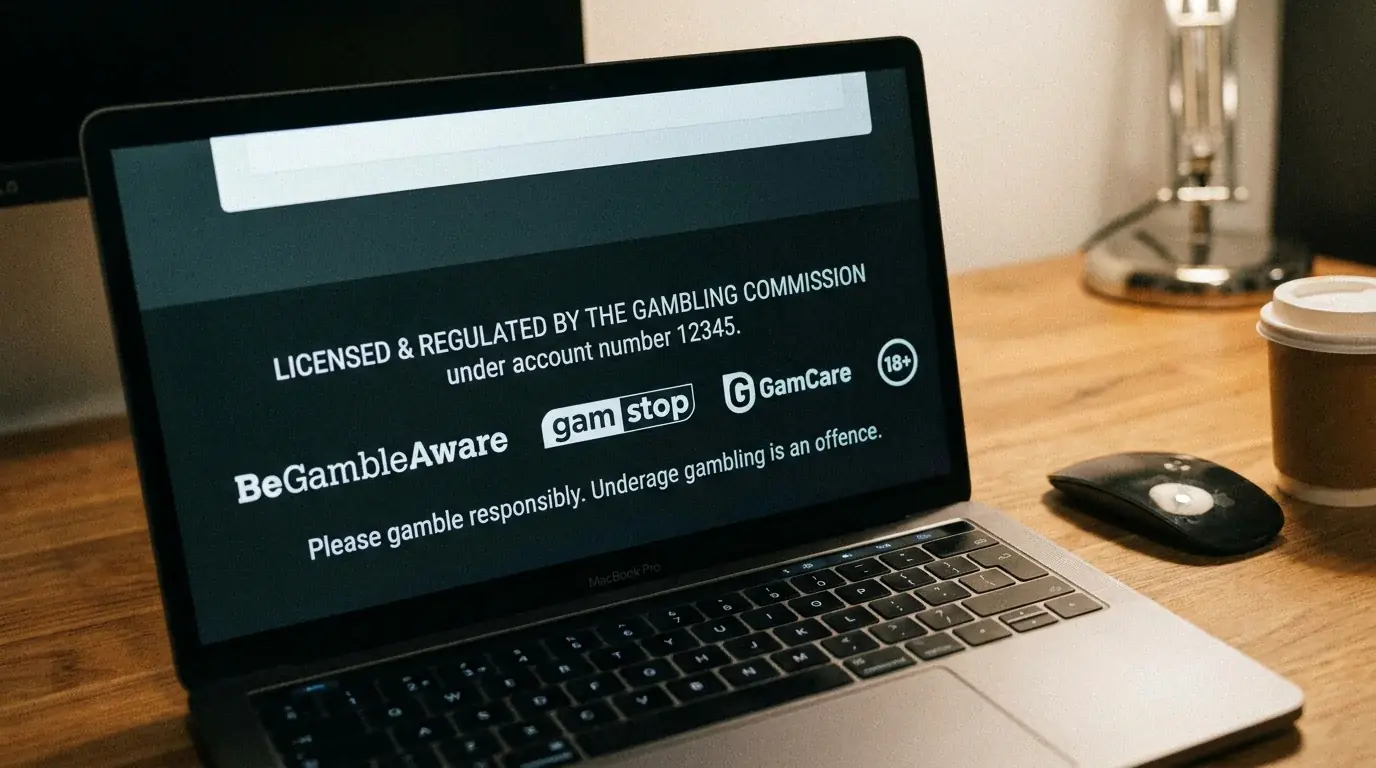
Operators are also required to ensure that marketing and promotions do not target vulnerable individuals or encourage excessive gambling. The cross-selling of bonus offers between products – for example, using a sports betting promotion to funnel customers into casino games – has been restricted since April 2025. These obligations are enforced through the Gambling Commission’s licence conditions, and operators who fail to meet them face financial penalties, licence reviews, or suspension.
For bettors, the practical takeaway is that the UKGC licence isn’t just a badge on the footer of a website. It represents a set of enforceable commitments to your protection as a customer. If an operator isn’t meeting those commitments – if you can’t find the responsible gambling tools, if the deposit limit process is buried, if marketing feels aggressive after you’ve self-excluded – report it to the Gambling Commission directly. The regulation only works if customers hold operators accountable.
How do I set a deposit limit on a rugby betting site?
Log into your account, navigate to the responsible gambling or account settings section, and select the deposit limit option. You can set a daily, weekly, or monthly ceiling. The limit takes effect immediately when reduced and requires a minimum 24-hour cooling-off period when increased. Since October 2025, all UKGC-licensed operators must offer this option before your first deposit.
What is GamStop and how does it work for rugby bettors?
GamStop is the UK’s national online self-exclusion scheme. A single registration blocks your access to all UKGC-licensed online gambling operators for a minimum of six months, with one-year and five-year options available. During the exclusion period, you cannot open new accounts or place bets at any participating operator.
Written by the editors at Rugby Betting Sites.