Women’s Rugby Betting Markets: Growing Coverage After the 2025 World Cup Breakthrough
 Available in US
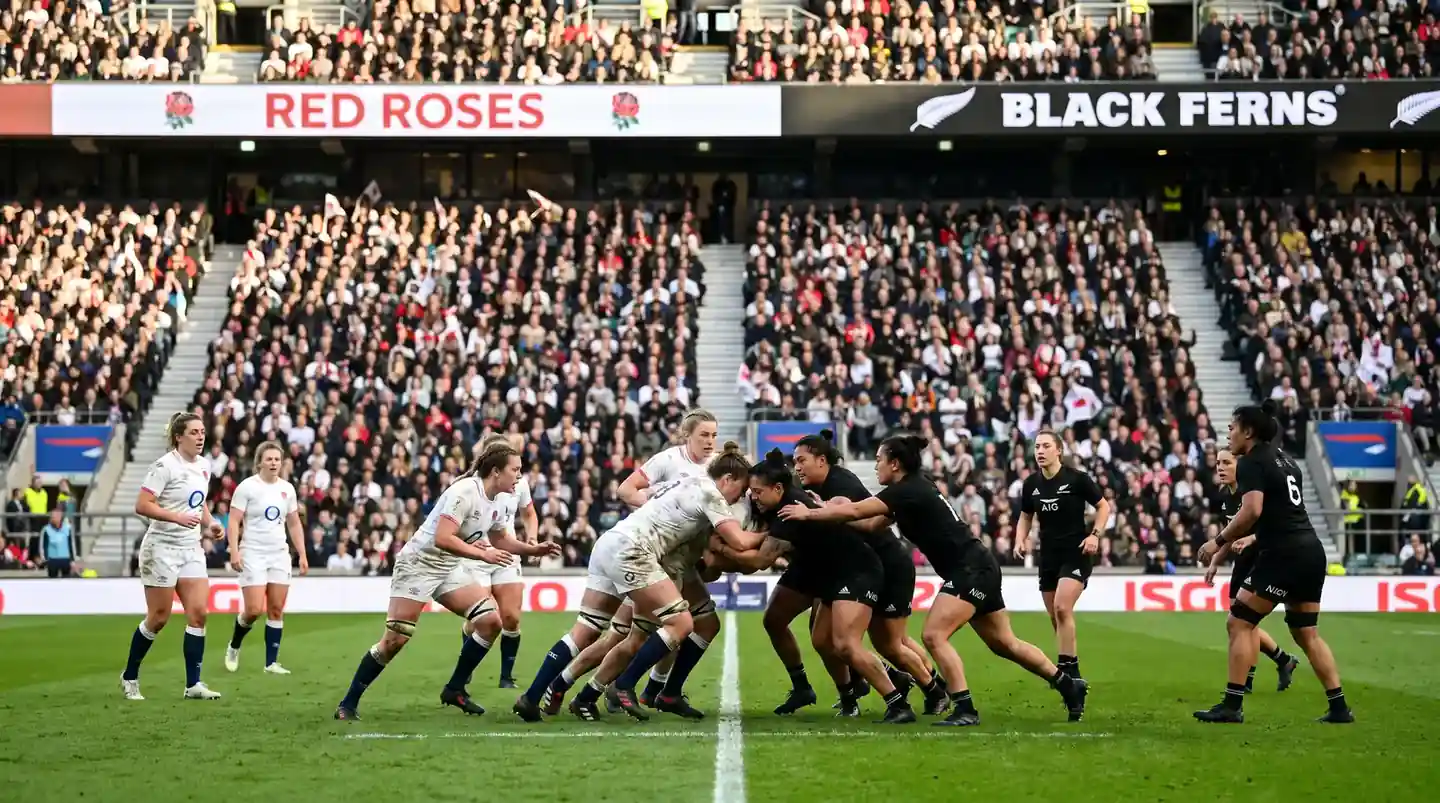
Until 2023, I could count the number of women’s rugby bets I’d placed on one hand – not because I lacked interest, but because the markets barely existed. A match-result option and occasionally a handicap line on a Six Nations fixture was the extent of it. The 2025 Women’s Rugby World Cup changed the landscape in a way that feels permanent. Gessica Howarth of Sphera Partners described it as an unprecedented platform for domestic women’s rugby, built on record-breaking attendances, mass viewership, and genuine national pride. She’s right, and the betting markets are finally starting to reflect the sport’s growing profile.
How the 2025 Women’s World Cup Expanded Betting Coverage
The tournament was a catalyst. Viewership numbers surged, stadium attendance broke records, and the media coverage reached audiences who had never watched women’s rugby before. The Six Nations was streamed nearly 15 million times on ITVX across 10 matches in 2026, and while that figure covers both the men’s and women’s tournaments, the women’s audience share grew faster than any other segment.
For bookmakers, audience growth translates directly into market viability. A betting market needs volume to function – without enough money on both sides, the bookmaker can’t manage their risk and the margins have to be wider to compensate. The World Cup brought volume: more people watching meant more people betting, which justified deeper market coverage, which attracted more betting, creating a virtuous cycle that has persisted beyond the tournament.

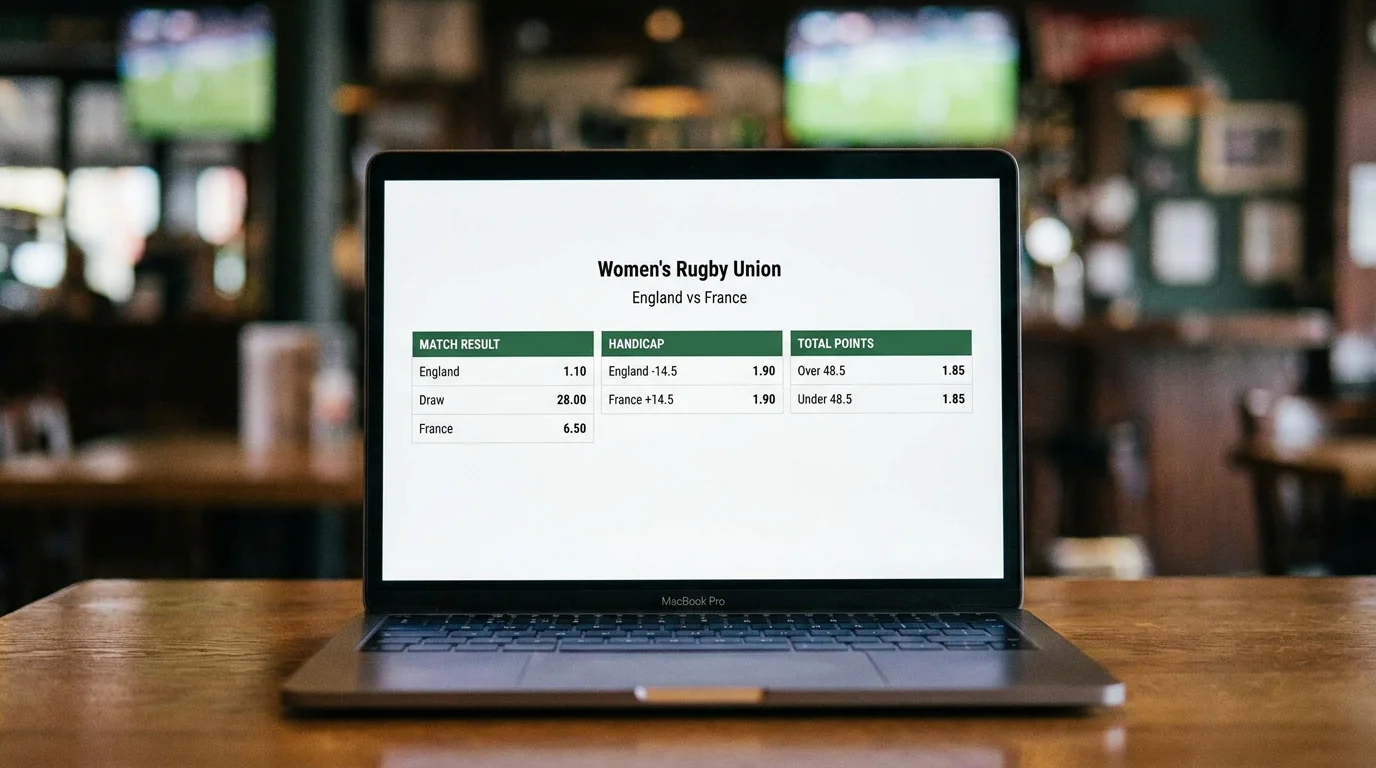
Before the World Cup, a Women’s Six Nations match might have a match-result market and nothing else. During the 2026 Women’s Six Nations, I found match result, handicap, total points, and first tryscorer markets at three operators on the headline fixtures. That’s still thin compared to the men’s game – a men’s Six Nations match offers 80 to 100 markets at the strongest operators – but the trajectory is clear. Each major women’s tournament expands the baseline, and the markets don’t fully contract afterward.

The pricing on women’s rugby markets is wider than on men’s. Match-result margins run at 7 to 10% compared to 3 to 5% on men’s internationals, reflecting the lower volume and the bookmakers’ reduced confidence in their probability models. That width cuts both ways: the margins are a headwind, but the inefficiency is an opportunity for anyone with genuine knowledge of the women’s game who can assess team quality more accurately than a bookmaker operating with limited data.
Where and What You Can Bet on in Women’s Rugby
The Women’s Six Nations is the most consistently available market. All five rounds generate match-result and handicap odds at most major operators, with total points appearing on the higher-profile fixtures like England versus France or England versus New Zealand in standalone test matches. The Premiership Women’s Rugby (PWR) domestic league has started to attract coverage too, though it’s limited to match result on the bigger fixtures and absent entirely for many mid-season rounds.
Women’s Rugby World Cup qualifying matches and the tournament itself represent the peak of market availability. During the 2025 edition, I found full market coverage – match result, handicap, total points, tryscorer, winning margin – on every knockout-stage match. Pool matches involving Tier 1 nations had similar depth, while Tier 2 matchups were limited to match result and handicap.
International test windows outside the Six Nations and World Cup cycles are hit-and-miss. Autumn internationals involving home nations generate markets at most operators. Summer tours to the southern hemisphere are covered less consistently, and I’ve found that checking markets 48 hours before kick-off rather than a week out gives a better picture of what’s actually available, because some operators add women’s rugby markets late in the pricing cycle rather than opening them alongside the men’s fixtures.
Competitive Balance and What It Means for Odds Accuracy
Dr Ellie Nesbitt of Nottingham Trent University flagged a concern in the 2025 Rugby Finance Report that matters directly for bettors: competitive balance in the PWR is significantly lower than in the men’s Premiership. The gap between the top two or three teams and the rest of the field is wide enough to produce lopsided results that distort the historical data models use to price future matches.
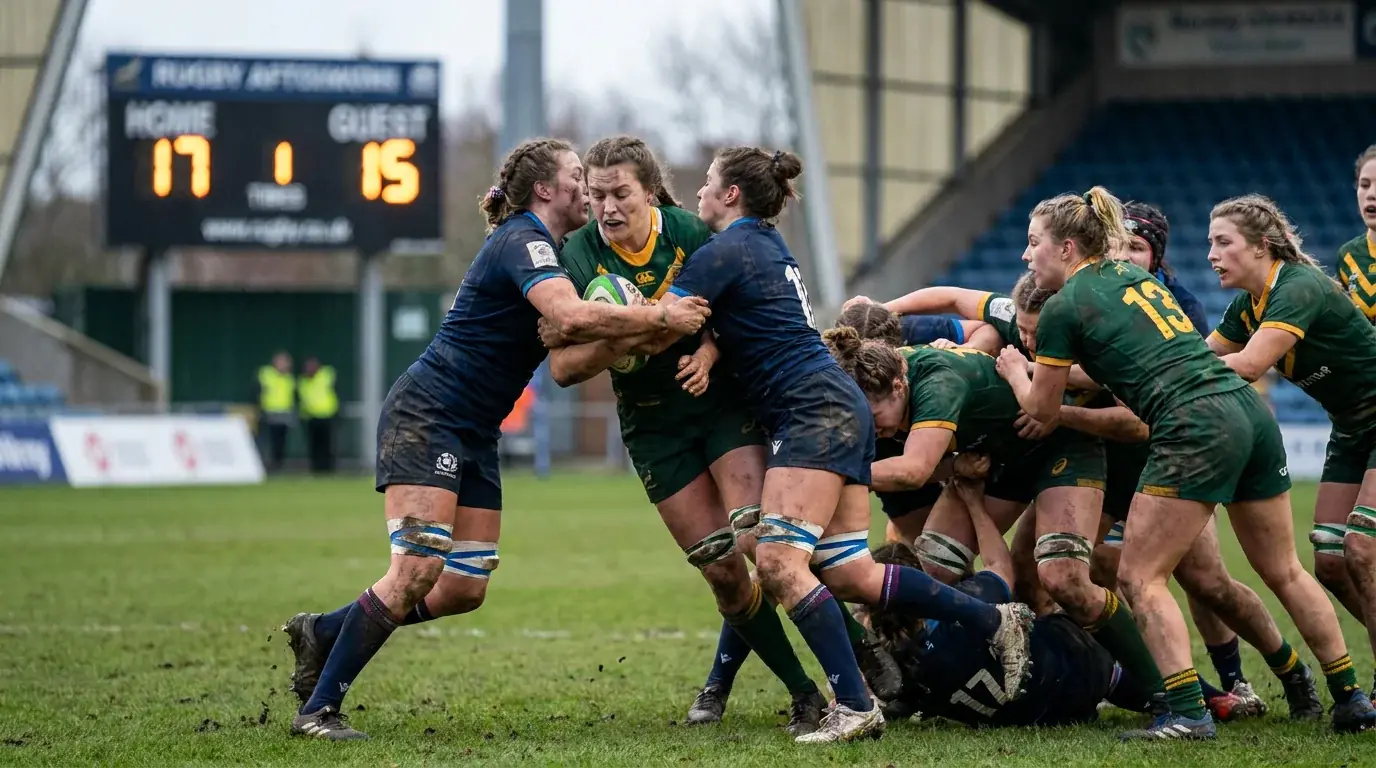
In the men’s Premiership, five different winners in five seasons reflects a tight competitive band where any top-six side can beat any other on a given weekend. The PWR doesn’t have that parity. The dominant teams win by margins that rarely appear in men’s rugby, and the handicap lines reflect that – lines of -25.5 or -30.5 on domestic fixtures are not unusual. Those wide handicap markets carry different dynamics: the variance is higher because a single try either side of the line swings the result, and the bookmakers have less historical data to set the line accurately.

For bettors, low competitive balance creates a specific kind of value. The matches between the top three or four teams are where the pricing is tightest and most efficient, because the bookmakers have the most data and the public interest is highest. The value sits in the fixtures between mid-table and lower-table sides, where the bookmakers’ models are least confident and the handicap lines are most likely to be off. Building a women’s rugby betting model requires different inputs than a men’s model: squad depth matters more because rosters are smaller, the impact of individual players is greater because the talent pool is thinner, and scheduling conflicts with club commitments can produce team-news surprises that the market doesn’t anticipate.
The women’s game is growing, and the betting product is growing with it. The Six Nations window is the best time to engage with women’s rugby markets, because the operator investment in coverage peaks during the tournament and the pricing – while still wider than men’s – is at its most competitive. The gap between men’s and women’s market depth will narrow further with each major tournament cycle, and the bettors who build their knowledge of the women’s game now will be best positioned when the markets catch up.
Can I bet on women’s Six Nations matches?
Yes. All major UKGC-licensed bookmakers now offer match-result and handicap markets on Women’s Six Nations fixtures. Higher-profile matches involving England, France, and New Zealand also attract total points and first tryscorer markets. Coverage has expanded significantly since the 2025 Women’s Rugby World Cup.
How do women’s rugby odds compare to men’s in terms of market depth?
Women’s rugby markets remain significantly thinner than men’s. A headline Women’s Six Nations match might offer 10 to 15 markets compared to 80 to 100 for the equivalent men’s fixture. Match-result margins on women’s matches run at 7 to 10% versus 3 to 5% for men’s, reflecting lower betting volume and less historical data.
Prepared by the Rugby Betting Sites editorial staff.